Bitcoin and Ethereum: Historic Decoupling Shakes Investor Strategy
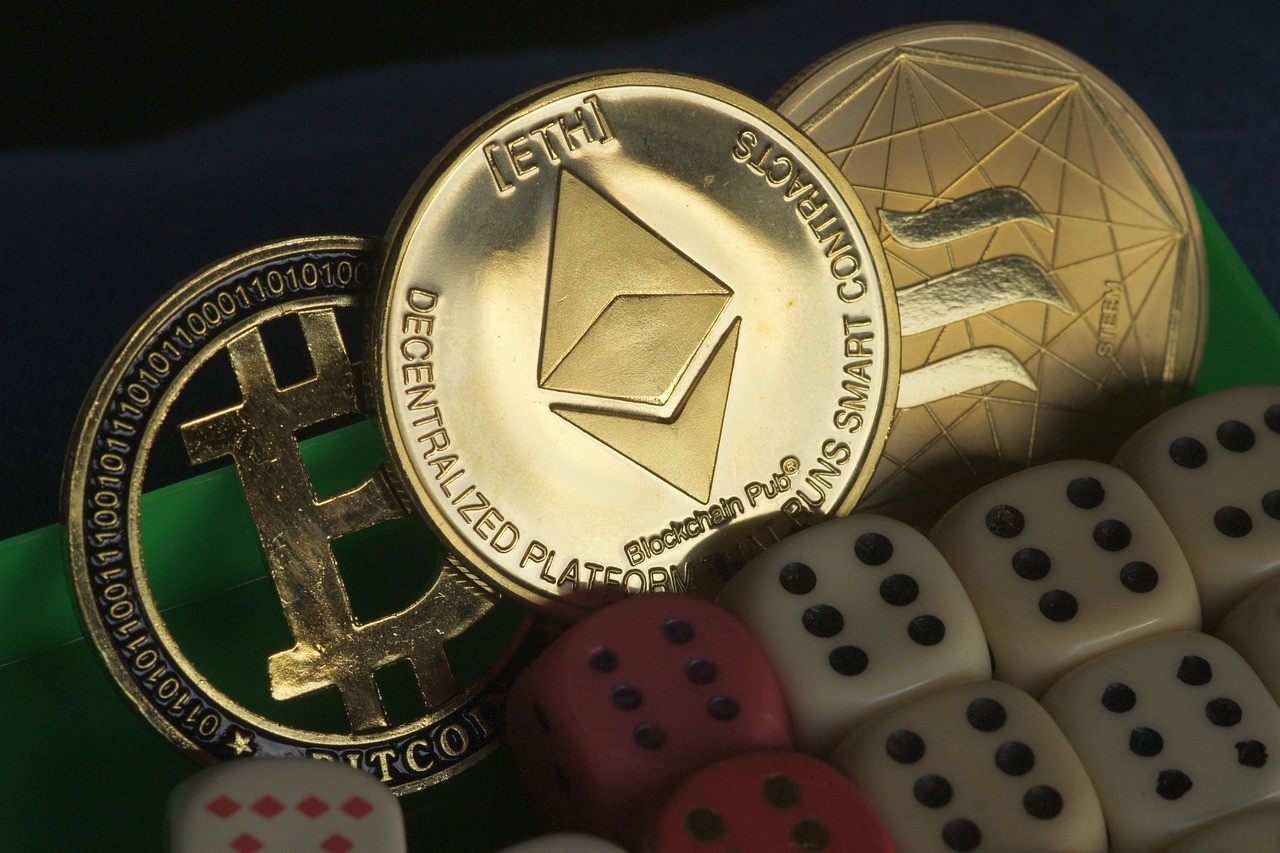
For years, Bitcoin and Ethereum have danced to a similar rhythm—rising and falling in near-lockstep. But in 2025, that rhythm changed. A historic decoupling between the two largest cryptocurrencies has sparked a major rethink in investor strategies. No longer moving in tandem, Bitcoin surged while Ethereum plateaued, challenging the long-standing assumption that their paths were inseparable.
This separation is more than just a statistical anomaly—it could mark a turning point in how digital assets are valued, traded, and diversified. As traditional finance eyes crypto with growing interest, the decoupling of BTC and ETH introduces new complexities into a maturing market.
Let’s explore how this divergence is reshaping the landscape, what’s behind it, and what it means for crypto investors going forward.
Understanding the Bitcoin-Ethereum Relationship
A History of Correlated Movements
Bitcoin (BTC) and Ethereum (ETH) have traditionally maintained a strong positive correlation, often between 0.8 and 0.9 on a scale where 1 denotes perfect correlation. This meant that when BTC moved, ETH usually followed, albeit with sharper volatility due to its smaller market cap.
Bitcoin: The original cryptocurrency, seen as digital gold.
Ethereum: The smart contract giant, powering decentralized apps (dApps) and DeFi.
Both assets benefited from macro crypto sentiment—bull runs, regulatory news, and tech adoption pushed them upward in tandem.
Why the Correlation Held—Until Now
Several factors historically contributed to this alignment:
Retail-driven market behavior
Shared macroeconomic drivers (e.g., interest rates, inflation)
Similar investor profiles and speculative narratives
However, as crypto matures, the fundamental differences between the two are coming into sharper focus.
The Decoupling Event of 2025
Bitcoin’s Bullish Run
In Q1 2025, Bitcoin soared past $85,000—a new all-time high—buoyed by:
Institutional inflows from spot Bitcoin ETFs approved globally
Halving event anticipation, cutting BTC supply
Geopolitical instability, strengthening its store-of-value appeal
Major Wall Street names like BlackRock and Fidelity doubled down on BTC, framing it as digital gold for turbulent times.
Ethereum Stalls Despite Tech Gains
While Ethereum launched its long-awaited Pectra upgrade—enhancing scalability and enabling restaking features—it failed to ignite a similar rally. ETH hovered between $3,000 and $3,500, missing the momentum wave.
Why?
Lack of institutional interest compared to BTC
Complexity of Ethereum’s narrative: DeFi, NFTs, DAOs, Layer 2s
Regulatory uncertainty around staking and classification as a security
The divergence became statistically clear: BTC’s 90-day correlation with ETH dropped below 0.3—the lowest in over 7 years.
What’s Driving the Divergence?
Differing Investment Narratives
Bitcoin: Simple, scarce, sound money. It’s easier for institutional and retail investors alike to grasp.
Ethereum: Innovative but complex. It’s a tech platform with competing Layer 1s and regulatory headwinds.
Regulatory Pressures
Bitcoin has mostly escaped classification as a security.
Ethereum, especially with staking features, remains in the SEC’s crosshairs.
This divergence in legal clarity adds risk to ETH’s profile.
Ecosystem Maturity
Bitcoin is consolidating its identity.
Ethereum’s ecosystem is growing rapidly—but also splintering into L2s and rollups, which dilute attention and capital.
How Investors Are Responding
Strategic Reallocation
Many portfolios are reducing their ETH holdings in favor of BTC, particularly after spot ETF approvals. Key shifts include:
Crypto hedge funds increasing BTC weighting by 15–20%
Retail investors exiting ETH for simpler narratives
Rise of Bitcoin Maximalism
BTC’s dominance has surged above 52% of total crypto market cap—the highest since 2021. Maximalist sentiment is rising again, proclaiming Bitcoin as the only real crypto asset worth holding.
The Bigger Picture: Is This Decoupling Permanent?
Short-Term vs Long-Term
While the current divergence is driven by external catalysts, long-term correlation may return—especially if ETH achieves greater institutional trust or regulatory clarity.
But many analysts believe the decoupling is a sign of crypto market maturity—each asset now responding to its own fundamentals rather than the broader “crypto” category.
Implications for the Future
Diversification will matter more: BTC and ETH must be evaluated separately.
Narrative-driven investing will grow: Simpler narratives (like Bitcoin’s) may continue to outperform complex ecosystems.
Data-focused strategies will replace hype cycles: Correlation trading, pair trades, and asymmetric bets will become standard.
Conclusion: A New Era in Crypto Investing
The historic decoupling of Bitcoin and Ethereum has marked the end of an era—and the start of a more nuanced phase of crypto investing. Where investors once treated BTC and ETH as a package deal, they must now analyze each asset on its own merits, risks, and growth trajectories.