Bitcoin Dips Below $82K, but Key Metrics Indicate it Might be Undervalued

Bitcoin’s price took a notable hit last week, sliding from $87,241 down to $81,331 between March 28 and March 31, effectively erasing gains accumulated over the previous two-and-a-half weeks. This 6.8% drop triggered the liquidation of roughly $230 million worth of bullish BTC futures positions and coincided with a broader downturn in the U.S. stock market, notably with the S&P 500 futures hitting their lowest level since mid-March.
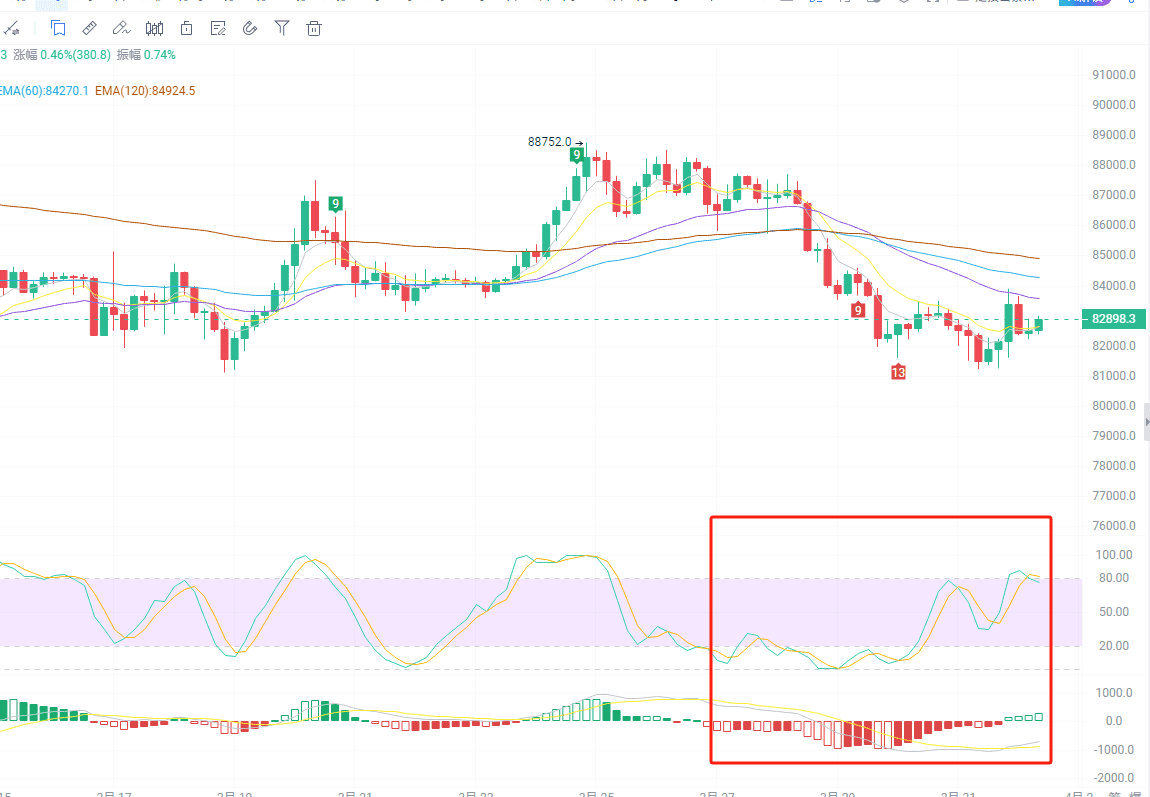
The correction intensified traders’ concerns surrounding the ongoing global trade tensions, especially following the recent announcement of a 25% U.S. tariff on imported vehicles. Consequently, major financial firms swiftly downgraded their year-end forecasts for the S&P 500. Goldman Sachs cut their prediction from 6,200 points to 5,700, and Barclays also lowered its expectation from 6,600 to 5,900, signaling heightened caution in equity markets.
Investors fleeing to safer havens pushed gold prices to an unprecedented high, surpassing $3,100 per ounce on March 31. Meanwhile, the U.S. dollar softened against global currencies, with the Dollar Index (DXY) declining from 107.60 in February to 104.10, suggesting market apprehension toward traditional financial instruments.
Despite this bearish backdrop, several vital Bitcoin indicators suggest that the leading cryptocurrency could actually be undervalued at its current price level around $84,599.
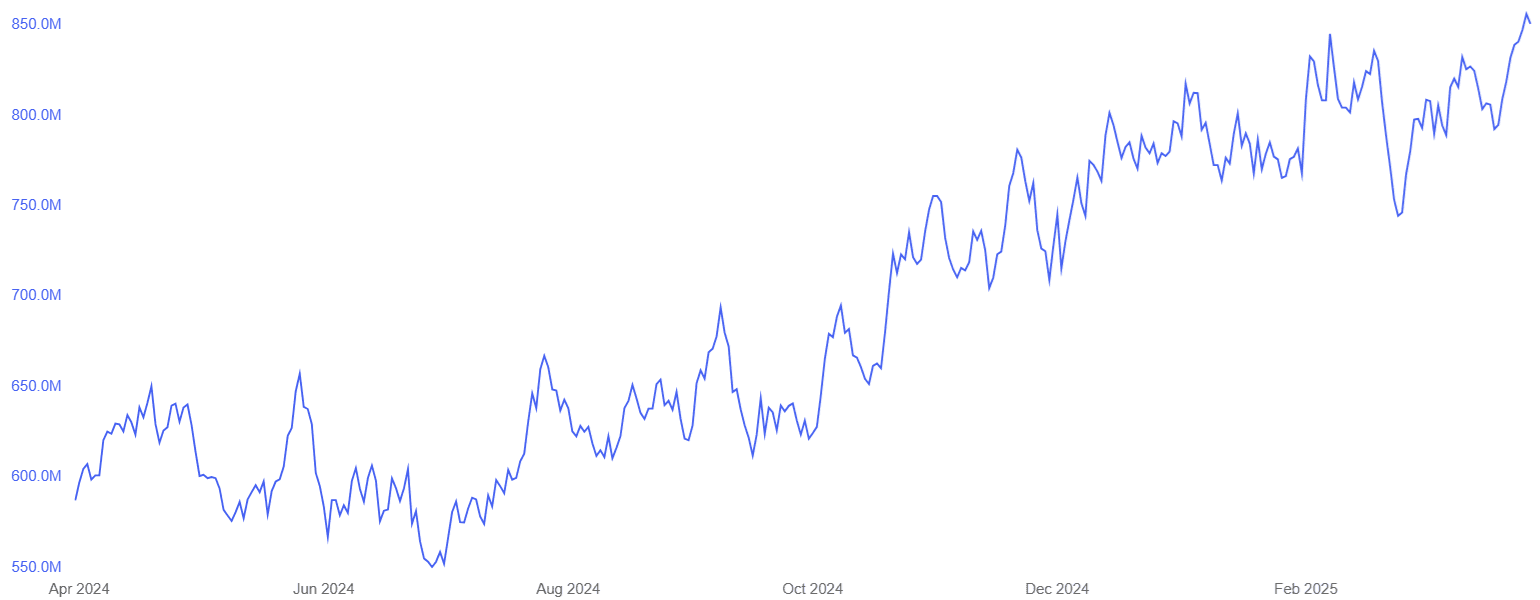
First and foremost, Bitcoin's mining hashrate—indicating network security and miners’ confidence—reached a record-breaking high. On March 28, the seven-day average mining hashrate peaked at 856.2 million terahashes per second (TH/s), significantly above February's figure of 798.8 million TH/s. The increase highlights miners’ continued investment and confidence in the network’s long-term profitability and stability.
Additionally, recent blockchain data from Glassnode confirms there's no panic selling among miners. Transfers from miners to exchanges remained stable, suggesting that large-scale holders and miners anticipate price recovery or growth rather than further downturns.
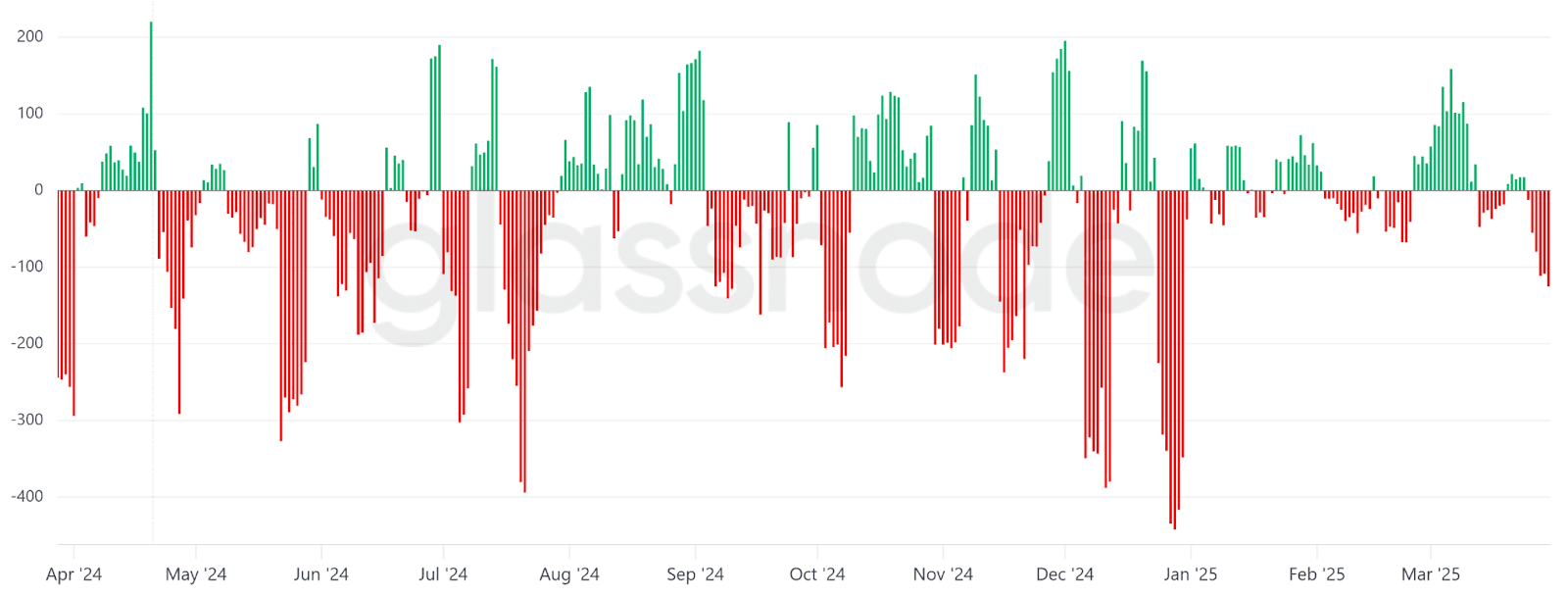
Glassnode’s data showing stable miner flows
Further boosting market sentiment, prominent Bitcoin mining company MARA Holdings recently filed a prospectus to raise up to $2 billion through stock offerings. According to the filing on March 28, funds will be used to boost their Bitcoin reserves and other corporate objectives. This follows a similar strategic pivot from GameStop, which on March 26 filed for a $1.3 billion convertible debt offering while announcing potential acquisitions of Bitcoin and stablecoins.
These developments, combined with Bitcoin’s positive six-month performance (+36%) compared to a 3.5% drop in the S&P 500, underscore the asset's potential strength amid broader market volatility.
With indicators showing persistent investor confidence and institutional interest, Bitcoin’s recent dip may indeed represent a strategic entry point rather than a bearish warning.