Bitcoin Price Now Closely Tied to Traditional Markets. Here's Why
Just a few years ago, Bitcoin was seen as the rebel of the financial world — volatile, unpredictable, and totally disconnected from Wall Street. But things have changed. In 2024, Bitcoin’s price no longer lives in a world of its own. Instead, it's dancing in sync with traditional financial markets like the S&P 500 and Nasdaq.
This alignment raises a big question for crypto investors: why is Bitcoin behaving like a traditional asset, and what does it mean for its future as a “decentralized alternative”? Let’s break it down through data, historical context, and what experts are saying.
A Brief History: Bitcoin’s Independent Beginnings
When Bitcoin was launched in 2009, it was marketed as a hedge against traditional systems — a reaction to the global financial crisis.
It wasn’t regulated.
It wasn’t tied to any central bank.
It didn’t follow global stock markets.
For nearly a decade, it behaved accordingly — crashing and soaring independently of Wall Street’s mood swings. But fast forward to 2022-2024, and the lines have blurred.
Correlation with Traditional Markets: The Data Tells the Story
Bitcoin and S&P 500: The 0.6 Correlation Era
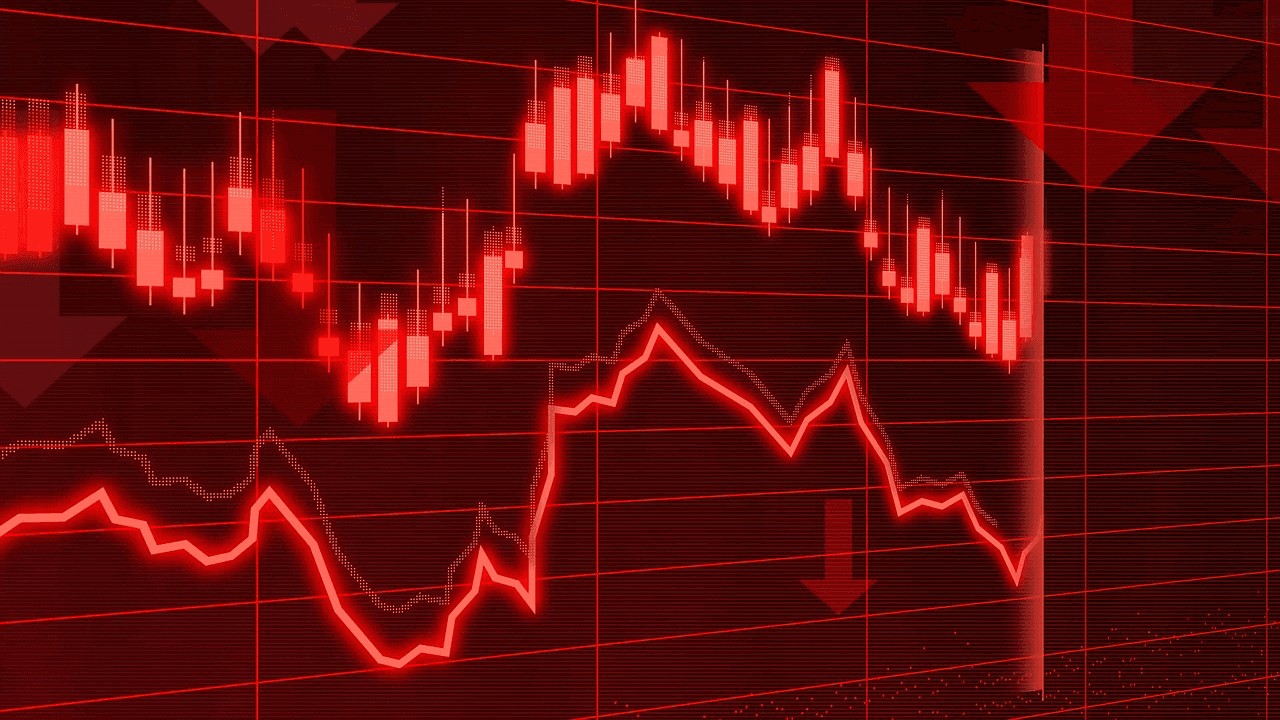
According to data from Arcane Research and Bloomberg, Bitcoin’s correlation with the S&P 500 reached a record 0.6 in late 2022. In the financial world, a correlation of 1.0 means two assets move perfectly in sync, while 0 means they move independently.
A 0.6 correlation is significant — especially for a digital asset that was once considered an outlier.
Nasdaq and Bitcoin have shown even stronger correlations during tech-sector downturns.
What Triggered the Shift?
Several major developments have pulled Bitcoin closer to the traditional markets:
Institutional Adoption: Hedge funds, family offices, and even pension funds have entered the crypto space.
Crypto ETFs & Public Listings: Bitcoin ETFs and public companies like Coinbase have connected crypto to stock exchanges.
Macroeconomic Factors: Inflation data, Fed interest rate hikes, and recession fears now impact Bitcoin just like any traditional asset.
Key Reasons Behind the Convergence
1. Institutional Money = Traditional Behavior
When BlackRock and Fidelity enter the game, they bring Wall Street logic with them. These institutions trade Bitcoin not as a revolutionary currency, but as a risk-on asset — similar to tech stocks.
They buy during risk appetite phases.
They sell when macroeconomic fear rises.
Their strategies reflect classic portfolio theory, not crypto ideology.
2. Market Maturity and Regulatory Clarity
As governments develop clearer crypto regulations, Bitcoin’s legitimacy increases. But with that legitimacy comes greater integration into the broader financial system.
More regulation = less wild west, more Wall Street.
Bitcoin becomes sensitive to regulatory updates, SEC decisions, and central bank commentary.
3. Tech-Sector Overlap
Bitcoin and tech stocks now attract similar investor profiles:
Younger investors
High-risk tolerance
Focus on digital disruption
When the tech sector struggles, Bitcoin often follows suit.
Investor Sentiment & Real-World Impact
During the 2022 market crash, Bitcoin fell more than 65% — closely mirroring the drop in growth tech stocks. In fact, Bitcoin’s price drops during earnings season or Fed announcements now reflect the behavior of high-volatility equities.
This signals a critical shift:
Bitcoin is now seen less as “digital gold” and more as “digital Nasdaq.”
Should Crypto Investors Be Concerned?
The Risks
Bitcoin may no longer be a reliable hedge against economic turmoil.
Traditional market volatility now directly impacts your crypto portfolio.
The idea of “decentralization as insulation” is fading.
The Silver Lining
Greater legitimacy attracts long-term investors.
Improved infrastructure means better liquidity and tools.
Correlation may offer predictability for traders using technical and macroeconomic analysis.
What Lies Ahead: Decoupling or Deeper Integration?
Experts are divided:
Some believe Bitcoin will decouple again, especially if inflation spikes or geopolitical tensions rise — reviving its use as a hedge.
Others argue this correlation is here to stay, especially as more institutions treat Bitcoin like any other speculative asset.
A report by Galaxy Digital predicts that as Bitcoin’s role in diversified portfolios grows, its price action will continue to reflect macroeconomic trends, just like traditional markets.
Conclusion: The New Face of Bitcoin Investing
Bitcoin is no longer the outsider it once was. Its price swings are now closely tied to the same forces that move the stock market — inflation, interest rates, and global investor sentiment.
For some, this is a loss of identity. For others, it’s a sign of maturation. Either way, one thing is clear: if you’re investing in Bitcoin, you can’t ignore Wall Street anymore.