California to Include Crypto Under Unclaimed Property Law
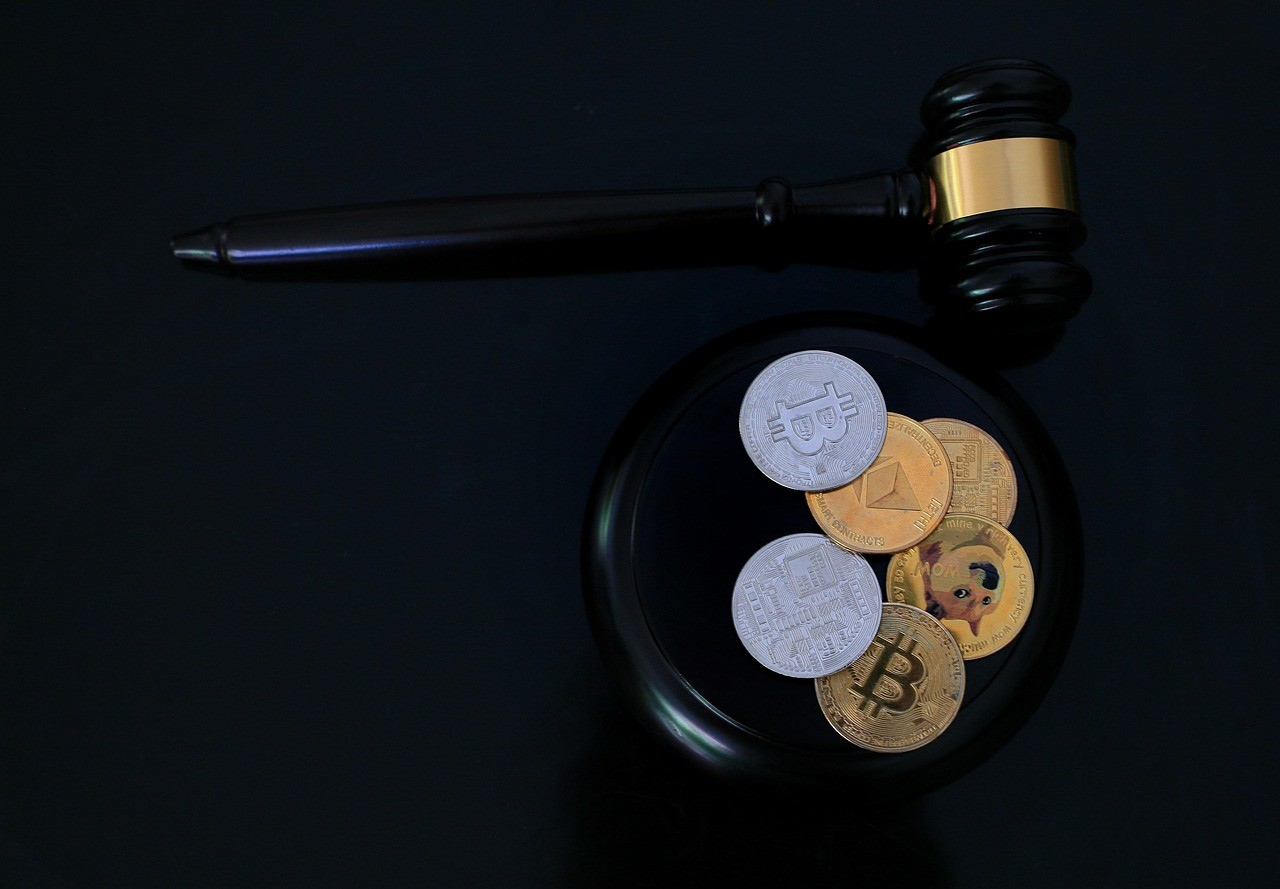
How the Golden State Plans to Bring Dormant Digital Assets Under Government Watch
In a landmark move set to reshape crypto regulations in the U.S., California has proposed including cryptocurrency under its Unclaimed Property Law. The bill—Assembly Bill 2269—seeks to treat idle or forgotten crypto assets just like dormant bank accounts or uncashed checks. If passed, this would make California one of the first U.S. states to explicitly require crypto businesses to report and eventually hand over unclaimed digital assets to the state.
This legislation could have far-reaching implications—not only for Californian crypto holders but also for exchanges, custodial platforms, and blockchain-based financial services. As digital assets become a core part of wealth portfolios, the state’s move sends a clear message: crypto is no longer outside the reach of traditional financial law.
Why Is California Doing This?
The Rise of Dormant Crypto Wallets
A 2023 report from Chainalysis estimated that nearly 20% of Bitcoin’s total supply—about 3.7 million BTC—is lost or dormant. This accounts for over $150 billion in digital assets that are effectively untouchable. Much of this stems from forgotten private keys, lost passwords, or deceased owners.
With California home to a major chunk of the U.S. tech and crypto population, lawmakers argue that many of these idle assets likely belong to residents who either abandoned them or passed away without heirs knowing about them.
Aligning Crypto with Traditional Finance
Under California’s existing Unclaimed Property Law, financial institutions are required to report and transfer unclaimed assets to the state after a period of inactivity—usually three years. By extending this to crypto, the bill aims to:
Protect consumers and rightful heirs.
Prevent illicit storage of wealth in inactive crypto wallets.
Bring parity between digital and traditional financial products.
What Does the Bill Propose?
Key Provisions of Assembly Bill 2269
Inactivity Period: Crypto assets must be reported if left untouched for more than three years.
Mandatory Reporting: Platforms holding users’ crypto must attempt to contact the owner before reporting the assets.
Escheatment: If the owner cannot be located, the assets are “escheated” to the state—transferred to California’s control.
Conversion to USD: The state will likely convert the assets to U.S. dollars, although specifics are still under discussion.
This raises complex technical and ethical questions, especially regarding the custody and valuation of volatile crypto assets.
Industry Reactions: A Mix of Concern and Caution
Crypto Advocates Worry About Overreach
Not everyone is cheering. Many in the crypto industry argue that applying traditional property laws to decentralized assets misses the point of self-custody. Coin Center, a crypto policy think tank, warns that:
Users storing assets in self-custody wallets could face legal confusion.
Platforms may be burdened with additional compliance costs.
A lack of technical clarity could lead to wrongful escheatment.
Platforms Brace for Compliance Costs
Crypto exchanges and custodial platforms operating in California may need to overhaul systems to:
Track wallet activity more precisely.
Alert users of impending inactivity-related actions.
File detailed reports with the state.
While larger firms may manage this transition, smaller platforms could face existential threats from the cost of compliance.
How Will This Affect Users?
The Risk of Losing Your Crypto to the State
If you’ve ever left a crypto wallet untouched for years, you could theoretically lose access to it under this law. Though the intention is to reunite owners with their assets, the reality is more complex:
What if the user intended to HODL for a decade?
How will “inactivity” be defined in decentralized systems?
Can the state fairly value or safely hold volatile assets like Bitcoin or Ethereum?
Proactive Measures for Crypto Owners
To protect your digital wealth:
Log in to your wallets periodically to demonstrate activity.
Document your assets in estate planning documents.
Enable contact methods in custodial platforms (email, phone, 2FA) to avoid being flagged as inactive.
Conclusion: A Step Toward Mainstreaming Crypto—But at What Cost?
California’s move to include crypto under its unclaimed property law marks a significant step in mainstreaming digital assets. It reflects a growing acknowledgment of crypto as part of people’s real, taxable, and traceable wealth.
But it also opens a Pandora’s box of issues—especially for an industry built on decentralization and personal sovereignty. As other states watch closely, California may set a precedent that either harmonizes crypto with existing systems or stifles innovation with regulation.
For investors and crypto holders, this is a wake-up call: dormancy is no longer neutral. The future of your crypto may depend not just on where it’s stored—but how active you are in managing it.
CTA: If you hold digital assets, now’s the time to review your wallets, update contact info, and consider legal advice. Crypto is maturing—and your strategy should too.
crypto, California law, unclaimed property, digital assets, blockchain regulation, fintech, crypto compliance, crypto policy, crypto investors