Ethereum Researcher Warns Chain Risks Irrelevance Without Scaling
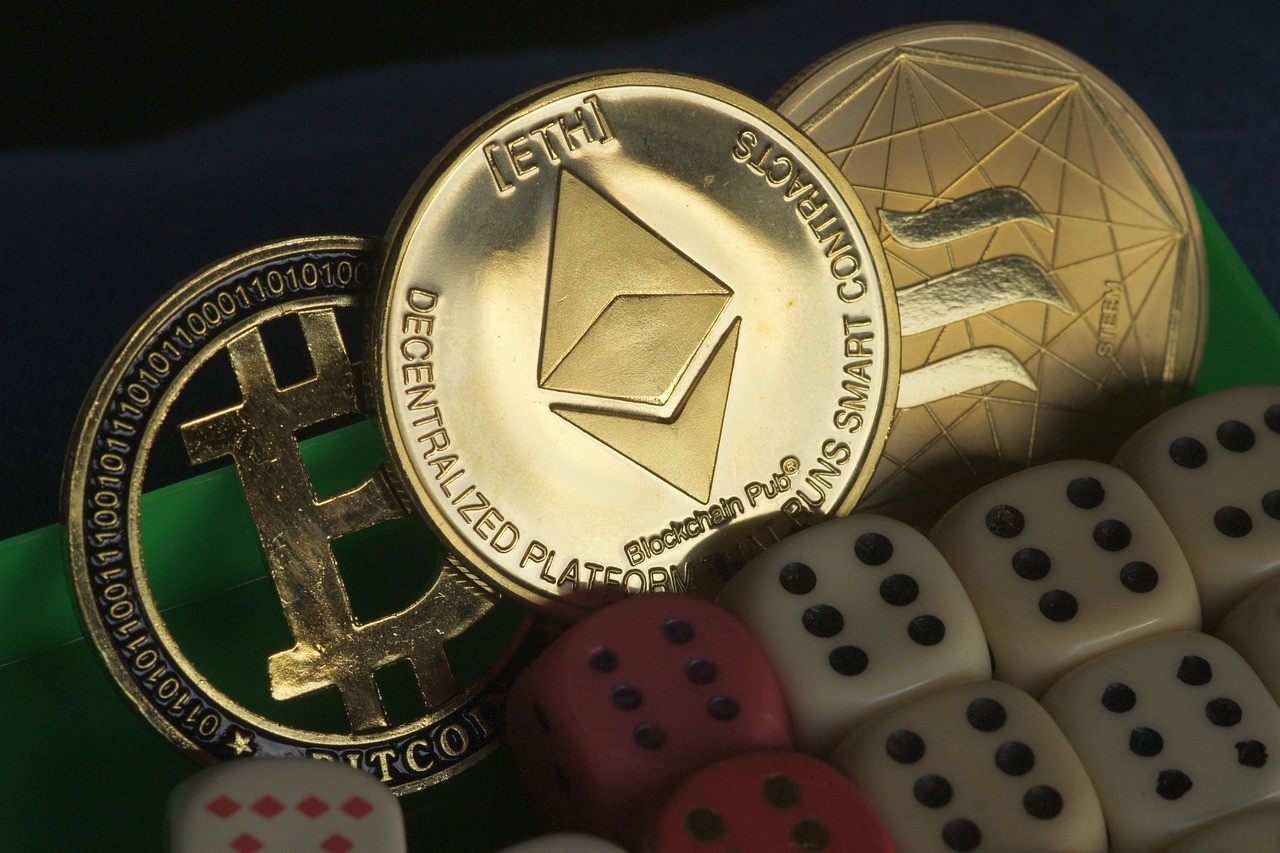
In the early days of Ethereum, it was hailed as the future of decentralized applications—an open-source platform that would reinvent finance, governance, and digital identity. But in a recent and sobering revelation, Ethereum researcher Justin Drake has warned that Ethereum could become irrelevant without a 100x scaling breakthrough.
With rising competition from newer blockchains boasting faster speeds and lower fees, Ethereum’s dominance is being questioned. So what does “100x scaling” really mean? Why is it so critical now? And what does it tell us about Ethereum’s future?
Let’s break it down.
The Problem: Ethereum Is Choking on Its Own Success
Ethereum is currently the most widely used smart contract platform. But success has brought congestion.
Average transaction fees during peak periods can soar to $50 or more, pricing out everyday users.
Transactions per second (TPS) remain at a low 15–30 without Layer 2 solutions.
User experience suffers as delays and high costs deter new adoption.
Ethereum is essentially a superhighway with too many cars and too few lanes. And if it doesn’t scale, someone else will build a faster, cheaper highway.
What Does 100x Scaling Really Mean?
The Math Behind It
When researchers talk about 100x scaling, they mean Ethereum must be able to handle 100 times more transactions per second than it currently can.
This would mean going from roughly 15 TPS to 1,500 TPS or more on the base layer—without relying solely on Layer 2 solutions like Arbitrum or Optimism.
Why Layer 2 Alone Isn’t Enough
While Layer 2 rollups help, they depend on Ethereum’s base layer for security. If Ethereum itself can’t scale, then L2s can only go so far. As Drake points out, true scalability must be "deep"—baked into Ethereum’s foundation.
What Are Ethereum’s Scaling Plans?
Ethereum isn’t standing still. In fact, it’s undergoing some of the most ambitious upgrades in blockchain history.
1. Danksharding & Proto-Danksharding
These are not just tech buzzwords. Danksharding is Ethereum's planned sharding mechanism designed to improve data availability and reduce costs for rollups.
Proto-danksharding (EIP-4844), coming in the near future, will be the first big step. It introduces “blobs” of data that L2s can use efficiently, helping bring down gas fees dramatically.
2. Rollups Everywhere
Vitalik Buterin has repeatedly emphasized that rollups are Ethereum’s short- to medium-term scaling strategy. Rollups compress transactions and post them to Ethereum, increasing throughput while keeping Ethereum secure.
Optimistic Rollups: Like Arbitrum and Optimism, assume validity unless challenged.
ZK Rollups: Use cryptographic proofs for greater security, like zkSync and StarkNet.
But again, Layer 2s need a scalable Layer 1 to rest on.
Why the Urgency Now?
Ethereum is not alone in the smart contract race anymore.
Competitors Are Catching Up
Solana: Boasts 400 TPS and aims for 65,000 TPS.
Avalanche and Aptos: Offer sub-second finality and negligible fees.
Sui and Sei: Built for parallel execution and high-frequency trading.
These newer blockchains have native scalability, unlike Ethereum, which must retrofit it through complex upgrades.
User Frustration Is Growing
If you’ve ever tried to mint an NFT during a hype cycle or make a DeFi trade, you know the pain: high gas fees, failed transactions, and slow confirmations.
For the average user, this isn’t just annoying—it’s a dealbreaker. And that’s why Ethereum is in a race against time.
A Personal Take: Ethereum’s Potential Is Too Big to Fail—But Not Impossible
I remember the first time I sent ETH in 2017. It cost a few cents, was fast, and felt magical. Fast forward to 2021, and I paid nearly $100 to interact with a DeFi protocol.
That’s not progress—it’s a wake-up call.
Ethereum has the most developers, the strongest ecosystem, and the deepest liquidity. But tech superiority doesn’t guarantee survival if usability is compromised.
This is why researchers like Drake are sounding the alarm now—not to incite panic, but to push for urgency.
What’s at Stake for Users and Investors?
If Ethereum fails to scale:
Retail adoption stalls, as users move to cheaper alternatives.
DeFi protocols migrate to Layer 1s with higher throughput.
ETH loses value as its utility decreases.
But if Ethereum succeeds:
It retains its role as the global settlement layer.
It enables mass-scale apps like decentralized social media, gaming, and identity.
ETH becomes even more valuable—not just as an asset but as infrastructure.
Conclusion: Scaling Is Ethereum’s Make-or-Break Moment
Ethereum is at a crossroads. It has the vision, the ecosystem, and the developers to reshape the internet. But without solving its scaling bottleneck—without that elusive 100x improvement—it risks falling into irrelevance.
The next two years will define Ethereum’s legacy. Will it evolve into the world’s decentralized computer, or will it become the MySpace of blockchains—remembered but replaced?