Is Bitcoin Decoupling From Stocks? BTC Rises as Equities Fall
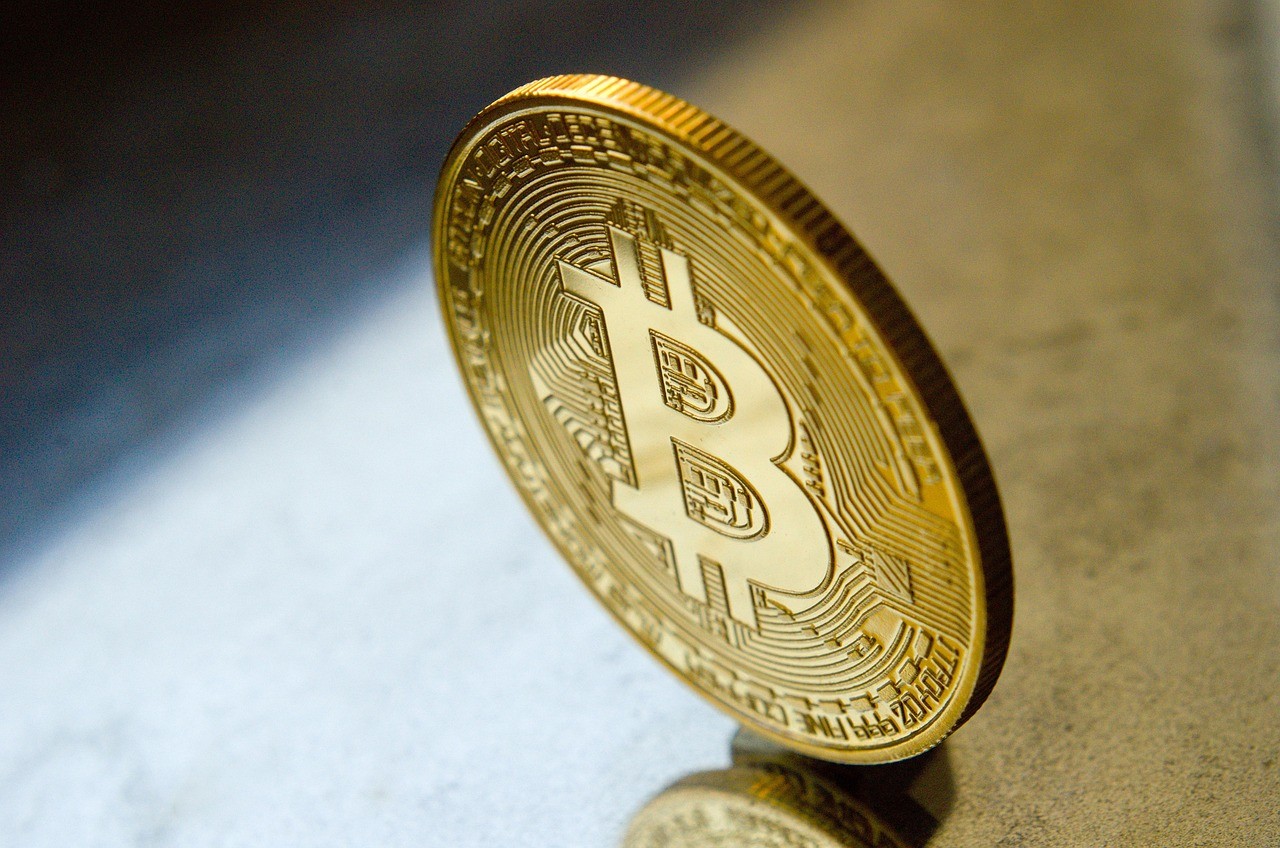
In a market twist that’s catching analysts off guard, Bitcoin is breaking away from its long-standing correlation with the stock market. Over the past few weeks, while major global equity indices like the S&P 500 and Nasdaq have faced steep declines, Bitcoin has surged—defying trends that have typically linked its movement with traditional markets.
This apparent decoupling raises important questions: Is Bitcoin finally stepping into its own as a unique asset class? Or is this just a temporary divergence in a volatile market? For crypto investors, traders, and skeptics alike, this shift may signal a broader change in how Bitcoin is perceived and priced in global finance.
The History of Bitcoin’s Correlation with Stocks
A Rocky Relationship
Historically, Bitcoin has shown varying degrees of correlation with the stock market. During periods of economic uncertainty—such as the 2020 COVID-19 crash or the 2022 interest rate hikes—Bitcoin often moved in lockstep with equities, particularly tech stocks.
But this relationship was more situational than systemic:
In 2018, Bitcoin fell 80% while equities continued to climb.
During the early pandemic days, both stocks and Bitcoin crashed together, only to rebound sharply.
In 2022, rising interest rates led to synchronized losses across crypto and equities.
Analysts often debated whether Bitcoin was a risk-on asset or an inflation hedge. The answer, until recently, seemed to depend on macroeconomic winds.
April 2025: A Turning Point
Divergence in Market Trends
In April 2025, the data told a different story. While:
The S&P 500 fell nearly 4%,
The Nasdaq dropped 5.5%,
Bitcoin climbed over 11%, surpassing $71,000 for the first time in weeks.
That’s not just noise. That’s a pattern shift.
What’s Driving Bitcoin’s Rise?
Several factors may be behind Bitcoin’s resilience:
ETF Inflows: The recently approved spot Bitcoin ETFs continue to see record institutional inflows, providing strong upward momentum.
Halving Hype: The April 2024 halving continues to impact supply dynamics, with miners holding rather than selling.
Macro Uncertainty: With rising geopolitical tensions and inflationary fears, investors are turning to decentralized stores of value.
Reduced Exchange Selling: On-chain data shows decreasing BTC on exchanges, suggesting fewer investors are ready to sell.
Expert Opinions: Temporary or Trend?
A Narrative Shift?
According to crypto analyst Maya Rodriguez, “This could be the moment Bitcoin begins its next evolution—not just as a digital commodity but as a financial safe haven.”
Others remain cautious. Financial strategist Peter Wang warns, “We’ve seen decoupling before, but it didn’t last. It’s too early to call this a long-term trend.”
On-Chain Signals
Supporting the bullish view, blockchain analytics platform Glassnode reported a spike in long-term holder accumulation, typically seen in early bull markets. Additionally:
BTC supply last active over 1 year ago hit a new ATH (All-Time High).
Exchange outflows exceeded $2.4B in the past 30 days.
These signals suggest confidence, not panic.
What This Means for Investors
Portfolio Diversification Just Got Smarter
For traditional investors who’ve hesitated to add crypto to their portfolios due to its correlation with stocks, this moment may offer a compelling case to reconsider.
Key Takeaways for Investors:
Bitcoin may be developing as a macro hedge.
Reduced correlation means better diversification potential.
Institutional confidence is strengthening Bitcoin’s market position.
Yet caution is still warranted. Crypto markets remain highly volatile, and short-term decoupling could easily revert.
Conclusion
Bitcoin’s recent performance against falling equity markets may mark the beginning of a long-anticipated decoupling. As the world of finance continues to evolve in 2025, investors are watching Bitcoin not as a speculative outlier, but as a serious contender for portfolio diversification and long-term value.