MetaMask Adds Solana—Multi-Chain Era Just Got Easier
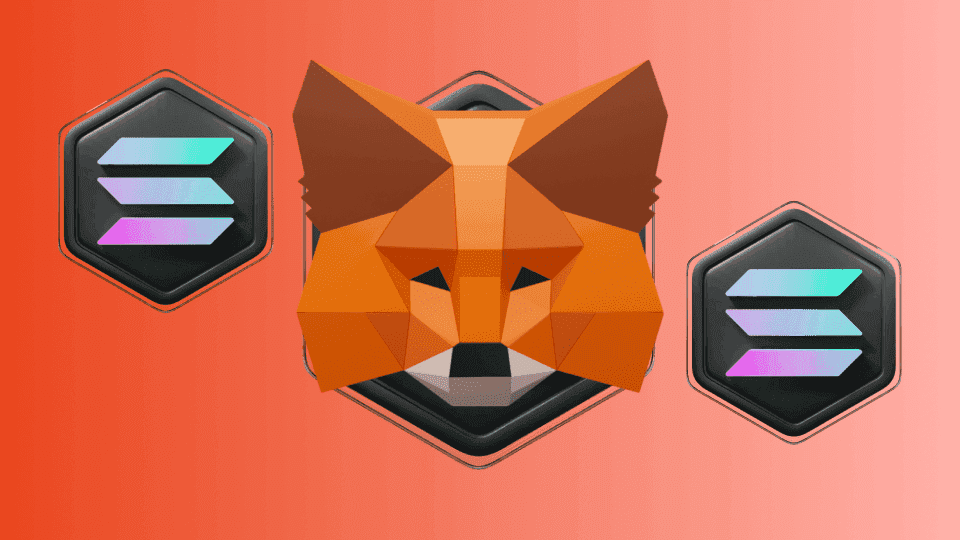
Until recently, MetaMask users were limited to Ethereum and compatible blockchains like BNB Chain, Polygon, and Avalanche. But in a major stride toward a truly interoperable Web3, MetaMask—the world’s most widely used crypto wallet—has added support for Solana, one of the fastest-growing Layer 1 blockchains.
This move signifies more than just another integration. It is a defining moment for the multi-chain era, offering users seamless access to Solana's high-speed transactions and vast DeFi ecosystem—all from the familiar MetaMask interface. For developers, traders, and NFT enthusiasts, the lines separating blockchain ecosystems are beginning to blur.
So, what does this really mean for the average user? Why is this move significant now? And how might it reshape the future of Web3 wallets?
Let’s unpack it.
Why Solana Integration Matters
MetaMask’s integration of Solana isn’t just technical—it’s transformational.
Solana: The Ethereum Challenger
Known for ultra-fast transactions and low gas fees, Solana has long been touted as a competitor to Ethereum.
It processes over 65,000 transactions per second (TPS) compared to Ethereum’s 15 TPS.
As of 2025, Solana supports a thriving ecosystem of DeFi apps, NFT marketplaces, and meme coins like BONK and WIF.
By adding Solana, MetaMask is no longer just an Ethereum-first wallet—it’s now a multi-chain power tool for a growing global audience.
Bridging Fragmented Ecosystems
For years, managing assets across different blockchains required multiple wallets, browsers, and plugins—a frustrating, often risky, user experience.
With Solana now integrated, MetaMask users can:
Access Solana dApps without switching wallets
View and manage SOL and SPL tokens alongside ETH and ERC-20s
Use a unified interface to swap assets and interact with DeFi tools
This shift reduces friction dramatically—especially for users new to Web3.
Behind the Scenes: How the Integration Works
The integration was made possible through MetaMask Snaps—a modular system that allows third-party developers to expand wallet functionality.
What Are MetaMask Snaps?
Introduced in late 2023, Snaps are custom JavaScript plugins that extend MetaMask’s capabilities beyond Ethereum.
Solana support was added via a Snap built by Solflare, a leading Solana-native wallet.
Users simply install the Solana Snap to enable Solana functionality.
Benefits of the Snap Model
Security: Every Snap runs in a sandboxed environment.
Flexibility: Developers can build support for any blockchain.
Scalability: MetaMask can become a true universal wallet without being natively multi-chain.
This architectural pivot may be the most important wallet upgrade since MetaMask launched in 2016.
Real-World Impact: What This Means for You
For Users
No more wallet hopping: You can now use MetaMask for both ETH and SOL-based apps.
Simplified onboarding: New users can explore both ecosystems through a single interface.
Enhanced portfolio management: Monitor cross-chain assets side-by-side.
For Developers
Easier user acquisition: Tap into MetaMask’s 30M+ monthly active users.
Cross-chain applications: Build experiences that seamlessly switch between Solana and Ethereum.
Unified testing environments: Reduced fragmentation means faster development cycles.
The Bigger Picture: Toward a Unified Web3
This move is part of a larger trend in crypto—breaking down the silos between blockchains.
Avalanche, Cosmos, and Polkadot are already exploring cross-chain applications.
Wallets like Phantom are adding Ethereum support, and now MetaMask returns the gesture.
Interoperability protocols like Wormhole and LayerZero are gaining traction.
MetaMask’s Solana integration symbolizes this shift in mindset: Web3 isn’t many chains competing; it’s one ecosystem evolving.
Conclusion
MetaMask’s integration with Solana is more than just an update—it’s a moment of alignment in a previously fragmented Web3 world.
What started as an Ethereum wallet has grown into a multi-chain super app, capable of bridging the gaps between ecosystems. For users, it means fewer barriers. For developers, it means wider reach. And for the broader crypto community, it signals a step toward a more unified digital economy.