Pakistan to Launch Strategic Bitcoin Reserve, Says Minister
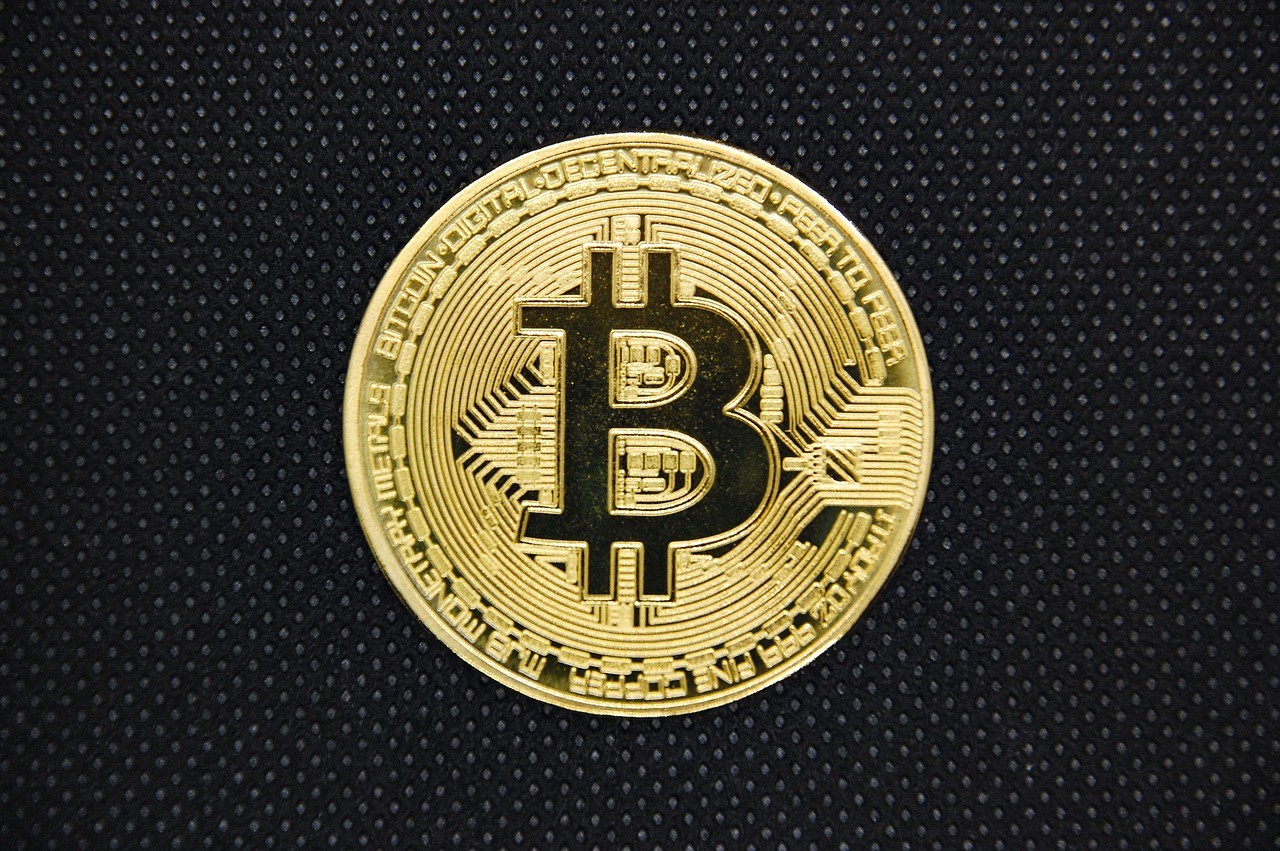
In a landmark announcement that could reshape Pakistan’s financial landscape, the country’s Minister for Science and Technology revealed plans to launch a national strategic Bitcoin reserve. The declaration, made during a televised press conference in Islamabad, signals a bold pivot toward digital finance at a time when traditional economic frameworks are being challenged across the globe.
This move positions Pakistan among a growing list of countries exploring state-level crypto integration, echoing sentiments that the future of global economics may be decentralized. While nations like El Salvador have already adopted Bitcoin as legal tender, Pakistan’s strategy appears more cautious yet calculated—a digital reserve rather than a monetary overhaul.
Why Bitcoin, Why Now?
The decision to create a Bitcoin reserve isn't random. Pakistan, a country often constrained by foreign debts and currency fluctuations, sees digital assets as a potential hedge against economic instability.
A Digital Hedge Against Inflation
For years, Pakistan has struggled with a volatile rupee and dependency on foreign aid. In 2023 alone, inflation averaged 29.2%, and the rupee dropped over 20% against the US dollar.
According to the Minister, the strategic reserve will serve several functions:
Hedge against rupee depreciation
Diversify national reserves beyond gold and USD
Encourage blockchain innovation and crypto-related investments
“This is not a replacement for our current system, but a parallel safety net,” the Minister stated, adding that the reserve would be “managed transparently and in alignment with international regulations.”
The Blueprint: How Will It Work?
While still in its early stages, the roadmap for this ambitious project is beginning to take shape.
Setting Up the Digital Reserve
The government is considering a multi-tiered plan:
Establishment of a Crypto Regulatory Authority: To oversee and monitor Bitcoin acquisitions.
Initial Investment Phase: Estimated at $50 million, acquired in tranches via government-backed channels.
Cold Storage Security Protocols: To ensure offline, unhackable safekeeping of Bitcoin holdings.
Strategic Partners: Collaborations with established global crypto firms and advisors.
Interestingly, the reserve will be publicly auditable, with quarterly disclosures to ensure transparency and public trust.
Involvement of the Private Sector
Rather than isolating the reserve within bureaucratic systems, the government aims to involve fintech startups, blockchain developers, and private banks. A sandbox model is being designed where innovation meets policy in real-time.
Reactions at Home and Abroad
The announcement has stirred a spectrum of reactions.
Public Sentiment: Hope or Hype?
Among Pakistan’s youth—particularly the tech-savvy urban population—the move is being applauded.
Aisha Malik, a 23-year-old software engineer from Karachi, shared:
“It’s a relief to see the government finally catching up. We’ve been trading Bitcoin quietly for years, and now it feels validated.”
However, not everyone is convinced. Older economists and opposition politicians have warned about volatility and lack of regulatory clarity.
Global Watchdogs Are Watching
The International Monetary Fund (IMF) and Financial Action Task Force (FATF) are expected to scrutinize the initiative. Pakistan has only recently exited the FATF grey list and is keen to maintain its reputation.
An anonymous official from a European financial body noted:
“It’s a risky yet progressive move. If executed responsibly, Pakistan could set a precedent for struggling economies looking for innovative fiscal solutions.”

Lessons from El Salvador, But with Caution
Pakistan’s Bitcoin reserve differs significantly from El Salvador’s bold adoption of BTC as legal tender. Here, the emphasis is on reserve accumulation and financial buffering, not everyday use.
This cautious approach might prove to be more sustainable:
No risk of Bitcoin-induced inflation in daily trade
Lower public exposure to price volatility
More control over the inflow and outflow of digital capital
What Comes Next?
The Minister has announced that a pilot program will begin by Q4 of 2025, with the first Bitcoin acquisition scheduled by early 2026. A whitepaper detailing the operational and legal framework is expected to be released within the next two months.
Additionally, universities and institutions will be roped in to create research and training modules on blockchain technologies—ensuring the next generation of professionals is crypto-literate.
Conclusion: A Digital Leap Toward the Future
Pakistan’s decision to establish a strategic Bitcoin reserve is more than a headline—it’s a reflection of a shifting global narrative. For a country long reliant on traditional economic tools, this could be a turning point in financial autonomy and technological progress.
As the world debates crypto’s place in formal finance, Pakistan is choosing not just to watch from the sidelines but to get involved—with caution, strategy, and purpose.