Stocks Slide and Crypto Stumbles Amid Macro Worries Despite Positive Policy Moves

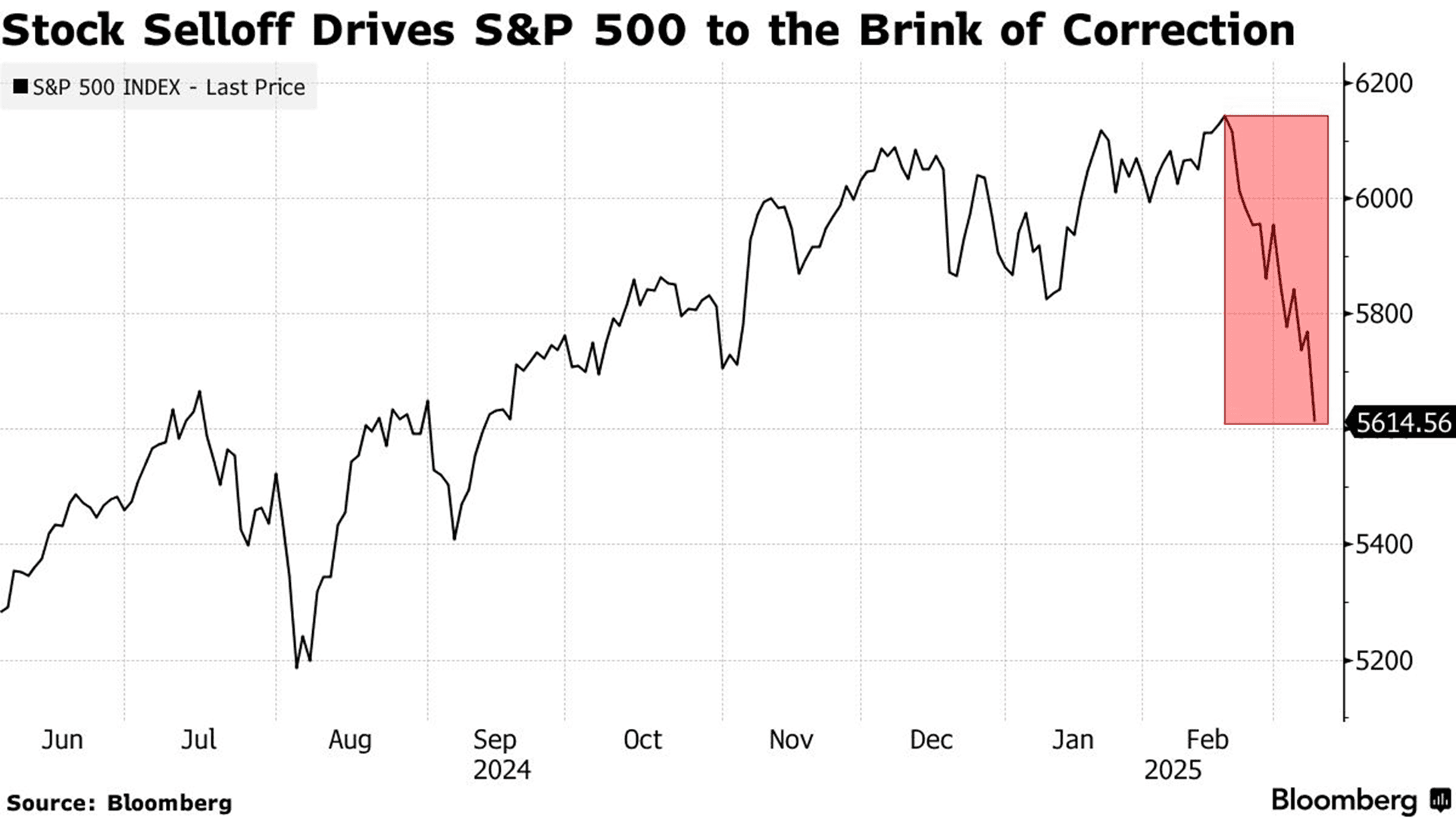
Global markets experienced sharp declines on Monday, March 10, as investors remained cautious ahead of critical economic data releases and persistent macroeconomic uncertainty. Major indices such as the S&P 500 fell by 2.6%, the Nasdaq-100 declined by 3.1%, and the Dow Jones Industrial Average dropped by 2.2%. Futures markets indicate continued pressure in Asian markets, with Nikkei 225 and Hang Seng signaling further losses.
Cryptocurrencies mirrored the stock market's downturn, despite recent supportive regulatory developments. Bitcoin dropped approximately 5.8%, briefly touching lows near $76,838, marking a substantial 19% decline over the past 30 days. Similarly, Ethereum fell 11.5% within 24 hours to approximately $1,795, representing a 29% drop over the last month. Other leading cryptocurrencies like Dogecoin, which plunged 13% to $0.16, also felt the heat of intensified selling.
The downturn triggered massive liquidations across crypto exchanges, with CoinGlass data reporting around $712 million in liquidations within just 24 hours, an 85% increase from the previous day. Bitcoin alone accounted for $304 million of these liquidations. The severity of the sell-off resulted in a 4% decline in total crypto market open interest, now at $87 billion.
Macroeconomic Factors Overshadow Favorable Policy News
Investors' unease largely stems from macroeconomic concerns, notably rising global inflation and new U.S. tariffs that have intensified fears of stagflation—a scenario of slowing growth coupled with persistent inflation. Recently released economic data has heightened these fears. U.S. GDP growth also slowed sharply to 2.3%, down from a previous rate of 3.1%, while the GDP price index rose to 2.4%, exceeding expectations and reflecting sticky inflation pressures.
Investors now eagerly await Wednesday's (March 12) critical Consumer Price Index (CPI) data, projected to show a monthly rise of 0.3% and an annual rate of 2.9%, slightly below January’s 3%. A higher-than-expected CPI could strengthen expectations for the Federal Reserve to maintain elevated interest rates longer, potentially applying further downward pressure on stocks and crypto alike.

President Donald Trump's recent crypto-positive executive orders, including the establishment of a U.S. Bitcoin strategic reserve and measures reversing prior anti-crypto banking policies ("Operation Chokepoint 2.0"), have not been enough to counterbalance these broader economic concerns. Analysts believe that market disappointment stems from the absence of clear timelines and strategies for the Bitcoin reserve, leaving uncertainty lingering.
What's Next for Markets and Crypto?
Market analysts caution that Bitcoin's recent dip below key support at $80,000 could trigger additional liquidations. eToro analyst Simon Peters highlights that Bitcoin historically experiences drawdowns of 20-35% during significant corrections in bull markets. Currently, Bitcoin has retraced about 28% from its recent all-time high of approximately $109,300, suggesting potential for further downside toward the $70,000 mark if macro pressures persist.
However, some analysts see potential upside later this year due to shifting liquidity conditions and eventual clarity on Trump’s crypto-focused policies. Jamie Coutts, Real Vision’s chief crypto analyst, noted that recent declines in the U.S. dollar could signal improved liquidity conditions, typically beneficial for risk assets like cryptocurrencies in subsequent months.
In conclusion, although short-term volatility and macroeconomic uncertainty dominate market sentiment, long-term fundamentals for crypto remain robust. Investors should brace for continued volatility while closely monitoring inflation data and regulatory developments, both crucial factors shaping the market's trajectory.