Thailand to Launch $150M Digital Token to Modernize Investment Access
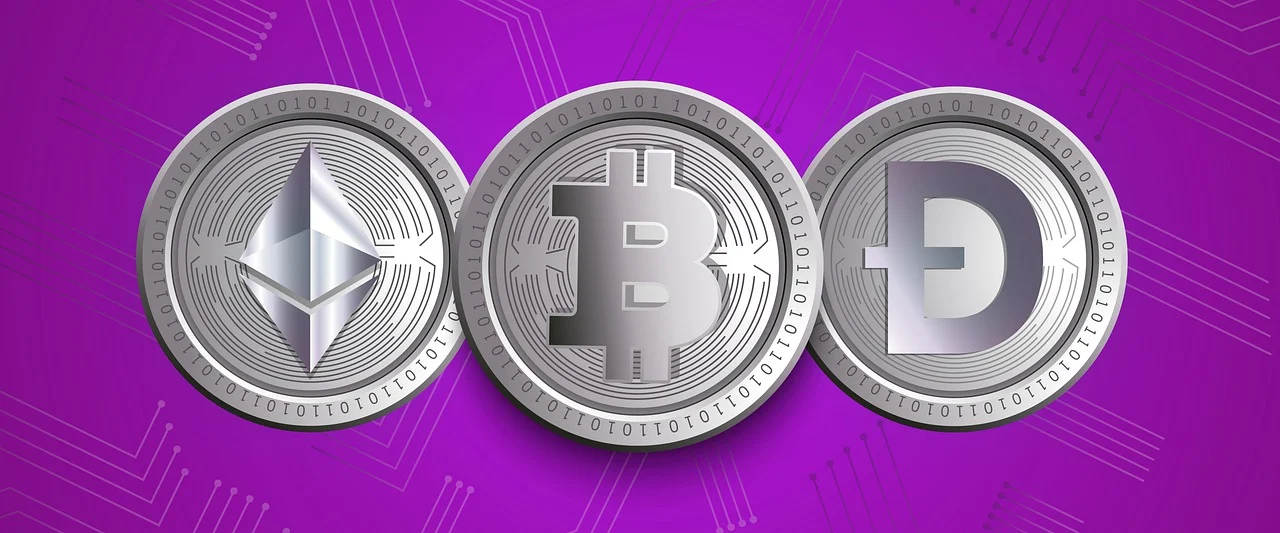
Thailand is making bold moves in the digital finance world. The Southeast Asian nation has announced a $150 million digital token offering designed to revolutionize public access to investment opportunities. Led by Thailand’s Ministry of Finance in collaboration with its Securities and Exchange Commission (SEC), the offering is aimed at modernizing investment access for both domestic and international investors by leveraging blockchain technology.
This strategic initiative isn’t just about innovation — it’s about democratizing finance. With the token offering, Thailand hopes to create a more inclusive and efficient financial system where investors of all sizes can participate in government-backed investment vehicles traditionally reserved for institutions and high-net-worth individuals.
The Digital Token Offering: A New Gateway for Investment
What Is the Offering About?
Thailand plans to issue investment tokens worth 5 billion baht (approximately $150 million USD) as a pilot initiative. These digital tokens will be built on blockchain infrastructure, enabling fractional ownership, 24/7 trading, and near-instant settlement.
Key Features of the Token Offering
Backed by the Thai government, ensuring regulatory transparency and legitimacy.
Available to retail and institutional investors, opening access to a broader segment of the population.
Issued under Thailand’s Investment Token Royal Decree, making it one of the few regulated government-backed digital assets globally.
The tokens will likely be linked to infrastructure projects, green bonds, or public development programs, providing investors with tangible assets and returns.
Why Is Thailand Taking This Step?
Broadening Access to Finance
For decades, traditional investment routes like government bonds or real estate required high entry thresholds. With digital tokens, even small investors can now own a fraction of high-value assets, making wealth-building more attainable.
Lower entry barriers: Minimum investment expected to be under $100.
Faster onboarding: KYC and wallet setup integrated with national ID systems.
Real-time liquidity: No need to wait for maturity periods or fixed-term bonds.
Enhancing Transparency and Efficiency
By leveraging blockchain, Thailand is aiming to:
Improve transaction traceability
Reduce administrative costs
Eliminate middlemen
These benefits appeal not just to tech-savvy millennials but also to traditional investors seeking clarity and control over their financial activities.
Thailand’s Regulatory Lead in Southeast Asia
Government Strategy and Support
Thailand has steadily emerged as a regional leader in digital asset regulation. The country legalized and structured crypto trading as early as 2018, and has since built a robust framework for tokenized assets.
The Bank of Thailand is simultaneously testing a retail Central Bank Digital Currency (CBDC).
The Digital Economy Promotion Agency (DEPA) has launched multiple Web3 and blockchain education programs.
The SEC of Thailand has cleared over a dozen digital token issuers in 2024 alone.
This digital token offering is the culmination of years of groundwork in regulatory clarity and innovation readiness.
Comparisons with Regional Neighbors
While Singapore remains a financial hub, its cautious stance on retail crypto investments limits access. Meanwhile, countries like Malaysia and Vietnam are still drafting formal digital asset frameworks.
Thailand’s move, therefore, positions it ahead in terms of implementation, not just intention.
Investor Impact: What’s in It for You?
Benefits for Local Retail Investors
Greater financial inclusion: Urban and rural citizens can both access the same asset classes.
Fractional investments: Own a piece of infrastructure without needing massive capital.
Mobile-first investing: Tokens will be accessible through mobile wallets linked to digital banking platforms.
Global Investor Interest
Thanks to Thailand’s open investment policy, foreign investors will also be allowed to participate in this token offering. With Thailand being one of Asia’s fastest-growing economies, these tokens could serve as a gateway for foreign capital inflow.
Real-World Example: How a Student Can Now Invest in Thailand's Growth
Meet Nicha, a 23-year-old graduate student in Bangkok. She earns a modest stipend and never imagined herself investing in national infrastructure. Through the upcoming token platform, she signs up using her Thai national ID, completes KYC in minutes, and buys a token worth $50 that’s tied to a new high-speed rail project.
Now, she’s not just a commuter — she’s a stakeholder.
“It feels empowering,” Nicha says. “I’m investing in my future and my country’s future.”
Stories like Nicha’s highlight how blockchain can make finance personal, meaningful, and accessible.
What’s Next?
Roadmap and Rollout
Q3 2025: Platform testing and initial token allocation.
Q4 2025: Public launch via selected government-approved exchanges and fintech partners.
2026 and beyond: Scaling to include international infrastructure projects and ESG-linked tokens.
Thailand also plans to integrate AI-based tools for risk assessment, portfolio tracking, and financial literacy via mobile platforms.
Conclusion: A Bold Leap Toward the Future of Finance
Thailand’s $150 million digital token offering is more than a policy decision — it’s a transformational moment in Asia’s financial evolution. By combining government trust with blockchain innovation, the country is creating a new blueprint for how nations can democratize investment access.
Key Takeaways:
The offering opens doors for micro-investors to participate in national growth.
Blockchain ensures security, transparency, and efficiency.
Thailand sets a regional example by launching a regulated, inclusive digital investment initiative.
For the people of Thailand — and global investors watching closely — this is a step into a financial system that’s more accessible, fair, and future-ready.