Trump-Backed Crypto Bill Falters as Republicans Split on Support
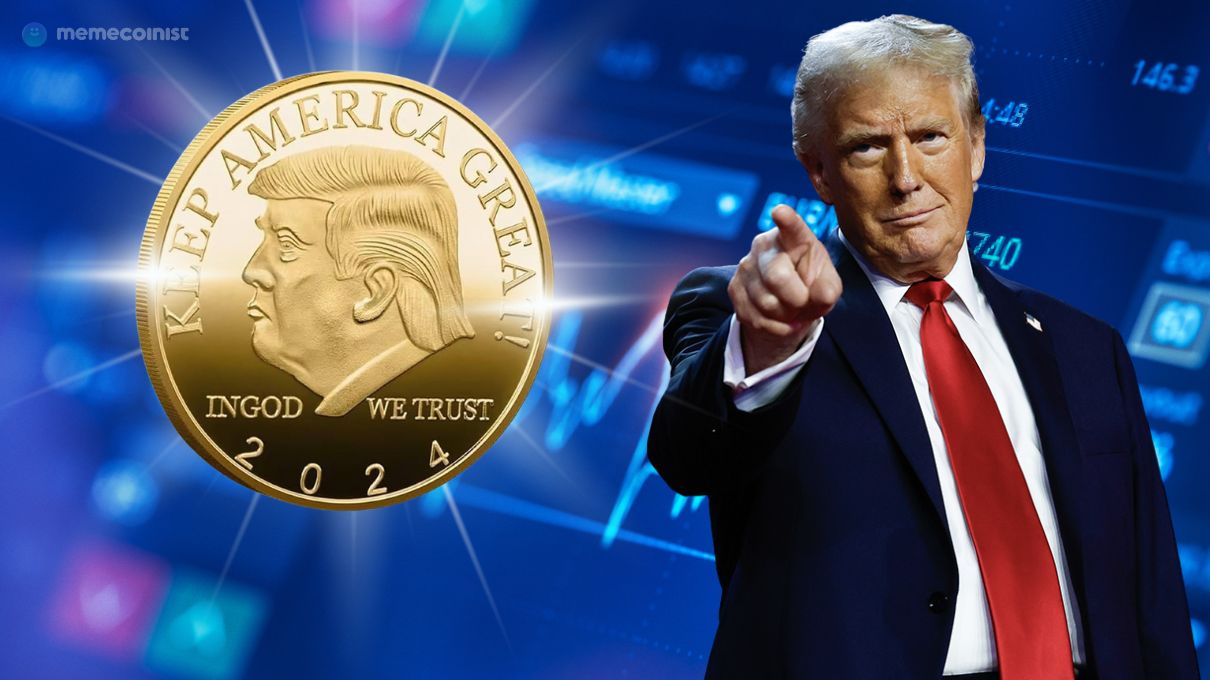
In a significant turn of events, the Trump-backed cryptocurrency bill is facing considerable hurdles as divisions grow within the Republican Party. This proposed legislation aimed to establish a regulatory framework for digital currencies, reflecting the former president's ongoing influence in the crypto space. However, internal disagreements among GOP members have raised questions about the bill's viability. As the crypto market continues to evolve, the implications of this rift could affect not only the legislation but also the future of cryptocurrency regulation in the United States.
The Crypto Bill's Ambitious Goals
Background and Objectives
The cryptocurrency bill, introduced with the backing of former President Donald Trump, sought to provide a comprehensive regulatory framework for digital currencies. Key objectives included:
Establishing Clear Guidelines: The bill aimed to define the legal status of cryptocurrencies and provide clarity for investors and businesses alike.
Consumer Protection: It sought to introduce measures to protect consumers from fraud and ensure the integrity of crypto transactions.
Encouraging Innovation: By creating a stable regulatory environment, the bill intended to foster innovation within the cryptocurrency sector.
Initial Support and Expectations
Initially, the bill garnered support from various factions within the Republican Party, with many viewing it as a way to capitalize on the growing popularity of cryptocurrencies. Supporters argued that clear regulations would not only protect consumers but also position the U.S. as a leader in the global crypto market.
Republican Divisions Emerge
Fractured Party Lines
Despite the initial enthusiasm, cracks began to appear in GOP unity as key figures voiced concerns over the bill. Some Republicans fear that the proposed regulations could stifle innovation and limit personal freedoms. Notable dissenters include libertarian-leaning members who advocate for minimal government intervention in the cryptocurrency space.
Public Statements and Reactions
Several prominent Republicans have publicly expressed their reservations:
Senator Rand Paul emphasized the importance of preserving individual freedoms, arguing that excessive regulation could hinder the growth of the crypto industry.
Representative Warren Davidson highlighted the need for a balanced approach, advocating for regulations that protect consumers without stifling innovation.
Economic Implications of the Split
Market Reactions
The uncertainty surrounding the bill has already impacted the cryptocurrency market. Following news of the GOP split, major cryptocurrencies experienced fluctuations in value, reflecting investor concerns about future regulatory landscapes. The lack of a unified Republican front could lead to:
Increased Volatility: Investors may react to the instability in regulatory discussions, leading to sharp price swings in cryptocurrencies.
Market Sentiment: A divided party could create a perception of uncertainty, influencing public sentiment towards crypto investments.
Potential Consequences for the Crypto Industry
The failure of the bill could have far-reaching implications for the cryptocurrency industry, including:
Delayed Regulations: Without a clear regulatory framework, the U.S. could fall behind other nations in establishing a conducive environment for crypto innovation.
Investor Hesitancy: Ongoing uncertainty may deter potential investors, stunting growth in the sector.
The Future of Cryptocurrency Regulation
Prospects for Compromise
Despite the current divisions, there remains a possibility for compromise among Republicans. Some party members are advocating for a modified version of the bill that addresses concerns while still providing necessary regulatory guidelines. This could include:
Flexible Regulations: Introducing regulations that adapt to the rapidly changing crypto landscape.
Stakeholder Engagement: Involving industry experts in the legislative process to ensure that regulations are both effective and practical.
The Role of Public Opinion
Public sentiment towards cryptocurrencies is evolving, with increasing acceptance among younger demographics. As more citizens become engaged in crypto investments, pressure may mount on lawmakers to find a middle ground. Polls indicate that a significant portion of the population supports clear regulations, indicating that politicians who align with public sentiment may have an advantage.
Conclusion
As the Trump-backed cryptocurrency bill falters amidst Republican divisions, the future of crypto regulation in the U.S. remains uncertain. The implications of this split extend beyond party lines, affecting investors, consumers, and the overall market. A potential compromise may still be on the horizon, but the clock is ticking. For those invested in the cryptocurrency landscape, staying informed and engaged is crucial. As developments unfold, it is essential to advocate for a balanced approach that fosters innovation while protecting consumers.