Uber Eyes Stablecoins to Cut Costs, Says CEO
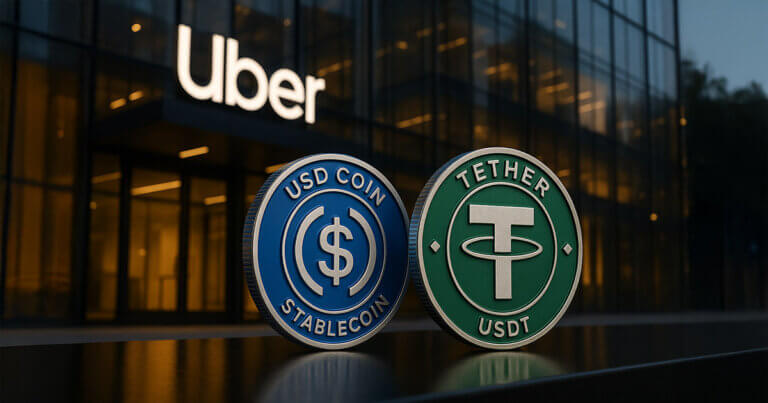
In a world where every transaction is inching closer to digital convenience, Uber is preparing to take its next big leap. The global ride-hailing giant is reportedly in the “study phase” of integrating stablecoins—a form of cryptocurrency pegged to traditional assets—to streamline payments and reduce transaction costs. CEO Dara Khosrowshahi recently revealed this strategic pivot, underlining the company’s evolving relationship with blockchain technology.
As digital currencies slowly permeate mainstream business practices, Uber’s cautious yet forward-looking move may not just shape its financial infrastructure, but also set a precedent for the gig economy at large.
Why Stablecoins Matter to Uber
Stablecoins, unlike volatile cryptocurrencies like Bitcoin or Ethereum, are pegged to fiat currencies such as the US dollar. This makes them more predictable and practical for routine business transactions.
For Uber, which processes millions of micro-transactions daily, even marginal improvements in payment efficiency can lead to massive annual savings.
Key Benefits Uber Is Exploring:
Lower Transaction Fees:
Credit card and banking intermediaries often charge up to 3% per transaction. Stablecoins can potentially reduce these fees to fractions of a cent.Faster Settlements:
Instead of waiting days for bank transfers to clear—especially in cross-border scenarios—blockchain transactions can settle within minutes.Financial Inclusion:
Many Uber drivers across the globe don’t have traditional bank accounts. Stablecoin wallets could open up new payment options for them.
The CEO’s Vision: Optimistic but Cautious
Dara Khosrowshahi, in an interview with Bloomberg, emphasized that Uber is still in the “study phase”, assessing regulatory risks, volatility buffers, and tech integration challenges.
“We absolutely look at crypto and stablecoins as a possible way to make payments more efficient. But we want to make sure the infrastructure is secure and scalable,” Khosrowshahi said.
This signals that Uber isn’t jumping blindly into the blockchain frenzy—it’s calculating every move, weighing cost-effectiveness against regulatory uncertainties.
Why Now? Timing the Crypto Pivot
Uber’s interest in stablecoins comes amid growing institutional trust in blockchain technology. With companies like PayPal and Visa incorporating crypto and stablecoin mechanisms, Uber’s exploration fits neatly into the timeline of mainstream blockchain adoption.
Influencing Factors:
Global Expansion Goals:
Uber operates in over 70 countries. Stablecoins can help overcome currency conversion costs and streamline multi-currency accounting.Rising Transaction Costs:
The pandemic-driven digital payment surge has increased reliance on intermediaries. Blockchain could offer a leaner alternative.Web3 and the Gig Economy:
As decentralized platforms become more mainstream, Uber needs to future-proof its infrastructure to stay relevant in the Web3 economy.
Challenges in the Road Ahead
While the advantages are compelling, integrating stablecoins into a platform as complex as Uber isn’t plug-and-play.
Major Obstacles:
Regulatory Gray Areas:
Varying crypto regulations across jurisdictions could complicate global rollout plans.User Trust and Education:
Riders and drivers may need education and reassurances about the security of stablecoin payments.Tech Stack Compatibility:
Uber would need robust backend integration with blockchain systems—an overhaul that may demand time and resources.
Real-World Impact: What Could Change?
If implemented, this move could redefine how drivers get paid and how riders are charged. Imagine getting into an Uber in Nairobi, paying in USDC (a popular stablecoin), and the driver in Indonesia receiving funds near-instantly—without either of you worrying about conversion rates, bank fees, or processing delays.
For drivers in countries with unstable local currencies, stablecoins could provide greater financial stability. For Uber, the reduction in overhead could translate into lower ride costs or better margins.
Conclusion: Uber's Crypto Journey Begins, Carefully
Uber’s foray into stablecoins isn’t just another tech experiment—it’s a glimpse into how big tech is slowly embracing blockchain not for buzz, but for better business. CEO Dara Khosrowshahi’s measured approach is wise: by staying in the “study phase,” Uber ensures it's not caught off-guard by sudden market shifts or regulatory clampdowns.
Yet, this moment marks a critical shift in how the world’s most iconic gig economy platform views money—not just as a medium of exchange, but as an optimizable system. And if successful, Uber’s move could be the catalyst that pushes stablecoin adoption beyond fintech circles into our everyday routines.
Want to ride the wave of innovation? Watch Uber’s next move—it might just redefine how we pay.