Ukraine Eyes Strategic Bitcoin Reserve in Partnership With Binance
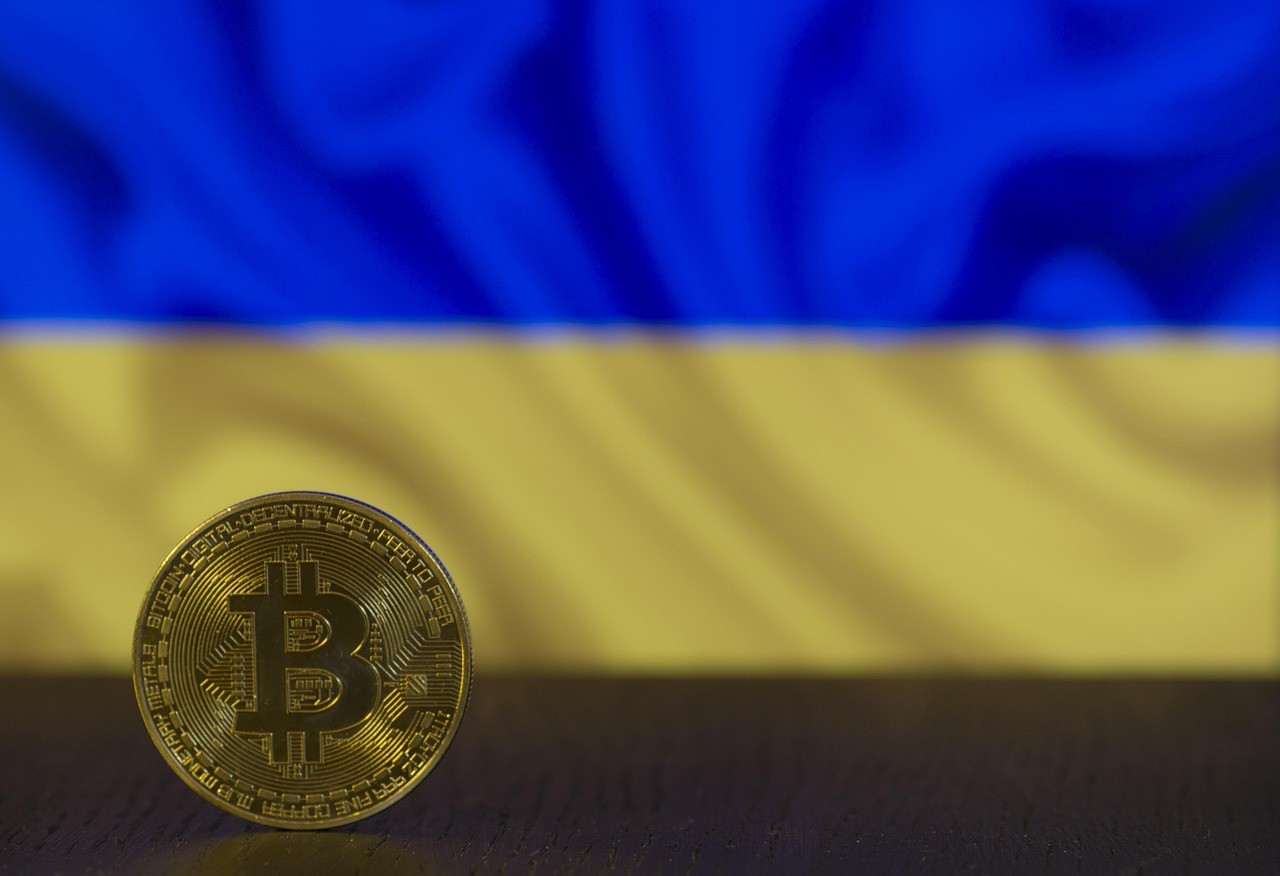
In a move that could redefine modern national finance, Ukraine is exploring the creation of a strategic Bitcoin reserve—and it's doing so with the help of crypto giant Binance. Amid continued geopolitical uncertainty and a war-torn economy, the Ukrainian government is looking toward decentralized finance to strengthen its national treasury and stabilize future monetary planning.
This isn't a speculative crypto play. It's a calculated, long-term initiative that could see Ukraine become the first country in Eastern Europe to officially hold Bitcoin as part of its financial reserves. With Binance providing technical expertise, infrastructure, and regulatory guidance, this potential reserve could mark a milestone moment not just for Ukraine, but for global crypto adoption.
Why Ukraine is Turning to Bitcoin
A Search for Economic Resilience
Ukraine’s economy has been under siege since the Russian invasion in 2022, with infrastructure damage estimated at over $400 billion. Inflation, currency devaluation, and interrupted financial systems have pushed the government to rethink its approach to sovereign wealth.
Benefits of a Bitcoin Reserve:
Hedge against inflation and fiat devaluation
Diversification of national reserves beyond gold and USD
Access to a globally liquid, decentralized asset
Attracts tech investments and international crypto talent
According to Deputy Minister of Digital Transformation Alex Bornyakov, “Bitcoin represents a neutral, secure store of value. It's time we treated it as a financial shield, not just a speculative tool.”
The Binance–Ukraine Collaboration: What We Know
Timeline & Goals
Binance and Ukraine have maintained strong ties since 2020. This new reserve strategy builds on previous partnerships around crypto regulation and education.
In Q3 2025, Ukraine’s National Bank and Binance signed an MoU (Memorandum of Understanding) to explore the feasibility of holding Bitcoin as a reserve asset.
A pilot framework will be developed by year-end to evaluate legal and risk structures.
Ukraine’s central bank is considering starting with a Bitcoin allocation of up to $2 billion, depending on volatility and global market sentiment.
Binance’s Role
As the world's largest crypto exchange by volume, Binance brings in:
Custodial solutions for cold storage
Regulatory compliance models for sovereign assets
Risk analytics tools to track volatility
Real-time monitoring dashboards to manage national BTC holdings
CEO Richard Teng emphasized, “This is not about speculative buying. It's about helping nations modernize their monetary reserves through blockchain.”
Ukraine’s Crypto Journey: From Donations to Digital Defense
This potential reserve is not Ukraine’s first brush with crypto. In fact, digital assets played a key role during the early months of the war.
Notable Crypto Milestones:
Over $135 million in crypto donations raised within the first 6 months of the war.
Launch of Aid For Ukraine, a joint initiative with FTX, Everstake, and the Ministry of Digital Transformation.
Passed the Virtual Assets Law in 2022, making crypto legal and regulated.
Crypto was used to pay for military supplies, humanitarian aid, and even communication services, showcasing its speed and borderless potential in emergencies.
This hands-on experience has shaped Ukraine’s progressive view of crypto—not as a threat, but as a tool for resilience and innovation.
The Global Context: Ukraine’s Bold Gamble
Ukraine isn’t alone in its interest. El Salvador famously adopted Bitcoin as legal tender in 2021, while the Central African Republic followed suit in 2022. But Ukraine’s move is more strategic than symbolic.
Differences from El Salvador’s Approach:
No plans to make BTC legal tender
Focus is on asset diversification, not daily payments
Backed by international crypto infrastructure (Binance)
Seeks alignment with IMF and World Bank guidelines
This could serve as a template for other nations grappling with currency instability, sanctions, or economic reform.
Challenges Ahead: Risks and Regulation
Of course, holding Bitcoin comes with its risks—volatility, regulatory gray areas, and cybersecurity threats. Ukraine’s decision will likely attract both praise and skepticism.
Potential Concerns:
Price swings could cause instability in reserve valuations.
Critics worry about regulatory pushback from the IMF or the EU.
Security of cold storage wallets is paramount.
But Ukraine is betting that the benefits outweigh the risks, especially as global institutions begin warming up to crypto-backed financial instruments.
Conclusion: A Nation Hedging Its Future in Bitcoin
Ukraine’s exploration of a Bitcoin reserve with Binance isn’t just another crypto headline—it’s a powerful signal. A signal that sovereign states, especially those under economic pressure, are beginning to see the value of decentralization not just ideologically, but strategically.
In the shadow of war and financial hardship, Ukraine is building a digital rampart—one Satoshi at a time. If successful, this move could set a precedent for digital reserves, reshaping how countries protect their economic sovereignty.