A Seamless Crypto Wallet Experience—Here’s How We Built It
A Seamless Crypto Wallet Experience—Here’s How We Built It
A Seamless Crypto Wallet Experience—Here’s How We Built It
A Seamless Crypto Wallet Experience—Here’s How We Built It
A Seamless Crypto Wallet Experience—Here’s How We Built It
Shashank Kothari
Let’s be honest: using crypto can feel intimidating. Whether you’re new or have been trading for a while, the processes of setting up wallets, managing private keys, and navigating clunky interfaces can quickly become overwhelming. We wanted to change that. From the outset, our team set out to build a crypto wallet experience that feels as straightforward as using a familiar app. In this article, we’ll walk through the insights that drove our approach and the steps we took to create a more user-friendly wallet.
Identifying the Pain Points
Before writing a single line of code, we spoke with a cross-section of the crypto community. Some were seasoned traders frustrated by jumping between different wallet apps, while others had never held Bitcoin and felt unsure about phrases like “gas fees.” A few common themes emerged:
Steep Learning Curve: People found the initial setup with seed phrases and backups too daunting.
Mixed User Needs: Advanced traders wanted multi-chain support, whereas newcomers just needed a simple way to hold and send tokens.
Trust & Security: Stories of hacks and lost private keys left users wary of how secure any wallet could truly be.
We realized our design had to cater to all experience levels—simplifying the basics without neglecting the flexibility power users demand.
Building on Core Principles

From these conversations, we identified three main pillars:
User-Centric Design
Our early prototypes were tested on small groups of both beginners and experts. If even one person found a button confusing or a label unclear, we’d revise it. The goal was minimal clutter and intuitive navigation, so the wallet would feel accessible to everyone.
Security & Trust
Every step—from how we store private keys to the login prompts—had to convey safety without overwhelming users. We added encrypted passcodes, biometric logins on compatible devices, and backup options that are clearly explained. That way, even if someone is brand-new to crypto, they know their assets are protected.
Multi-Chain Compatibility
People frequently hold tokens on different networks, so we integrated support for Ethereum, BNB, Solana, and more into a single dashboard. This decision stemmed directly from user feedback about juggling multiple wallets. Having a unified interface lessens the chance of mistakes and makes it easier to track everything at a glance.
Streamlining the User Flow
Armed with those principles, we focused on perfecting the wallet’s core actions:
Onboarding & Registration
One of the biggest hurdles is that early impression—if the setup is confusing, people might abandon ship. So we kept prompts simple and logical, with easy backups and optional social logins to lower the barrier.
Transaction Process
Sending or receiving tokens can be nerve-racking if the interface is unclear. We aimed for transparent fee estimates, large QR codes for scanning addresses, and a clear progress bar during transfers. This way, users always know what’s happening with their transaction.
Cross-Chain Transfers
Bridging assets from one chain to another manually can involve multiple steps and potential errors. We built an automated bridging mechanism right into the wallet, so you can swap or move tokens without hunting for third-party tools.
Ongoing Beta Testing and Future Enhancements
Even with these efforts, we see our wallet as a work in progress—crypto itself is always evolving, and so are user needs. That’s why we’re currently running an in-house beta testing phase, inviting a small group of dedicated users to try out new features and offer real-time feedback. Their input helps us fine-tune the interface, enhance security, and fix any bugs we might have missed in early prototypes.
Looking ahead, we plan to expand educational resources within the app (like built-in FAQs or short tutorials) and introduce deeper integrations for DeFi staking or NFT management. We believe these enhancements will bridge the gap between hardcore enthusiasts and newcomers who just want a simpler entry point into crypto. By combining user feedback with our own roadmap, we can ensure the wallet keeps pace with the dynamic crypto landscape.
Ready to Try Our CoinCROWD Wallet?
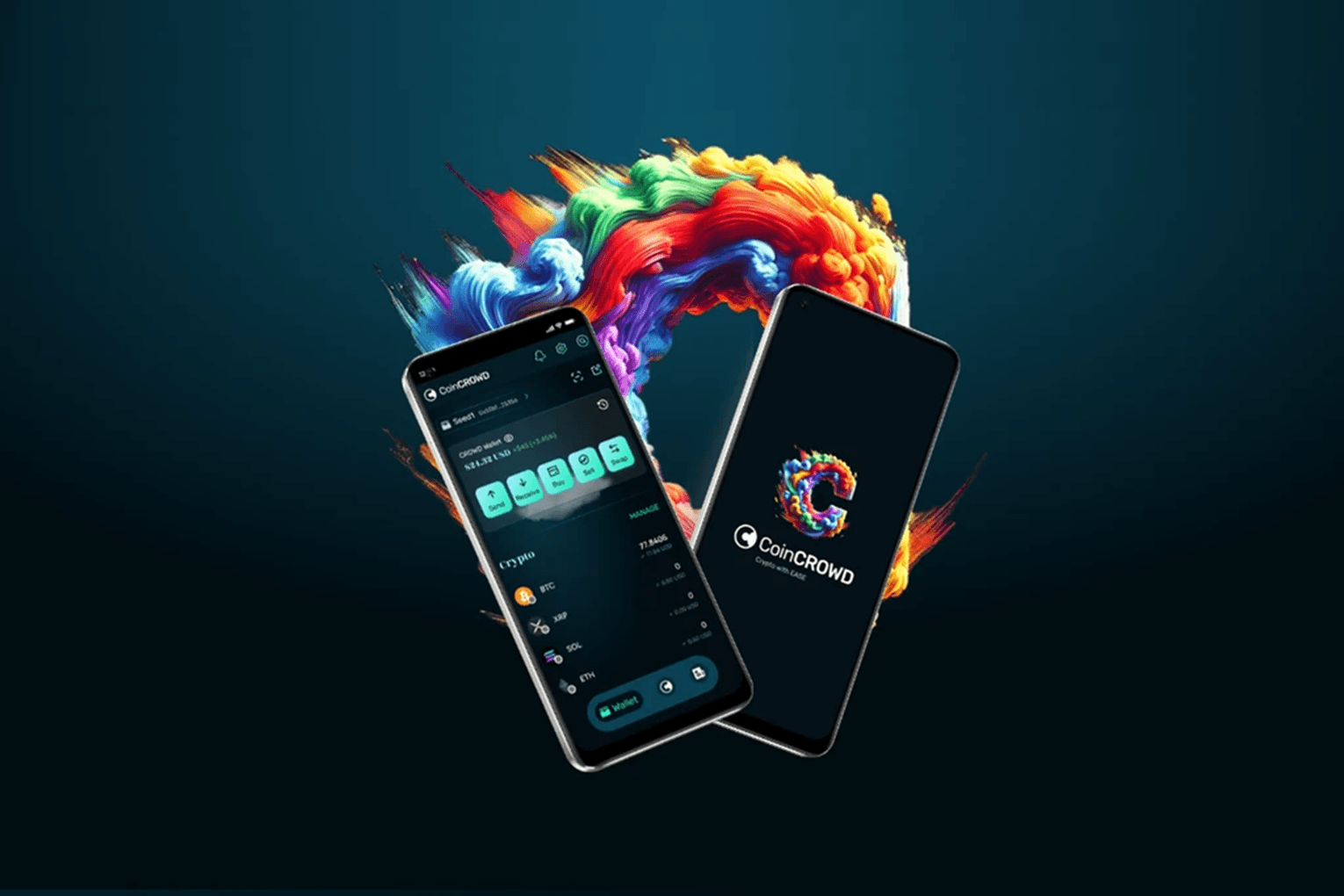
Building a seamless crypto wallet experience meant listening closely to what people actually need. From effortless onboarding to robust security and multi-chain support, we aimed to tackle the hurdles that often stop folks from diving into digital assets. Our in-house beta testing ensures we stay agile and user-focused, refining each update based on real-world usage. After all, if our wallet can make crypto feel less daunting and more inviting, then we’re one step closer to making digital assets accessible to everyone.
Let’s be honest: using crypto can feel intimidating. Whether you’re new or have been trading for a while, the processes of setting up wallets, managing private keys, and navigating clunky interfaces can quickly become overwhelming. We wanted to change that. From the outset, our team set out to build a crypto wallet experience that feels as straightforward as using a familiar app. In this article, we’ll walk through the insights that drove our approach and the steps we took to create a more user-friendly wallet.
Identifying the Pain Points
Before writing a single line of code, we spoke with a cross-section of the crypto community. Some were seasoned traders frustrated by jumping between different wallet apps, while others had never held Bitcoin and felt unsure about phrases like “gas fees.” A few common themes emerged:
Steep Learning Curve: People found the initial setup with seed phrases and backups too daunting.
Mixed User Needs: Advanced traders wanted multi-chain support, whereas newcomers just needed a simple way to hold and send tokens.
Trust & Security: Stories of hacks and lost private keys left users wary of how secure any wallet could truly be.
We realized our design had to cater to all experience levels—simplifying the basics without neglecting the flexibility power users demand.
Building on Core Principles
From these conversations, we identified three main pillars:
User-Centric Design
Our early prototypes were tested on small groups of both beginners and experts. If even one person found a button confusing or a label unclear, we’d revise it. The goal was minimal clutter and intuitive navigation, so the wallet would feel accessible to everyone.
Security & Trust
Every step—from how we store private keys to the login prompts—had to convey safety without overwhelming users. We added encrypted passcodes, biometric logins on compatible devices, and backup options that are clearly explained. That way, even if someone is brand-new to crypto, they know their assets are protected.
Multi-Chain Compatibility
People frequently hold tokens on different networks, so we integrated support for Ethereum, BNB, Solana, and more into a single dashboard. This decision stemmed directly from user feedback about juggling multiple wallets. Having a unified interface lessens the chance of mistakes and makes it easier to track everything at a glance.
Streamlining the User Flow
Armed with those principles, we focused on perfecting the wallet’s core actions:
Onboarding & Registration
One of the biggest hurdles is that early impression—if the setup is confusing, people might abandon ship. So we kept prompts simple and logical, with easy backups and optional social logins to lower the barrier.
Transaction Process
Sending or receiving tokens can be nerve-racking if the interface is unclear. We aimed for transparent fee estimates, large QR codes for scanning addresses, and a clear progress bar during transfers. This way, users always know what’s happening with their transaction.
Cross-Chain Transfers
Bridging assets from one chain to another manually can involve multiple steps and potential errors. We built an automated bridging mechanism right into the wallet, so you can swap or move tokens without hunting for third-party tools.
Ongoing Beta Testing and Future Enhancements
Even with these efforts, we see our wallet as a work in progress—crypto itself is always evolving, and so are user needs. That’s why we’re currently running an in-house beta testing phase, inviting a small group of dedicated users to try out new features and offer real-time feedback. Their input helps us fine-tune the interface, enhance security, and fix any bugs we might have missed in early prototypes.
Looking ahead, we plan to expand educational resources within the app (like built-in FAQs or short tutorials) and introduce deeper integrations for DeFi staking or NFT management. We believe these enhancements will bridge the gap between hardcore enthusiasts and newcomers who just want a simpler entry point into crypto. By combining user feedback with our own roadmap, we can ensure the wallet keeps pace with the dynamic crypto landscape.
Ready to Try Our CoinCROWD Wallet?
Building a seamless crypto wallet experience meant listening closely to what people actually need. From effortless onboarding to robust security and multi-chain support, we aimed to tackle the hurdles that often stop folks from diving into digital assets. Our in-house beta testing ensures we stay agile and user-focused, refining each update based on real-world usage. After all, if our wallet can make crypto feel less daunting and more inviting, then we’re one step closer to making digital assets accessible to everyone.
Let’s be honest: using crypto can feel intimidating. Whether you’re new or have been trading for a while, the processes of setting up wallets, managing private keys, and navigating clunky interfaces can quickly become overwhelming. We wanted to change that. From the outset, our team set out to build a crypto wallet experience that feels as straightforward as using a familiar app. In this article, we’ll walk through the insights that drove our approach and the steps we took to create a more user-friendly wallet.
Identifying the Pain Points
Before writing a single line of code, we spoke with a cross-section of the crypto community. Some were seasoned traders frustrated by jumping between different wallet apps, while others had never held Bitcoin and felt unsure about phrases like “gas fees.” A few common themes emerged:
Steep Learning Curve: People found the initial setup with seed phrases and backups too daunting.
Mixed User Needs: Advanced traders wanted multi-chain support, whereas newcomers just needed a simple way to hold and send tokens.
Trust & Security: Stories of hacks and lost private keys left users wary of how secure any wallet could truly be.
We realized our design had to cater to all experience levels—simplifying the basics without neglecting the flexibility power users demand.
Building on Core Principles
From these conversations, we identified three main pillars:
User-Centric Design
Our early prototypes were tested on small groups of both beginners and experts. If even one person found a button confusing or a label unclear, we’d revise it. The goal was minimal clutter and intuitive navigation, so the wallet would feel accessible to everyone.
Security & Trust
Every step—from how we store private keys to the login prompts—had to convey safety without overwhelming users. We added encrypted passcodes, biometric logins on compatible devices, and backup options that are clearly explained. That way, even if someone is brand-new to crypto, they know their assets are protected.
Multi-Chain Compatibility
People frequently hold tokens on different networks, so we integrated support for Ethereum, BNB, Solana, and more into a single dashboard. This decision stemmed directly from user feedback about juggling multiple wallets. Having a unified interface lessens the chance of mistakes and makes it easier to track everything at a glance.
Streamlining the User Flow
Armed with those principles, we focused on perfecting the wallet’s core actions:
Onboarding & Registration
One of the biggest hurdles is that early impression—if the setup is confusing, people might abandon ship. So we kept prompts simple and logical, with easy backups and optional social logins to lower the barrier.
Transaction Process
Sending or receiving tokens can be nerve-racking if the interface is unclear. We aimed for transparent fee estimates, large QR codes for scanning addresses, and a clear progress bar during transfers. This way, users always know what’s happening with their transaction.
Cross-Chain Transfers
Bridging assets from one chain to another manually can involve multiple steps and potential errors. We built an automated bridging mechanism right into the wallet, so you can swap or move tokens without hunting for third-party tools.
Ongoing Beta Testing and Future Enhancements
Even with these efforts, we see our wallet as a work in progress—crypto itself is always evolving, and so are user needs. That’s why we’re currently running an in-house beta testing phase, inviting a small group of dedicated users to try out new features and offer real-time feedback. Their input helps us fine-tune the interface, enhance security, and fix any bugs we might have missed in early prototypes.
Looking ahead, we plan to expand educational resources within the app (like built-in FAQs or short tutorials) and introduce deeper integrations for DeFi staking or NFT management. We believe these enhancements will bridge the gap between hardcore enthusiasts and newcomers who just want a simpler entry point into crypto. By combining user feedback with our own roadmap, we can ensure the wallet keeps pace with the dynamic crypto landscape.
Ready to Try Our CoinCROWD Wallet?
Building a seamless crypto wallet experience meant listening closely to what people actually need. From effortless onboarding to robust security and multi-chain support, we aimed to tackle the hurdles that often stop folks from diving into digital assets. Our in-house beta testing ensures we stay agile and user-focused, refining each update based on real-world usage. After all, if our wallet can make crypto feel less daunting and more inviting, then we’re one step closer to making digital assets accessible to everyone.

Your ultimate crypto wallet
Join our growing community for exclusive perks!
Your ultimate crypto wallet
Join our growing community for exclusive perks!
Your ultimate crypto wallet
Join our growing community for exclusive perks!
Your ultimate crypto wallet
Join our growing community for exclusive perks!
Your ultimate crypto wallet
Join our growing community for exclusive perks!
Your ultimate crypto wallet
Join our growing community for exclusive perks!