Binance to purge 14 tokens following ‘vote to delist’ process
Binance to purge 14 tokens following ‘vote to delist’ process
Binance to purge 14 tokens following ‘vote to delist’ process
Binance to purge 14 tokens following ‘vote to delist’ process
Binance to purge 14 tokens following ‘vote to delist’ process
Nidhi Rastogi
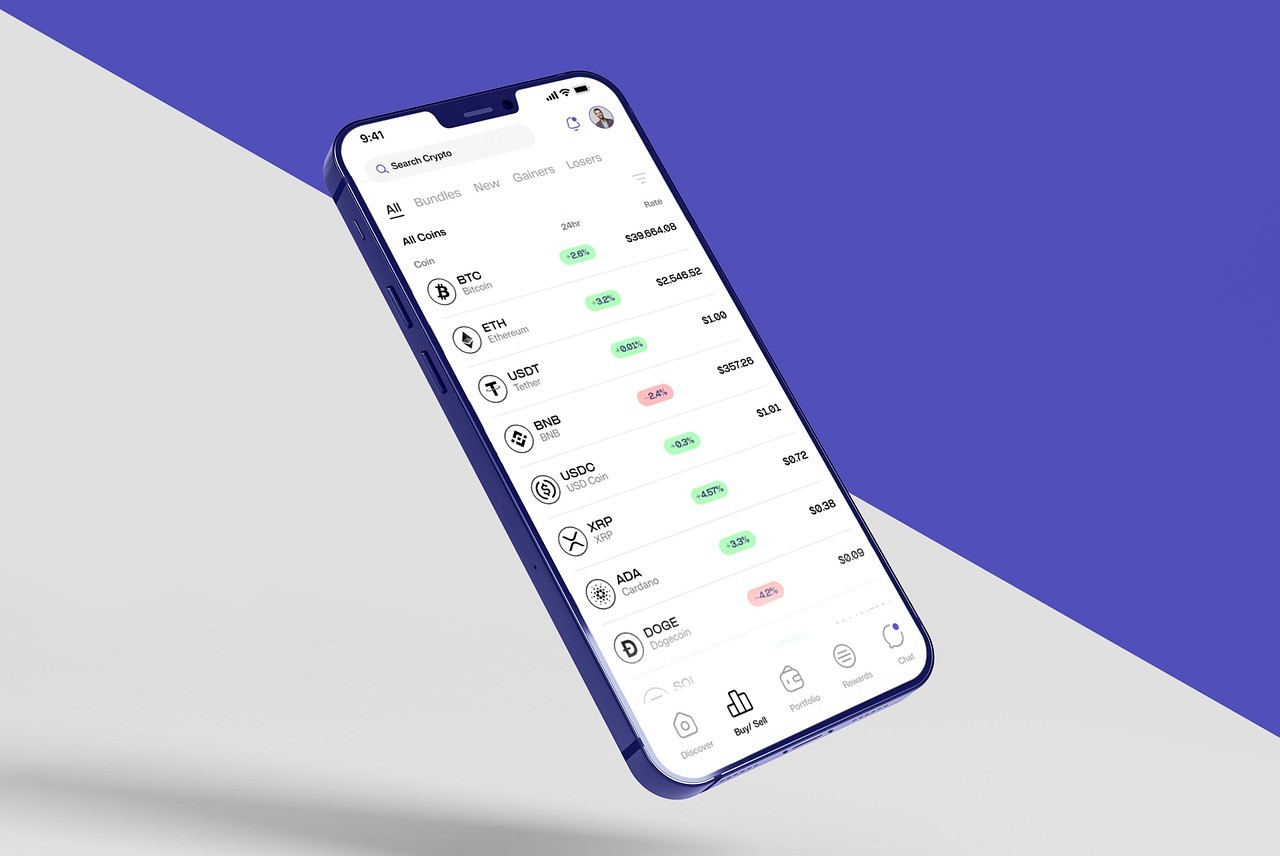
In the fast-paced world of crypto, adaptability is everything. Binance, the world’s largest cryptocurrency exchange by trading volume, has announced it will delist 14 tokens as a result of its community-driven ‘vote to delist’ process. This move marks another significant chapter in Binance’s ongoing mission to maintain a high-quality, safe trading environment for its users.
The crypto market thrives on participation and transparency. And in this case, the users have spoken. Through an open voting system, the community flagged several underperforming and questionable tokens, ultimately influencing Binance's decision to remove them. The decision also sheds light on Binance’s evolving token management policy — one that actively involves its users in shaping the platform’s ecosystem.
Let’s dive deeper into what this means, the reasons behind the purge, and how it affects traders and the broader market.
Why Binance is Delisting These Tokens
Binance isn’t new to token delistings. The exchange regularly reviews listed projects to ensure they meet specific operational, security, and trading volume standards. Here’s why these 14 tokens were put on the chopping block:
Key Factors for Delisting
Low Trading Volume: Tokens with consistently low liquidity pose a risk to traders.
Lack of Development Activity: Dormant projects often signal fading relevance or poor management.
Community Feedback: Negative sentiment, complaints, or trust issues flagged during the voting process.
Regulatory Risks: Tokens suspected of legal complications or poor compliance records.
Security Concerns: Involvement in scams, hacks, or frequent technical issues.
This purge reflects Binance’s proactive stance in protecting its users while maintaining a healthy, competitive market environment.
Which Tokens Are Being Removed?
Though Binance hasn’t officially disclosed all 14 names at the time of this writing, sources within the community suggest several lesser-known altcoins, including:
Tokens with limited use cases
Projects abandoned by their developers
Meme coins that failed to maintain momentum
Once confirmed, these tokens will be delisted from spot, futures, and margin trading pairs, with withdrawals allowed for a limited grace period.
How the ‘Vote to Delist’ Process Works
One of the standout aspects of this delisting event is Binance’s community-driven approach.
Here’s how it works:
Token Evaluation: Binance shortlists tokens under review based on internal metrics and concerns.
Community Voting: Users cast votes using their BNB (Binance Coin) holdings as voting power.
Decision & Announcement: Tokens receiving the highest delist votes are marked for removal.
Delisting Timeline: Binance notifies users, halts new trades, and facilitates final withdrawals.
By involving the community directly, Binance empowers its users to shape the trading environment they participate in — an increasingly important model in today’s decentralized economy.
What This Means for Crypto Traders
For traders, such delistings can be both a risk and an opportunity:
Market Volatility: Expect price swings before and after the delisting, as traders offload tokens.
Liquidity Risks: Holding delisted tokens can trap funds or reduce their market value.
Portfolio Clean-Up: It offers a chance for traders to reevaluate holdings and focus on more stable, promising projects.
If you’re holding any of these soon-to-be-delisted tokens, it’s wise to:
Review Binance’s official list once published
Close open positions
Withdraw assets before the final deadline
The Bigger Picture: Binance’s Commitment to Quality
This move underscores Binance’s quality-first approach to crypto trading. In 2023 alone, Binance conducted over 70 token reviews and delisted 20+ underperforming coins. As regulation tightens and the market matures, exchanges are under pressure to:
Prevent market manipulation
Protect investors from fraudulent projects
Improve overall platform reliability
Binance’s ‘vote to delist’ initiative signals a new era of community-led governance in crypto trading — where users have a real say in the platform’s ecosystem.
Conclusion: What’s Next for the Binance Community?
The delisting of 14 tokens via a public vote is more than just a regulatory clean-up — it’s a glimpse into the future of decentralized decision-making. Binance’s transparent, participatory approach allows users to influence the trading landscape and weed out bad actors or dying projects.
As the crypto market becomes more refined, trader participation and informed governance will be key. If you’re active on Binance or in the broader crypto world, staying involved in these voting processes could protect your investments and shape the platforms you use daily.
In the fast-paced world of crypto, adaptability is everything. Binance, the world’s largest cryptocurrency exchange by trading volume, has announced it will delist 14 tokens as a result of its community-driven ‘vote to delist’ process. This move marks another significant chapter in Binance’s ongoing mission to maintain a high-quality, safe trading environment for its users.
The crypto market thrives on participation and transparency. And in this case, the users have spoken. Through an open voting system, the community flagged several underperforming and questionable tokens, ultimately influencing Binance's decision to remove them. The decision also sheds light on Binance’s evolving token management policy — one that actively involves its users in shaping the platform’s ecosystem.
Let’s dive deeper into what this means, the reasons behind the purge, and how it affects traders and the broader market.
Why Binance is Delisting These Tokens
Binance isn’t new to token delistings. The exchange regularly reviews listed projects to ensure they meet specific operational, security, and trading volume standards. Here’s why these 14 tokens were put on the chopping block:
Key Factors for Delisting
Low Trading Volume: Tokens with consistently low liquidity pose a risk to traders.
Lack of Development Activity: Dormant projects often signal fading relevance or poor management.
Community Feedback: Negative sentiment, complaints, or trust issues flagged during the voting process.
Regulatory Risks: Tokens suspected of legal complications or poor compliance records.
Security Concerns: Involvement in scams, hacks, or frequent technical issues.
This purge reflects Binance’s proactive stance in protecting its users while maintaining a healthy, competitive market environment.
Which Tokens Are Being Removed?
Though Binance hasn’t officially disclosed all 14 names at the time of this writing, sources within the community suggest several lesser-known altcoins, including:
Tokens with limited use cases
Projects abandoned by their developers
Meme coins that failed to maintain momentum
Once confirmed, these tokens will be delisted from spot, futures, and margin trading pairs, with withdrawals allowed for a limited grace period.
How the ‘Vote to Delist’ Process Works
One of the standout aspects of this delisting event is Binance’s community-driven approach.
Here’s how it works:
Token Evaluation: Binance shortlists tokens under review based on internal metrics and concerns.
Community Voting: Users cast votes using their BNB (Binance Coin) holdings as voting power.
Decision & Announcement: Tokens receiving the highest delist votes are marked for removal.
Delisting Timeline: Binance notifies users, halts new trades, and facilitates final withdrawals.
By involving the community directly, Binance empowers its users to shape the trading environment they participate in — an increasingly important model in today’s decentralized economy.
What This Means for Crypto Traders
For traders, such delistings can be both a risk and an opportunity:
Market Volatility: Expect price swings before and after the delisting, as traders offload tokens.
Liquidity Risks: Holding delisted tokens can trap funds or reduce their market value.
Portfolio Clean-Up: It offers a chance for traders to reevaluate holdings and focus on more stable, promising projects.
If you’re holding any of these soon-to-be-delisted tokens, it’s wise to:
Review Binance’s official list once published
Close open positions
Withdraw assets before the final deadline
The Bigger Picture: Binance’s Commitment to Quality
This move underscores Binance’s quality-first approach to crypto trading. In 2023 alone, Binance conducted over 70 token reviews and delisted 20+ underperforming coins. As regulation tightens and the market matures, exchanges are under pressure to:
Prevent market manipulation
Protect investors from fraudulent projects
Improve overall platform reliability
Binance’s ‘vote to delist’ initiative signals a new era of community-led governance in crypto trading — where users have a real say in the platform’s ecosystem.
Conclusion: What’s Next for the Binance Community?
The delisting of 14 tokens via a public vote is more than just a regulatory clean-up — it’s a glimpse into the future of decentralized decision-making. Binance’s transparent, participatory approach allows users to influence the trading landscape and weed out bad actors or dying projects.
As the crypto market becomes more refined, trader participation and informed governance will be key. If you’re active on Binance or in the broader crypto world, staying involved in these voting processes could protect your investments and shape the platforms you use daily.
In the fast-paced world of crypto, adaptability is everything. Binance, the world’s largest cryptocurrency exchange by trading volume, has announced it will delist 14 tokens as a result of its community-driven ‘vote to delist’ process. This move marks another significant chapter in Binance’s ongoing mission to maintain a high-quality, safe trading environment for its users.
The crypto market thrives on participation and transparency. And in this case, the users have spoken. Through an open voting system, the community flagged several underperforming and questionable tokens, ultimately influencing Binance's decision to remove them. The decision also sheds light on Binance’s evolving token management policy — one that actively involves its users in shaping the platform’s ecosystem.
Let’s dive deeper into what this means, the reasons behind the purge, and how it affects traders and the broader market.
Why Binance is Delisting These Tokens
Binance isn’t new to token delistings. The exchange regularly reviews listed projects to ensure they meet specific operational, security, and trading volume standards. Here’s why these 14 tokens were put on the chopping block:
Key Factors for Delisting
Low Trading Volume: Tokens with consistently low liquidity pose a risk to traders.
Lack of Development Activity: Dormant projects often signal fading relevance or poor management.
Community Feedback: Negative sentiment, complaints, or trust issues flagged during the voting process.
Regulatory Risks: Tokens suspected of legal complications or poor compliance records.
Security Concerns: Involvement in scams, hacks, or frequent technical issues.
This purge reflects Binance’s proactive stance in protecting its users while maintaining a healthy, competitive market environment.
Which Tokens Are Being Removed?
Though Binance hasn’t officially disclosed all 14 names at the time of this writing, sources within the community suggest several lesser-known altcoins, including:
Tokens with limited use cases
Projects abandoned by their developers
Meme coins that failed to maintain momentum
Once confirmed, these tokens will be delisted from spot, futures, and margin trading pairs, with withdrawals allowed for a limited grace period.
How the ‘Vote to Delist’ Process Works
One of the standout aspects of this delisting event is Binance’s community-driven approach.
Here’s how it works:
Token Evaluation: Binance shortlists tokens under review based on internal metrics and concerns.
Community Voting: Users cast votes using their BNB (Binance Coin) holdings as voting power.
Decision & Announcement: Tokens receiving the highest delist votes are marked for removal.
Delisting Timeline: Binance notifies users, halts new trades, and facilitates final withdrawals.
By involving the community directly, Binance empowers its users to shape the trading environment they participate in — an increasingly important model in today’s decentralized economy.
What This Means for Crypto Traders
For traders, such delistings can be both a risk and an opportunity:
Market Volatility: Expect price swings before and after the delisting, as traders offload tokens.
Liquidity Risks: Holding delisted tokens can trap funds or reduce their market value.
Portfolio Clean-Up: It offers a chance for traders to reevaluate holdings and focus on more stable, promising projects.
If you’re holding any of these soon-to-be-delisted tokens, it’s wise to:
Review Binance’s official list once published
Close open positions
Withdraw assets before the final deadline
The Bigger Picture: Binance’s Commitment to Quality
This move underscores Binance’s quality-first approach to crypto trading. In 2023 alone, Binance conducted over 70 token reviews and delisted 20+ underperforming coins. As regulation tightens and the market matures, exchanges are under pressure to:
Prevent market manipulation
Protect investors from fraudulent projects
Improve overall platform reliability
Binance’s ‘vote to delist’ initiative signals a new era of community-led governance in crypto trading — where users have a real say in the platform’s ecosystem.
Conclusion: What’s Next for the Binance Community?
The delisting of 14 tokens via a public vote is more than just a regulatory clean-up — it’s a glimpse into the future of decentralized decision-making. Binance’s transparent, participatory approach allows users to influence the trading landscape and weed out bad actors or dying projects.
As the crypto market becomes more refined, trader participation and informed governance will be key. If you’re active on Binance or in the broader crypto world, staying involved in these voting processes could protect your investments and shape the platforms you use daily.

Your ultimate crypto wallet
Join our growing community for exclusive perks!
Your ultimate crypto wallet
Join our growing community for exclusive perks!
Your ultimate crypto wallet
Join our growing community for exclusive perks!
Your ultimate crypto wallet
Join our growing community for exclusive perks!
Your ultimate crypto wallet
Join our growing community for exclusive perks!
Your ultimate crypto wallet
Join our growing community for exclusive perks!