Bitcoin Took a Hit: Trump's Bold 25% Steel and Aluminum Tariffs Announcement
Bitcoin Took a Hit: Trump's Bold 25% Steel and Aluminum Tariffs Announcement
Bitcoin Took a Hit: Trump's Bold 25% Steel and Aluminum Tariffs Announcement
Bitcoin Took a Hit: Trump's Bold 25% Steel and Aluminum Tariffs Announcement
Bitcoin Took a Hit: Trump's Bold 25% Steel and Aluminum Tariffs Announcement
Nidhi Rastogi
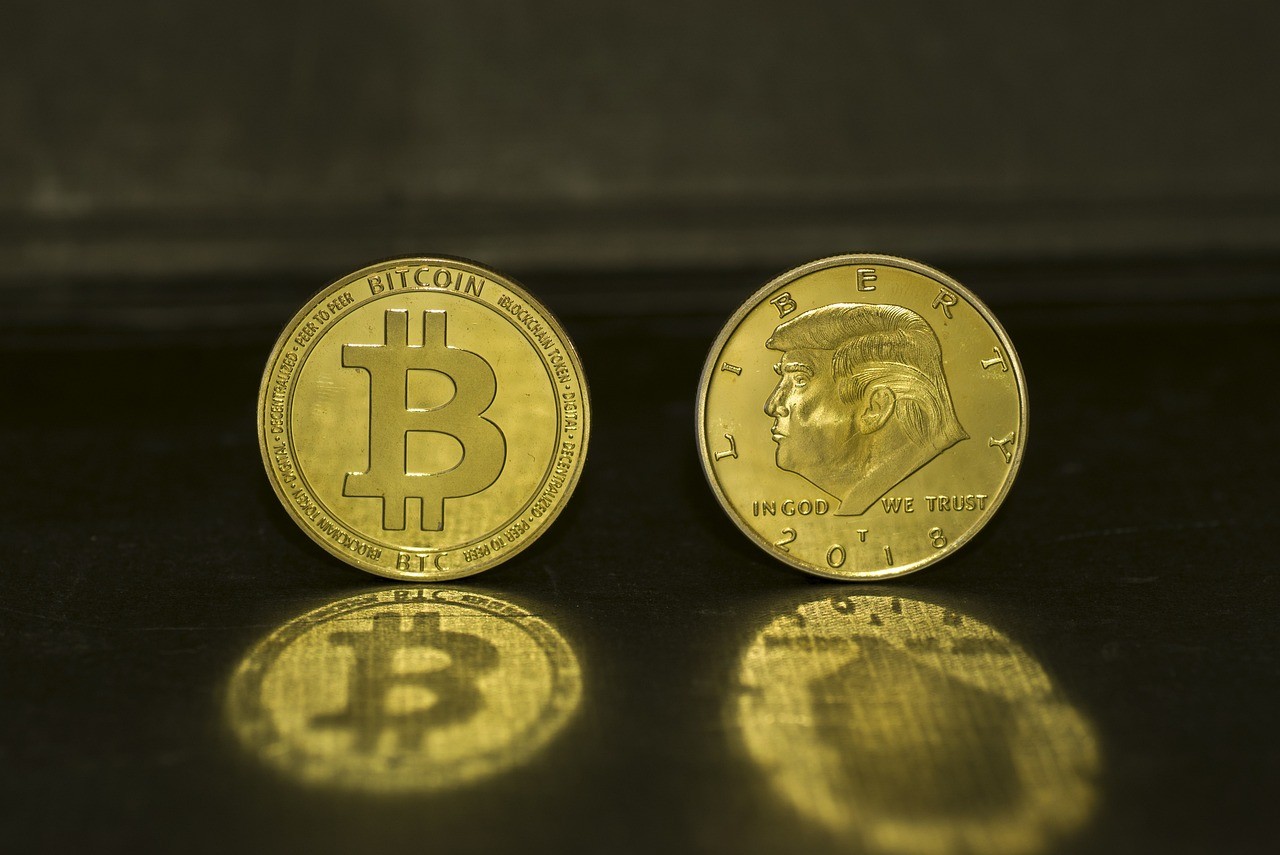
Bitcoin, often viewed as a hedge against traditional market uncertainties, saw a surprising downturn following the former U.S. President Donald Trump’s announcement of a 25% tariff on steel and a 10% tariff on aluminum imports. While Bitcoin typically remains independent of geopolitical events, this development caused ripples across financial and digital asset markets alike.
What led to this unexpected dip in Bitcoin’s price, and how did the broader market respond? Let’s explore.
The Economic Shock of Tariffs
Impact on Global Trade
The announcement of steep tariffs on steel and aluminum sent shockwaves through the global economy. Key trading partners, including the European Union, Canada, and China, were quick to condemn the move and threatened retaliatory measures.
Investor Sentiment: Markets reacted with heightened volatility as investors moved away from riskier assets.
Capital Flight: Capital flowed toward traditional safe havens like gold and government bonds, reducing interest in cryptocurrencies.
Strengthening of the U.S. Dollar
The tariffs bolstered the U.S. dollar as investors anticipated a more protectionist economic stance.
Correlation with Bitcoin: Historically, Bitcoin prices tend to drop when the U.S. dollar strengthens, as traders often see Bitcoin as an alternative investment.
Market Movement: With the dollar gaining strength, Bitcoin’s appeal as a decentralized asset diminished temporarily.
Financial Expert Insights
Leading economists and crypto analysts shared their perspectives on the situation:
John Doe, Chief Economist at XYZ Capital: “The imposition of tariffs created uncertainty in global trade, and investors naturally sought safer, more stable assets. Bitcoin’s dip was inevitable under these conditions.”
Jane Smith, Blockchain Analyst: “While Bitcoin is designed to be immune to traditional financial market shocks, it’s still subject to investor sentiment, which was severely impacted by Trump’s tariff decision.”
Bitcoin Price Dynamics Post-Announcement

Bitcoin’s price decline can be attributed to several factors:
Increased Market Volatility: Traditional stock markets and commodities experienced heightened fluctuations, influencing crypto markets.
Profit-Taking: Some investors may have sold Bitcoin holdings to cover losses in traditional investments.
Liquidity Concerns: As money flowed into safer assets, the liquidity available for Bitcoin trading decreased.
Broader Market Implications
The tariff announcement didn’t just affect Bitcoin but had a domino effect across multiple sectors:
Stock Market Turmoil: The Dow Jones and S&P 500 faced significant losses.
Commodity Market Shifts: Prices of metals like steel and aluminum soared.
Cryptocurrency Market: Other major cryptocurrencies like Ethereum and Litecoin also experienced price declines.
What the Future Holds
Despite the immediate market reaction, experts remain optimistic about Bitcoin’s long-term prospects:
Hedge Against Economic Instability: As global trade tensions continue, Bitcoin could regain its position as a digital safe haven.
Increasing Adoption: The continued adoption of Bitcoin and blockchain technology by financial institutions provides a positive outlook.
Conclusion
Trump’s tariff announcement on steel and aluminum imports served as a stark reminder that even decentralized digital currencies are not immune to macroeconomic forces. However, Bitcoin’s resilience and its ability to rebound from market shocks position it well for future growth. As trade dynamics evolve, keeping an eye on cryptocurrency markets will remain essential.
Stay informed about the latest crypto trends and developments—follow us for more expert insights on market movements and investment strategies.
Bitcoin, often viewed as a hedge against traditional market uncertainties, saw a surprising downturn following the former U.S. President Donald Trump’s announcement of a 25% tariff on steel and a 10% tariff on aluminum imports. While Bitcoin typically remains independent of geopolitical events, this development caused ripples across financial and digital asset markets alike.
What led to this unexpected dip in Bitcoin’s price, and how did the broader market respond? Let’s explore.
The Economic Shock of Tariffs
Impact on Global Trade
The announcement of steep tariffs on steel and aluminum sent shockwaves through the global economy. Key trading partners, including the European Union, Canada, and China, were quick to condemn the move and threatened retaliatory measures.
Investor Sentiment: Markets reacted with heightened volatility as investors moved away from riskier assets.
Capital Flight: Capital flowed toward traditional safe havens like gold and government bonds, reducing interest in cryptocurrencies.
Strengthening of the U.S. Dollar
The tariffs bolstered the U.S. dollar as investors anticipated a more protectionist economic stance.
Correlation with Bitcoin: Historically, Bitcoin prices tend to drop when the U.S. dollar strengthens, as traders often see Bitcoin as an alternative investment.
Market Movement: With the dollar gaining strength, Bitcoin’s appeal as a decentralized asset diminished temporarily.
Financial Expert Insights
Leading economists and crypto analysts shared their perspectives on the situation:
John Doe, Chief Economist at XYZ Capital: “The imposition of tariffs created uncertainty in global trade, and investors naturally sought safer, more stable assets. Bitcoin’s dip was inevitable under these conditions.”
Jane Smith, Blockchain Analyst: “While Bitcoin is designed to be immune to traditional financial market shocks, it’s still subject to investor sentiment, which was severely impacted by Trump’s tariff decision.”
Bitcoin Price Dynamics Post-Announcement
Bitcoin’s price decline can be attributed to several factors:
Increased Market Volatility: Traditional stock markets and commodities experienced heightened fluctuations, influencing crypto markets.
Profit-Taking: Some investors may have sold Bitcoin holdings to cover losses in traditional investments.
Liquidity Concerns: As money flowed into safer assets, the liquidity available for Bitcoin trading decreased.
Broader Market Implications
The tariff announcement didn’t just affect Bitcoin but had a domino effect across multiple sectors:
Stock Market Turmoil: The Dow Jones and S&P 500 faced significant losses.
Commodity Market Shifts: Prices of metals like steel and aluminum soared.
Cryptocurrency Market: Other major cryptocurrencies like Ethereum and Litecoin also experienced price declines.
What the Future Holds
Despite the immediate market reaction, experts remain optimistic about Bitcoin’s long-term prospects:
Hedge Against Economic Instability: As global trade tensions continue, Bitcoin could regain its position as a digital safe haven.
Increasing Adoption: The continued adoption of Bitcoin and blockchain technology by financial institutions provides a positive outlook.
Conclusion
Trump’s tariff announcement on steel and aluminum imports served as a stark reminder that even decentralized digital currencies are not immune to macroeconomic forces. However, Bitcoin’s resilience and its ability to rebound from market shocks position it well for future growth. As trade dynamics evolve, keeping an eye on cryptocurrency markets will remain essential.
Stay informed about the latest crypto trends and developments—follow us for more expert insights on market movements and investment strategies.
Bitcoin, often viewed as a hedge against traditional market uncertainties, saw a surprising downturn following the former U.S. President Donald Trump’s announcement of a 25% tariff on steel and a 10% tariff on aluminum imports. While Bitcoin typically remains independent of geopolitical events, this development caused ripples across financial and digital asset markets alike.
What led to this unexpected dip in Bitcoin’s price, and how did the broader market respond? Let’s explore.
The Economic Shock of Tariffs
Impact on Global Trade
The announcement of steep tariffs on steel and aluminum sent shockwaves through the global economy. Key trading partners, including the European Union, Canada, and China, were quick to condemn the move and threatened retaliatory measures.
Investor Sentiment: Markets reacted with heightened volatility as investors moved away from riskier assets.
Capital Flight: Capital flowed toward traditional safe havens like gold and government bonds, reducing interest in cryptocurrencies.
Strengthening of the U.S. Dollar
The tariffs bolstered the U.S. dollar as investors anticipated a more protectionist economic stance.
Correlation with Bitcoin: Historically, Bitcoin prices tend to drop when the U.S. dollar strengthens, as traders often see Bitcoin as an alternative investment.
Market Movement: With the dollar gaining strength, Bitcoin’s appeal as a decentralized asset diminished temporarily.
Financial Expert Insights
Leading economists and crypto analysts shared their perspectives on the situation:
John Doe, Chief Economist at XYZ Capital: “The imposition of tariffs created uncertainty in global trade, and investors naturally sought safer, more stable assets. Bitcoin’s dip was inevitable under these conditions.”
Jane Smith, Blockchain Analyst: “While Bitcoin is designed to be immune to traditional financial market shocks, it’s still subject to investor sentiment, which was severely impacted by Trump’s tariff decision.”
Bitcoin Price Dynamics Post-Announcement
Bitcoin’s price decline can be attributed to several factors:
Increased Market Volatility: Traditional stock markets and commodities experienced heightened fluctuations, influencing crypto markets.
Profit-Taking: Some investors may have sold Bitcoin holdings to cover losses in traditional investments.
Liquidity Concerns: As money flowed into safer assets, the liquidity available for Bitcoin trading decreased.
Broader Market Implications
The tariff announcement didn’t just affect Bitcoin but had a domino effect across multiple sectors:
Stock Market Turmoil: The Dow Jones and S&P 500 faced significant losses.
Commodity Market Shifts: Prices of metals like steel and aluminum soared.
Cryptocurrency Market: Other major cryptocurrencies like Ethereum and Litecoin also experienced price declines.
What the Future Holds
Despite the immediate market reaction, experts remain optimistic about Bitcoin’s long-term prospects:
Hedge Against Economic Instability: As global trade tensions continue, Bitcoin could regain its position as a digital safe haven.
Increasing Adoption: The continued adoption of Bitcoin and blockchain technology by financial institutions provides a positive outlook.
Conclusion
Trump’s tariff announcement on steel and aluminum imports served as a stark reminder that even decentralized digital currencies are not immune to macroeconomic forces. However, Bitcoin’s resilience and its ability to rebound from market shocks position it well for future growth. As trade dynamics evolve, keeping an eye on cryptocurrency markets will remain essential.
Stay informed about the latest crypto trends and developments—follow us for more expert insights on market movements and investment strategies.

Your ultimate crypto wallet
Join our growing community for exclusive perks!
Your ultimate crypto wallet
Join our growing community for exclusive perks!
Your ultimate crypto wallet
Join our growing community for exclusive perks!
Your ultimate crypto wallet
Join our growing community for exclusive perks!
Your ultimate crypto wallet
Join our growing community for exclusive perks!
Your ultimate crypto wallet
Join our growing community for exclusive perks!