Bull vs. Bear Markets: What They Mean for Bitcoin and Crypto
Bull vs. Bear Markets: What They Mean for Bitcoin and Crypto
Bull vs. Bear Markets: What They Mean for Bitcoin and Crypto
Bull vs. Bear Markets: What They Mean for Bitcoin and Crypto
Bull vs. Bear Markets: What They Mean for Bitcoin and Crypto
Shashank Kothari

The crypto world moves fast, and the market sentiment can shift from euphoric highs to fearful lows in the blink of an eye. These emotional tides are better known as bull and bear markets.
These are key concepts in both traditional finance and the volatile world of cryptocurrencies. Whether you're a curious beginner or a budding investor, understanding the difference between bull vs. bear market crypto trends is essential to navigating the space confidently.
Let’s break it down and explore what these cycles mean—especially for Bitcoin and the broader crypto ecosystem.
What Are Bull and Bear Markets?
Bull Market

A bull market is a financial term used to describe a period where prices are rising or are expected to rise. In crypto, a bull market is typically marked by:
Rising prices across Bitcoin and altcoins
Strong investor confidence and media buzz
Increased trading volume and liquidity
FOMO (fear of missing out) driving new users into the space
A classic bitcoin bull market can see prices multiply several times in just months. A notable example is Bitcoin’s run from $10,000 in September 2020 to nearly $65,000 by April 2021.
Bear Market

A bear market is the opposite—a period when prices fall 20% or more from recent highs and remain low for an extended time. For crypto, this means:
A decline in BTC and altcoin prices
Lower investor confidence and reduced media coverage
Decreased trading volumes
Panic selling and widespread losses
Understanding what is a bear market in crypto is crucial to long-term investing, as it tests both patience and strategy.
Historical Impact on Bitcoin and Crypto
Bitcoin in a Bull Market
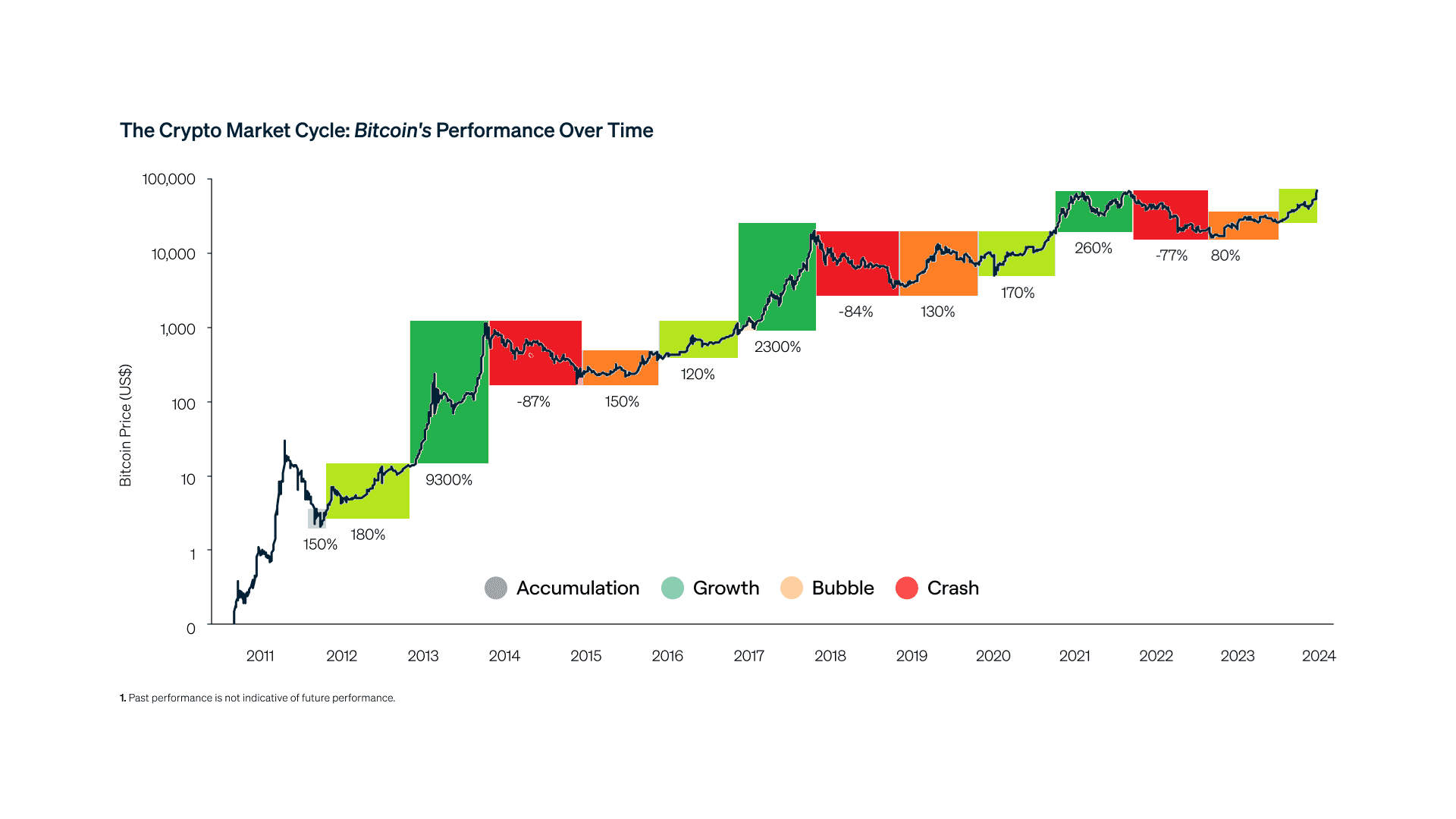
Bitcoin has experienced multiple bull runs—each one more explosive than the last. The 2017 rally pushed BTC to $20,000 for the first time, followed by the 2020–21 surge that saw new highs above $60,000.
During these crypto bull runs, we typically see:
Retail investors flooding in, often inspired by media hype
Institutional adoption, with companies like MicroStrategy and Tesla buying Bitcoin
Altcoins pumping, with Ethereum, Solana, and meme coins like Dogecoin gaining traction
Bitcoin in a Bear Market
Just as fast as it rises, Bitcoin can fall. Following its 2017 peak, Bitcoin dropped to around $3,000 by December 2018—a 70–80% decline, which is not unusual in crypto.
During these bear phases:
Trading activity drops, and many casual investors exit the market
Projects shut down, especially those lacking real utility or funding
We enter “crypto winter,” where innovation happens behind the scenes but prices stay cold
What Bull Markets Mean for Crypto?
Increased Mainstream Adoption: Bull markets often coincide with media attention and new users entering crypto. Companies launch products, governments start talking about regulation, and new investors come on board via platforms like Coinbase or Binance.
Token and Project Booms: DeFi, NFTs, and meme coins often rise to prominence during bull markets. While this drives innovation, it also attracts overvaluation and hype. Many projects gain attention not for utility, but momentum.
Institutional Entry: Bull markets bring credibility. Companies like Square, PayPal, and Tesla have all made moves during bull runs, contributing to market momentum and a sense of validation.
What Bear Markets Mean for Crypto?
Market Correction & Cleanup: Bear markets serve a purpose: they clean the slate. Projects without real value fade away, scammers exit the scene, and serious builders stay to innovate.
Innovation Behind the Scenes: Without the pressure of hype, teams focus on product development. For example, Ethereum’s shift to proof-of-stake and the growth of Layer 2 scaling solutions gained momentum during slower market periods.
Psychological Impact on Investors: It’s easy to feel defeated during a bear market. Fear dominates, and many sell at a loss. But smart investors use this time to reassess and deploy strategies like dollar-cost averaging (DCA)—investing set amounts regularly to minimize timing risk.

Strategies for Navigating Bull and Bear Markets
In a Bull Market
Take profits strategically—don’t wait for the absolute top
Avoid FOMO buying into overhyped tokens
Rebalance your portfolio—shift gains into more stable assets
In a Bear Market
Use DCA to accumulate assets gradually at lower prices
Do your research (DYOR)—focus on strong projects with real utility
Stay informed, but don’t panic—market cycles are natural in crypto
Conclusion
Understanding the difference between bull and bear market in cryptocurrency is foundational for anyone entering the space. These cycles are natural, and both offer opportunities—if you know how to approach them wisely.
Whether you're watching bitcoin bull market headlines or experiencing the anxiety of a downturn, remember: education and patience are your best tools.
The next time someone asks you, “How do bull and bear markets affect crypto investors?”—you’ll have a clear answer and a better strategy in hand.
The crypto world moves fast, and the market sentiment can shift from euphoric highs to fearful lows in the blink of an eye. These emotional tides are better known as bull and bear markets.
These are key concepts in both traditional finance and the volatile world of cryptocurrencies. Whether you're a curious beginner or a budding investor, understanding the difference between bull vs. bear market crypto trends is essential to navigating the space confidently.
Let’s break it down and explore what these cycles mean—especially for Bitcoin and the broader crypto ecosystem.
What Are Bull and Bear Markets?
Bull Market
A bull market is a financial term used to describe a period where prices are rising or are expected to rise. In crypto, a bull market is typically marked by:
Rising prices across Bitcoin and altcoins
Strong investor confidence and media buzz
Increased trading volume and liquidity
FOMO (fear of missing out) driving new users into the space
A classic bitcoin bull market can see prices multiply several times in just months. A notable example is Bitcoin’s run from $10,000 in September 2020 to nearly $65,000 by April 2021.
Bear Market
A bear market is the opposite—a period when prices fall 20% or more from recent highs and remain low for an extended time. For crypto, this means:
A decline in BTC and altcoin prices
Lower investor confidence and reduced media coverage
Decreased trading volumes
Panic selling and widespread losses
Understanding what is a bear market in crypto is crucial to long-term investing, as it tests both patience and strategy.
Historical Impact on Bitcoin and Crypto
Bitcoin in a Bull Market
Bitcoin has experienced multiple bull runs—each one more explosive than the last. The 2017 rally pushed BTC to $20,000 for the first time, followed by the 2020–21 surge that saw new highs above $60,000.
During these crypto bull runs, we typically see:
Retail investors flooding in, often inspired by media hype
Institutional adoption, with companies like MicroStrategy and Tesla buying Bitcoin
Altcoins pumping, with Ethereum, Solana, and meme coins like Dogecoin gaining traction
Bitcoin in a Bear Market
Just as fast as it rises, Bitcoin can fall. Following its 2017 peak, Bitcoin dropped to around $3,000 by December 2018—a 70–80% decline, which is not unusual in crypto.
During these bear phases:
Trading activity drops, and many casual investors exit the market
Projects shut down, especially those lacking real utility or funding
We enter “crypto winter,” where innovation happens behind the scenes but prices stay cold
What Bull Markets Mean for Crypto?
Increased Mainstream Adoption: Bull markets often coincide with media attention and new users entering crypto. Companies launch products, governments start talking about regulation, and new investors come on board via platforms like Coinbase or Binance.
Token and Project Booms: DeFi, NFTs, and meme coins often rise to prominence during bull markets. While this drives innovation, it also attracts overvaluation and hype. Many projects gain attention not for utility, but momentum.
Institutional Entry: Bull markets bring credibility. Companies like Square, PayPal, and Tesla have all made moves during bull runs, contributing to market momentum and a sense of validation.
What Bear Markets Mean for Crypto?
Market Correction & Cleanup: Bear markets serve a purpose: they clean the slate. Projects without real value fade away, scammers exit the scene, and serious builders stay to innovate.
Innovation Behind the Scenes: Without the pressure of hype, teams focus on product development. For example, Ethereum’s shift to proof-of-stake and the growth of Layer 2 scaling solutions gained momentum during slower market periods.
Psychological Impact on Investors: It’s easy to feel defeated during a bear market. Fear dominates, and many sell at a loss. But smart investors use this time to reassess and deploy strategies like dollar-cost averaging (DCA)—investing set amounts regularly to minimize timing risk.
Strategies for Navigating Bull and Bear Markets
In a Bull Market
Take profits strategically—don’t wait for the absolute top
Avoid FOMO buying into overhyped tokens
Rebalance your portfolio—shift gains into more stable assets
In a Bear Market
Use DCA to accumulate assets gradually at lower prices
Do your research (DYOR)—focus on strong projects with real utility
Stay informed, but don’t panic—market cycles are natural in crypto
Conclusion
Understanding the difference between bull and bear market in cryptocurrency is foundational for anyone entering the space. These cycles are natural, and both offer opportunities—if you know how to approach them wisely.
Whether you're watching bitcoin bull market headlines or experiencing the anxiety of a downturn, remember: education and patience are your best tools.
The next time someone asks you, “How do bull and bear markets affect crypto investors?”—you’ll have a clear answer and a better strategy in hand.
The crypto world moves fast, and the market sentiment can shift from euphoric highs to fearful lows in the blink of an eye. These emotional tides are better known as bull and bear markets.
These are key concepts in both traditional finance and the volatile world of cryptocurrencies. Whether you're a curious beginner or a budding investor, understanding the difference between bull vs. bear market crypto trends is essential to navigating the space confidently.
Let’s break it down and explore what these cycles mean—especially for Bitcoin and the broader crypto ecosystem.
What Are Bull and Bear Markets?
Bull Market
A bull market is a financial term used to describe a period where prices are rising or are expected to rise. In crypto, a bull market is typically marked by:
Rising prices across Bitcoin and altcoins
Strong investor confidence and media buzz
Increased trading volume and liquidity
FOMO (fear of missing out) driving new users into the space
A classic bitcoin bull market can see prices multiply several times in just months. A notable example is Bitcoin’s run from $10,000 in September 2020 to nearly $65,000 by April 2021.
Bear Market
A bear market is the opposite—a period when prices fall 20% or more from recent highs and remain low for an extended time. For crypto, this means:
A decline in BTC and altcoin prices
Lower investor confidence and reduced media coverage
Decreased trading volumes
Panic selling and widespread losses
Understanding what is a bear market in crypto is crucial to long-term investing, as it tests both patience and strategy.
Historical Impact on Bitcoin and Crypto
Bitcoin in a Bull Market
Bitcoin has experienced multiple bull runs—each one more explosive than the last. The 2017 rally pushed BTC to $20,000 for the first time, followed by the 2020–21 surge that saw new highs above $60,000.
During these crypto bull runs, we typically see:
Retail investors flooding in, often inspired by media hype
Institutional adoption, with companies like MicroStrategy and Tesla buying Bitcoin
Altcoins pumping, with Ethereum, Solana, and meme coins like Dogecoin gaining traction
Bitcoin in a Bear Market
Just as fast as it rises, Bitcoin can fall. Following its 2017 peak, Bitcoin dropped to around $3,000 by December 2018—a 70–80% decline, which is not unusual in crypto.
During these bear phases:
Trading activity drops, and many casual investors exit the market
Projects shut down, especially those lacking real utility or funding
We enter “crypto winter,” where innovation happens behind the scenes but prices stay cold
What Bull Markets Mean for Crypto?
Increased Mainstream Adoption: Bull markets often coincide with media attention and new users entering crypto. Companies launch products, governments start talking about regulation, and new investors come on board via platforms like Coinbase or Binance.
Token and Project Booms: DeFi, NFTs, and meme coins often rise to prominence during bull markets. While this drives innovation, it also attracts overvaluation and hype. Many projects gain attention not for utility, but momentum.
Institutional Entry: Bull markets bring credibility. Companies like Square, PayPal, and Tesla have all made moves during bull runs, contributing to market momentum and a sense of validation.
What Bear Markets Mean for Crypto?
Market Correction & Cleanup: Bear markets serve a purpose: they clean the slate. Projects without real value fade away, scammers exit the scene, and serious builders stay to innovate.
Innovation Behind the Scenes: Without the pressure of hype, teams focus on product development. For example, Ethereum’s shift to proof-of-stake and the growth of Layer 2 scaling solutions gained momentum during slower market periods.
Psychological Impact on Investors: It’s easy to feel defeated during a bear market. Fear dominates, and many sell at a loss. But smart investors use this time to reassess and deploy strategies like dollar-cost averaging (DCA)—investing set amounts regularly to minimize timing risk.
Strategies for Navigating Bull and Bear Markets
In a Bull Market
Take profits strategically—don’t wait for the absolute top
Avoid FOMO buying into overhyped tokens
Rebalance your portfolio—shift gains into more stable assets
In a Bear Market
Use DCA to accumulate assets gradually at lower prices
Do your research (DYOR)—focus on strong projects with real utility
Stay informed, but don’t panic—market cycles are natural in crypto
Conclusion
Understanding the difference between bull and bear market in cryptocurrency is foundational for anyone entering the space. These cycles are natural, and both offer opportunities—if you know how to approach them wisely.
Whether you're watching bitcoin bull market headlines or experiencing the anxiety of a downturn, remember: education and patience are your best tools.
The next time someone asks you, “How do bull and bear markets affect crypto investors?”—you’ll have a clear answer and a better strategy in hand.

Your ultimate crypto wallet
Join our growing community for exclusive perks!
Your ultimate crypto wallet
Join our growing community for exclusive perks!
Your ultimate crypto wallet
Join our growing community for exclusive perks!
Your ultimate crypto wallet
Join our growing community for exclusive perks!
Your ultimate crypto wallet
Join our growing community for exclusive perks!
Your ultimate crypto wallet
Join our growing community for exclusive perks!