Coinbase Is Lobbying to Stall Stablecoin Bills in Congress—Here's Why
Coinbase Is Lobbying to Stall Stablecoin Bills in Congress—Here's Why
Coinbase Is Lobbying to Stall Stablecoin Bills in Congress—Here's Why
Coinbase Is Lobbying to Stall Stablecoin Bills in Congress—Here's Why
Coinbase Is Lobbying to Stall Stablecoin Bills in Congress—Here's Why
Nidhi Rastogi

In the ever-evolving world of cryptocurrency, regulation is the next big frontier. Recently, Coinbase, America’s largest crypto exchange, has been actively lobbying Congress — but not to speed up regulation. Surprisingly, it’s doing the opposite: pushing to stall stablecoin legislation.
Why would a company that’s long advocated for clearer crypto rules suddenly pump the brakes? The answer reveals the complex dance between innovation, regulation, and survival in the fast-moving world of digital assets.
Let’s dive into the full story — and what it means for the future of crypto in the U.S.
What’s Happening: Coinbase’s Lobbying Efforts
Over the past few months, Coinbase has been quietly but aggressively lobbying Congress to delay or heavily amend pending stablecoin bills.
These bills aim to create a federal framework for stablecoins — cryptocurrencies like USDC and Tether that are pegged to the U.S. dollar.
Coinbase’s lobbying efforts have included:
Direct meetings with lawmakers and staff on key financial committees.
Funding political action groups to push a pro-crypto message.
Public statements emphasizing “innovation-first” policies.
One surprising twist: Coinbase isn't fighting against regulation in general. It’s fighting specific provisions it believes would favor big banks and squeeze out crypto-native firms.
Why Is Coinbase Pushing Back?
At first glance, Coinbase’s actions seem contradictory. After all, they’ve often asked for regulatory clarity. But a closer look reveals several reasons:
1. Fear of a Banking Monopoly
The current drafts of stablecoin legislation propose that only banks or heavily bank-like entities can issue stablecoins.
If passed, that would force crypto companies like Coinbase to either:
Partner with a traditional bank, losing independence.
Apply for expensive and slow banking licenses.
This could leave the stablecoin market — which today is dominated by crypto firms — controlled by Wall Street giants instead.
2. Protecting USDC and Crypto Innovation
Coinbase has a deep partnership with Circle, the issuer of USDC — the second-largest stablecoin globally.
If the proposed laws heavily restrict non-bank issuers, USDC’s business could suffer, directly impacting Coinbase’s revenue and ecosystem growth.
"We want thoughtful regulation, not legislation that kills innovation before it can flourish," a Coinbase spokesperson recently said.
3. Strategic Delay for Better Terms
By slowing the bills down, Coinbase hopes to:
Influence the final language of the bills to be more crypto-friendly.
Buy time to strengthen its own financial services arm.
Build public support around crypto-friendly regulation before new laws are finalized.
How Stablecoins Are Central to Coinbase’s Future
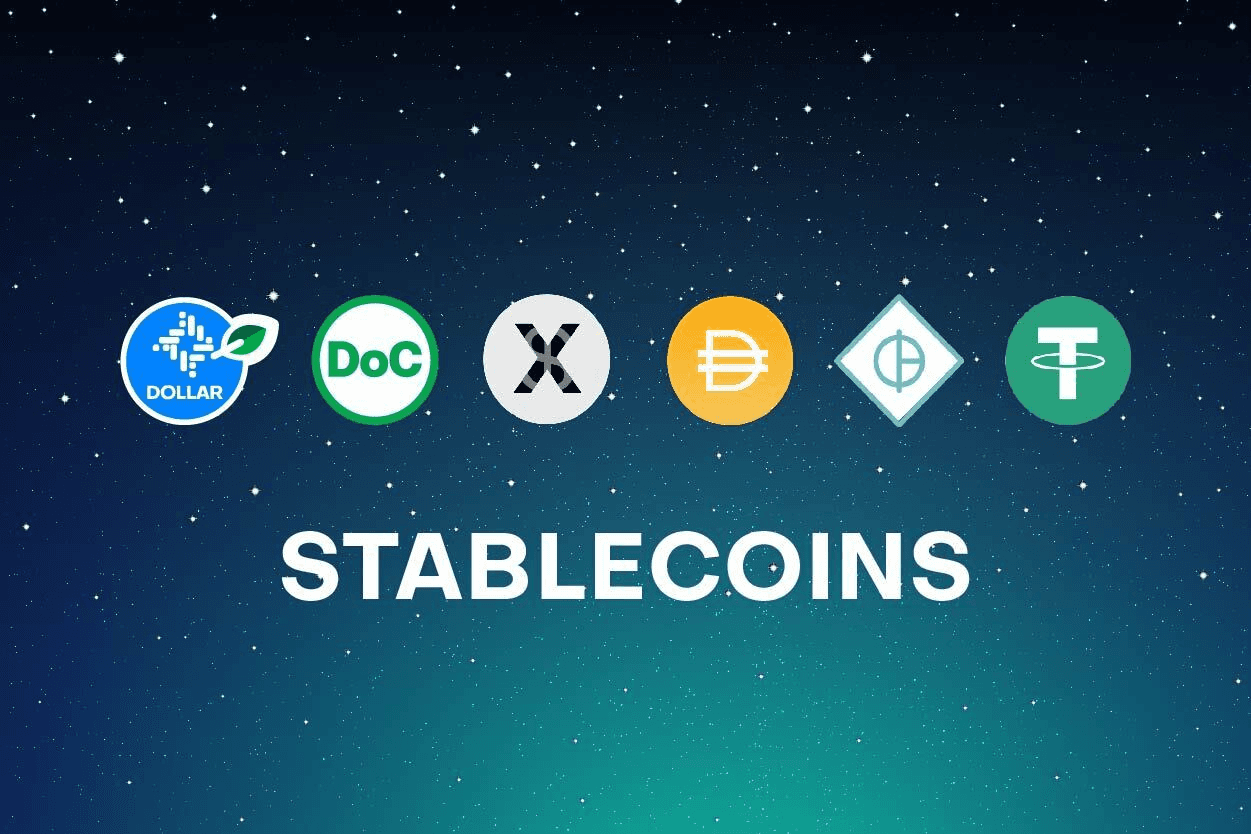
Stablecoins might seem like a side hustle compared to Bitcoin or Ethereum trading, but for Coinbase, they’re critical infrastructure.
Stablecoins power:
Crypto trading pairs (e.g., BTC/USDC).
DeFi applications and staking rewards.
Global payments that bypass traditional banking rails.
Coinbase’s financial success increasingly relies on fees from stablecoin-related services and interest income from stablecoin reserves.
Some recent stats:
Coinbase earned over $170 million in stablecoin-related interest income in Q4 2024.
USDC volumes on Coinbase grew 35% year-over-year.
Without easy access to a healthy, crypto-native stablecoin ecosystem, Coinbase’s long-term profitability could be at risk.
The Broader Crypto Regulation Battle
Coinbase’s lobbying is part of a larger trend:
Crypto companies are no longer just tech startups — they’re political players too.
Other examples include:
Ripple’s intense lobbying during its SEC battle.
Kraken’s fight for state-level banking charters.
Binance.US hiring former regulators to improve its D.C. image.
It’s clear that the future of crypto will be shaped as much in Washington as it is in Silicon Valley.
Conclusion: A Fight for Crypto’s Future
Coinbase’s push to stall stablecoin legislation isn’t about avoiding rules altogether. It’s about ensuring crypto-native companies can survive and thrive alongside traditional financial giants.
The stablecoin bills will eventually pass — but what form they take could determine whether the future of money stays decentralized, or simply moves from Wall Street 1.0 to Wall Street 2.0.
In the ever-evolving world of cryptocurrency, regulation is the next big frontier. Recently, Coinbase, America’s largest crypto exchange, has been actively lobbying Congress — but not to speed up regulation. Surprisingly, it’s doing the opposite: pushing to stall stablecoin legislation.
Why would a company that’s long advocated for clearer crypto rules suddenly pump the brakes? The answer reveals the complex dance between innovation, regulation, and survival in the fast-moving world of digital assets.
Let’s dive into the full story — and what it means for the future of crypto in the U.S.
What’s Happening: Coinbase’s Lobbying Efforts
Over the past few months, Coinbase has been quietly but aggressively lobbying Congress to delay or heavily amend pending stablecoin bills.
These bills aim to create a federal framework for stablecoins — cryptocurrencies like USDC and Tether that are pegged to the U.S. dollar.
Coinbase’s lobbying efforts have included:
Direct meetings with lawmakers and staff on key financial committees.
Funding political action groups to push a pro-crypto message.
Public statements emphasizing “innovation-first” policies.
One surprising twist: Coinbase isn't fighting against regulation in general. It’s fighting specific provisions it believes would favor big banks and squeeze out crypto-native firms.
Why Is Coinbase Pushing Back?
At first glance, Coinbase’s actions seem contradictory. After all, they’ve often asked for regulatory clarity. But a closer look reveals several reasons:
1. Fear of a Banking Monopoly
The current drafts of stablecoin legislation propose that only banks or heavily bank-like entities can issue stablecoins.
If passed, that would force crypto companies like Coinbase to either:
Partner with a traditional bank, losing independence.
Apply for expensive and slow banking licenses.
This could leave the stablecoin market — which today is dominated by crypto firms — controlled by Wall Street giants instead.
2. Protecting USDC and Crypto Innovation
Coinbase has a deep partnership with Circle, the issuer of USDC — the second-largest stablecoin globally.
If the proposed laws heavily restrict non-bank issuers, USDC’s business could suffer, directly impacting Coinbase’s revenue and ecosystem growth.
"We want thoughtful regulation, not legislation that kills innovation before it can flourish," a Coinbase spokesperson recently said.
3. Strategic Delay for Better Terms
By slowing the bills down, Coinbase hopes to:
Influence the final language of the bills to be more crypto-friendly.
Buy time to strengthen its own financial services arm.
Build public support around crypto-friendly regulation before new laws are finalized.
How Stablecoins Are Central to Coinbase’s Future
Stablecoins might seem like a side hustle compared to Bitcoin or Ethereum trading, but for Coinbase, they’re critical infrastructure.
Stablecoins power:
Crypto trading pairs (e.g., BTC/USDC).
DeFi applications and staking rewards.
Global payments that bypass traditional banking rails.
Coinbase’s financial success increasingly relies on fees from stablecoin-related services and interest income from stablecoin reserves.
Some recent stats:
Coinbase earned over $170 million in stablecoin-related interest income in Q4 2024.
USDC volumes on Coinbase grew 35% year-over-year.
Without easy access to a healthy, crypto-native stablecoin ecosystem, Coinbase’s long-term profitability could be at risk.
The Broader Crypto Regulation Battle
Coinbase’s lobbying is part of a larger trend:
Crypto companies are no longer just tech startups — they’re political players too.
Other examples include:
Ripple’s intense lobbying during its SEC battle.
Kraken’s fight for state-level banking charters.
Binance.US hiring former regulators to improve its D.C. image.
It’s clear that the future of crypto will be shaped as much in Washington as it is in Silicon Valley.
Conclusion: A Fight for Crypto’s Future
Coinbase’s push to stall stablecoin legislation isn’t about avoiding rules altogether. It’s about ensuring crypto-native companies can survive and thrive alongside traditional financial giants.
The stablecoin bills will eventually pass — but what form they take could determine whether the future of money stays decentralized, or simply moves from Wall Street 1.0 to Wall Street 2.0.
In the ever-evolving world of cryptocurrency, regulation is the next big frontier. Recently, Coinbase, America’s largest crypto exchange, has been actively lobbying Congress — but not to speed up regulation. Surprisingly, it’s doing the opposite: pushing to stall stablecoin legislation.
Why would a company that’s long advocated for clearer crypto rules suddenly pump the brakes? The answer reveals the complex dance between innovation, regulation, and survival in the fast-moving world of digital assets.
Let’s dive into the full story — and what it means for the future of crypto in the U.S.
What’s Happening: Coinbase’s Lobbying Efforts
Over the past few months, Coinbase has been quietly but aggressively lobbying Congress to delay or heavily amend pending stablecoin bills.
These bills aim to create a federal framework for stablecoins — cryptocurrencies like USDC and Tether that are pegged to the U.S. dollar.
Coinbase’s lobbying efforts have included:
Direct meetings with lawmakers and staff on key financial committees.
Funding political action groups to push a pro-crypto message.
Public statements emphasizing “innovation-first” policies.
One surprising twist: Coinbase isn't fighting against regulation in general. It’s fighting specific provisions it believes would favor big banks and squeeze out crypto-native firms.
Why Is Coinbase Pushing Back?
At first glance, Coinbase’s actions seem contradictory. After all, they’ve often asked for regulatory clarity. But a closer look reveals several reasons:
1. Fear of a Banking Monopoly
The current drafts of stablecoin legislation propose that only banks or heavily bank-like entities can issue stablecoins.
If passed, that would force crypto companies like Coinbase to either:
Partner with a traditional bank, losing independence.
Apply for expensive and slow banking licenses.
This could leave the stablecoin market — which today is dominated by crypto firms — controlled by Wall Street giants instead.
2. Protecting USDC and Crypto Innovation
Coinbase has a deep partnership with Circle, the issuer of USDC — the second-largest stablecoin globally.
If the proposed laws heavily restrict non-bank issuers, USDC’s business could suffer, directly impacting Coinbase’s revenue and ecosystem growth.
"We want thoughtful regulation, not legislation that kills innovation before it can flourish," a Coinbase spokesperson recently said.
3. Strategic Delay for Better Terms
By slowing the bills down, Coinbase hopes to:
Influence the final language of the bills to be more crypto-friendly.
Buy time to strengthen its own financial services arm.
Build public support around crypto-friendly regulation before new laws are finalized.
How Stablecoins Are Central to Coinbase’s Future
Stablecoins might seem like a side hustle compared to Bitcoin or Ethereum trading, but for Coinbase, they’re critical infrastructure.
Stablecoins power:
Crypto trading pairs (e.g., BTC/USDC).
DeFi applications and staking rewards.
Global payments that bypass traditional banking rails.
Coinbase’s financial success increasingly relies on fees from stablecoin-related services and interest income from stablecoin reserves.
Some recent stats:
Coinbase earned over $170 million in stablecoin-related interest income in Q4 2024.
USDC volumes on Coinbase grew 35% year-over-year.
Without easy access to a healthy, crypto-native stablecoin ecosystem, Coinbase’s long-term profitability could be at risk.
The Broader Crypto Regulation Battle
Coinbase’s lobbying is part of a larger trend:
Crypto companies are no longer just tech startups — they’re political players too.
Other examples include:
Ripple’s intense lobbying during its SEC battle.
Kraken’s fight for state-level banking charters.
Binance.US hiring former regulators to improve its D.C. image.
It’s clear that the future of crypto will be shaped as much in Washington as it is in Silicon Valley.
Conclusion: A Fight for Crypto’s Future
Coinbase’s push to stall stablecoin legislation isn’t about avoiding rules altogether. It’s about ensuring crypto-native companies can survive and thrive alongside traditional financial giants.
The stablecoin bills will eventually pass — but what form they take could determine whether the future of money stays decentralized, or simply moves from Wall Street 1.0 to Wall Street 2.0.

Your ultimate crypto wallet
Join our growing community for exclusive perks!
Your ultimate crypto wallet
Join our growing community for exclusive perks!
Your ultimate crypto wallet
Join our growing community for exclusive perks!
Your ultimate crypto wallet
Join our growing community for exclusive perks!
Your ultimate crypto wallet
Join our growing community for exclusive perks!
Your ultimate crypto wallet
Join our growing community for exclusive perks!