Crypto Market Faces Turbulence as Trump's Trade War Intensifies
Crypto Market Faces Turbulence as Trump's Trade War Intensifies
Crypto Market Faces Turbulence as Trump's Trade War Intensifies
Crypto Market Faces Turbulence as Trump's Trade War Intensifies
Crypto Market Faces Turbulence as Trump's Trade War Intensifies
Nidhi Rastogi
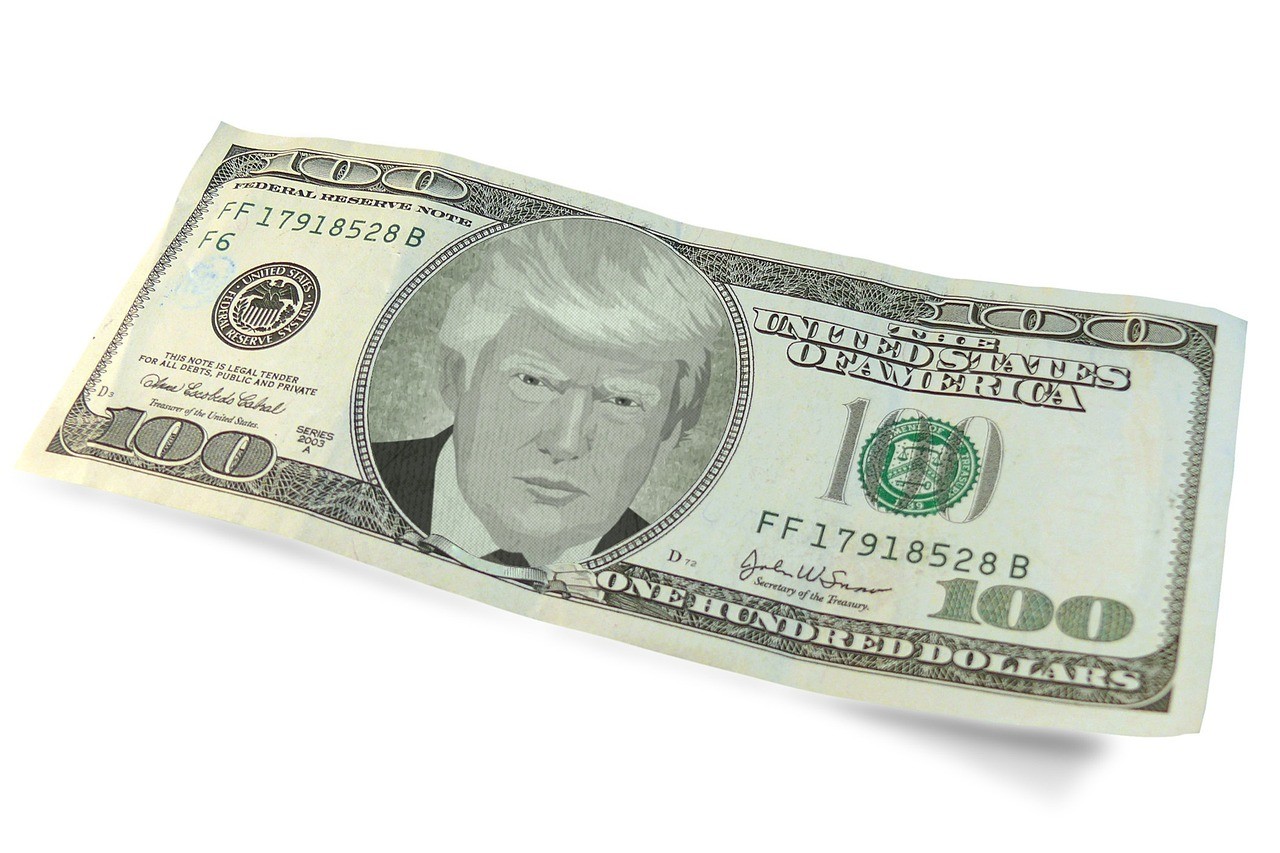
The global crypto market has entered a phase of heightened turbulence as former President Donald Trump's trade war reignites tensions between the United States and major economic powers. With traditional markets reacting unfavorably to increased tariffs and political instability, cryptocurrencies, often seen as a hedge against economic uncertainty, have not remained immune.
In this article, we explore how Trump's trade policies are influencing the digital asset landscape and what experts are saying about the future of crypto investments.
Trade War Impact on Crypto Prices
Bitcoin and Ethereum Volatility
The prices of major cryptocurrencies such as Bitcoin (BTC) and Ethereum (ETH) have experienced sharp fluctuations following recent trade war developments. After a brief rally in response to geopolitical uncertainty, Bitcoin’s value dropped by nearly 10% within two weeks, falling below critical support levels.
Investor Sentiment
Uncertainty stemming from intensified trade measures has pushed both retail and institutional investors into risk-averse modes. According to a report by CoinDesk, trading volumes on popular exchanges like Binance and Coinbase declined by 15% during the heightened tariff announcement period.
Expert Comment: “The crypto market’s recent volatility reflects broader macroeconomic concerns. While digital assets are often touted as safe havens, they remain susceptible to global market sentiment,” says crypto analyst Jessica Freeman.
Economic Uncertainty and Crypto Adoption
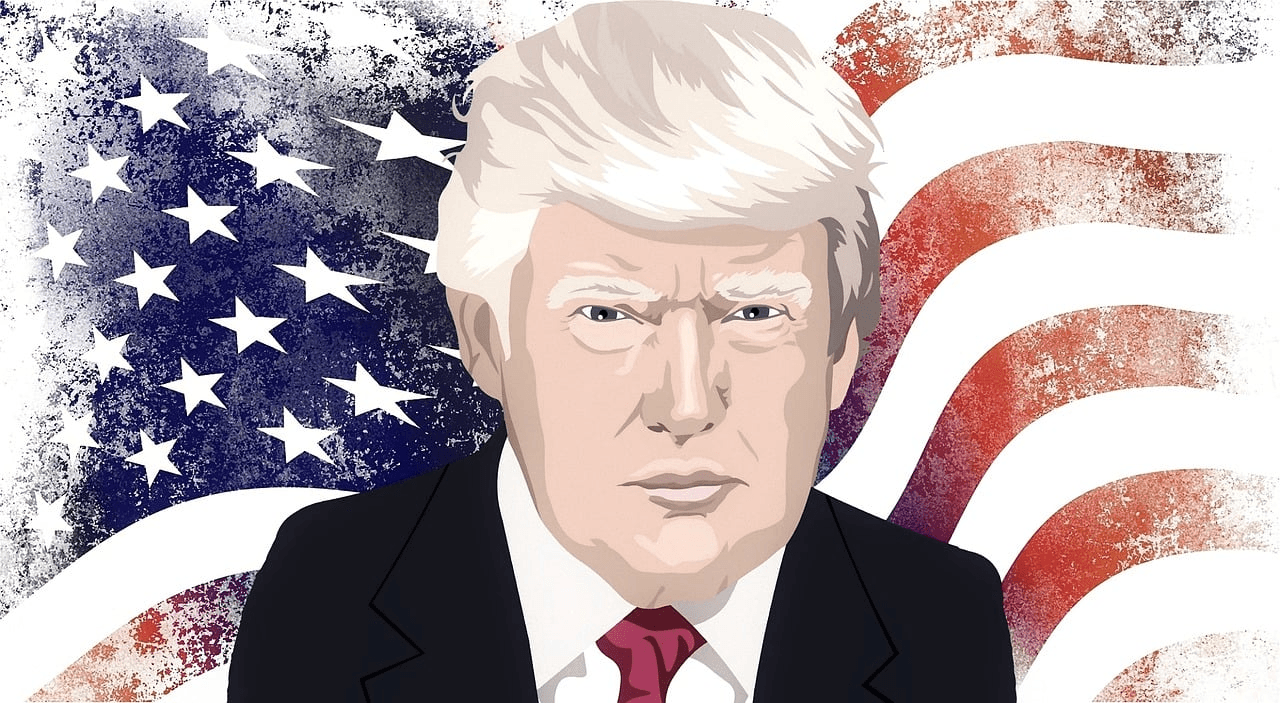
Search for Safe Havens
As traditional investment options falter, some investors are turning to stablecoins like USDT (Tether) and USDC (USD Coin) to preserve value. Data from CryptoCompare shows a 25% surge in stablecoin transactions during the past month.
Bullet Points:
Gold prices rose by 8% over the same period.
Fiat currency volatility in emerging markets increased due to trade war ripples.
Government Regulations
The renewed trade war has also fueled discussions about stricter government regulations on cryptocurrency trading. The U.S. Treasury is reportedly considering new measures to monitor crypto transactions more closely in light of economic disruptions.
Expert Comment: “If regulatory pressures increase, we may see a temporary setback for crypto adoption in the U.S. However, this could also spur innovation in decentralized finance solutions,” notes blockchain consultant Alex Roberts.
Geopolitical Reactions

China’s Crypto Strategy
China, a central player in Trump's trade war, has doubled down on its efforts to promote the digital yuan as an alternative to the dollar-dominated financial system. Analysts suggest that geopolitical tensions could accelerate China’s digital currency adoption strategy.
European Union’s Stance The European Central Bank (ECB) has urged caution but remains open to exploring the role of digital currencies in stabilizing the economy during geopolitical crises.
Conclusion
The crypto market’s reaction to Trump's intensified trade war underscores the sector’s vulnerability to external economic forces. While digital assets offer promise as an alternative financial system, they remain intertwined with global macroeconomic trends.
Looking ahead, market participants should closely monitor developments in trade policies and government regulations to make informed investment decisions. As the landscape evolves, staying updated on crypto news and expert insights will be critical.
CTA: Stay informed about the latest developments in crypto and global finance. Explore reliable resources and expert insights to navigate market turbulence effectively.
The global crypto market has entered a phase of heightened turbulence as former President Donald Trump's trade war reignites tensions between the United States and major economic powers. With traditional markets reacting unfavorably to increased tariffs and political instability, cryptocurrencies, often seen as a hedge against economic uncertainty, have not remained immune.
In this article, we explore how Trump's trade policies are influencing the digital asset landscape and what experts are saying about the future of crypto investments.
Trade War Impact on Crypto Prices
Bitcoin and Ethereum Volatility
The prices of major cryptocurrencies such as Bitcoin (BTC) and Ethereum (ETH) have experienced sharp fluctuations following recent trade war developments. After a brief rally in response to geopolitical uncertainty, Bitcoin’s value dropped by nearly 10% within two weeks, falling below critical support levels.
Investor Sentiment
Uncertainty stemming from intensified trade measures has pushed both retail and institutional investors into risk-averse modes. According to a report by CoinDesk, trading volumes on popular exchanges like Binance and Coinbase declined by 15% during the heightened tariff announcement period.
Expert Comment: “The crypto market’s recent volatility reflects broader macroeconomic concerns. While digital assets are often touted as safe havens, they remain susceptible to global market sentiment,” says crypto analyst Jessica Freeman.
Economic Uncertainty and Crypto Adoption
Search for Safe Havens
As traditional investment options falter, some investors are turning to stablecoins like USDT (Tether) and USDC (USD Coin) to preserve value. Data from CryptoCompare shows a 25% surge in stablecoin transactions during the past month.
Bullet Points:
Gold prices rose by 8% over the same period.
Fiat currency volatility in emerging markets increased due to trade war ripples.
Government Regulations
The renewed trade war has also fueled discussions about stricter government regulations on cryptocurrency trading. The U.S. Treasury is reportedly considering new measures to monitor crypto transactions more closely in light of economic disruptions.
Expert Comment: “If regulatory pressures increase, we may see a temporary setback for crypto adoption in the U.S. However, this could also spur innovation in decentralized finance solutions,” notes blockchain consultant Alex Roberts.
Geopolitical Reactions
China’s Crypto Strategy
China, a central player in Trump's trade war, has doubled down on its efforts to promote the digital yuan as an alternative to the dollar-dominated financial system. Analysts suggest that geopolitical tensions could accelerate China’s digital currency adoption strategy.
European Union’s Stance The European Central Bank (ECB) has urged caution but remains open to exploring the role of digital currencies in stabilizing the economy during geopolitical crises.
Conclusion
The crypto market’s reaction to Trump's intensified trade war underscores the sector’s vulnerability to external economic forces. While digital assets offer promise as an alternative financial system, they remain intertwined with global macroeconomic trends.
Looking ahead, market participants should closely monitor developments in trade policies and government regulations to make informed investment decisions. As the landscape evolves, staying updated on crypto news and expert insights will be critical.
CTA: Stay informed about the latest developments in crypto and global finance. Explore reliable resources and expert insights to navigate market turbulence effectively.
The global crypto market has entered a phase of heightened turbulence as former President Donald Trump's trade war reignites tensions between the United States and major economic powers. With traditional markets reacting unfavorably to increased tariffs and political instability, cryptocurrencies, often seen as a hedge against economic uncertainty, have not remained immune.
In this article, we explore how Trump's trade policies are influencing the digital asset landscape and what experts are saying about the future of crypto investments.
Trade War Impact on Crypto Prices
Bitcoin and Ethereum Volatility
The prices of major cryptocurrencies such as Bitcoin (BTC) and Ethereum (ETH) have experienced sharp fluctuations following recent trade war developments. After a brief rally in response to geopolitical uncertainty, Bitcoin’s value dropped by nearly 10% within two weeks, falling below critical support levels.
Investor Sentiment
Uncertainty stemming from intensified trade measures has pushed both retail and institutional investors into risk-averse modes. According to a report by CoinDesk, trading volumes on popular exchanges like Binance and Coinbase declined by 15% during the heightened tariff announcement period.
Expert Comment: “The crypto market’s recent volatility reflects broader macroeconomic concerns. While digital assets are often touted as safe havens, they remain susceptible to global market sentiment,” says crypto analyst Jessica Freeman.
Economic Uncertainty and Crypto Adoption
Search for Safe Havens
As traditional investment options falter, some investors are turning to stablecoins like USDT (Tether) and USDC (USD Coin) to preserve value. Data from CryptoCompare shows a 25% surge in stablecoin transactions during the past month.
Bullet Points:
Gold prices rose by 8% over the same period.
Fiat currency volatility in emerging markets increased due to trade war ripples.
Government Regulations
The renewed trade war has also fueled discussions about stricter government regulations on cryptocurrency trading. The U.S. Treasury is reportedly considering new measures to monitor crypto transactions more closely in light of economic disruptions.
Expert Comment: “If regulatory pressures increase, we may see a temporary setback for crypto adoption in the U.S. However, this could also spur innovation in decentralized finance solutions,” notes blockchain consultant Alex Roberts.
Geopolitical Reactions
China’s Crypto Strategy
China, a central player in Trump's trade war, has doubled down on its efforts to promote the digital yuan as an alternative to the dollar-dominated financial system. Analysts suggest that geopolitical tensions could accelerate China’s digital currency adoption strategy.
European Union’s Stance The European Central Bank (ECB) has urged caution but remains open to exploring the role of digital currencies in stabilizing the economy during geopolitical crises.
Conclusion
The crypto market’s reaction to Trump's intensified trade war underscores the sector’s vulnerability to external economic forces. While digital assets offer promise as an alternative financial system, they remain intertwined with global macroeconomic trends.
Looking ahead, market participants should closely monitor developments in trade policies and government regulations to make informed investment decisions. As the landscape evolves, staying updated on crypto news and expert insights will be critical.
CTA: Stay informed about the latest developments in crypto and global finance. Explore reliable resources and expert insights to navigate market turbulence effectively.

Your ultimate crypto wallet
Join our growing community for exclusive perks!
Your ultimate crypto wallet
Join our growing community for exclusive perks!
Your ultimate crypto wallet
Join our growing community for exclusive perks!
Your ultimate crypto wallet
Join our growing community for exclusive perks!
Your ultimate crypto wallet
Join our growing community for exclusive perks!
Your ultimate crypto wallet
Join our growing community for exclusive perks!