Crypto Market's Reaction to Macroeconomic Trends: Key Takeaways
Crypto Market's Reaction to Macroeconomic Trends: Key Takeaways
Crypto Market's Reaction to Macroeconomic Trends: Key Takeaways
Crypto Market's Reaction to Macroeconomic Trends: Key Takeaways
Crypto Market's Reaction to Macroeconomic Trends: Key Takeaways
Nidhi Rastogi
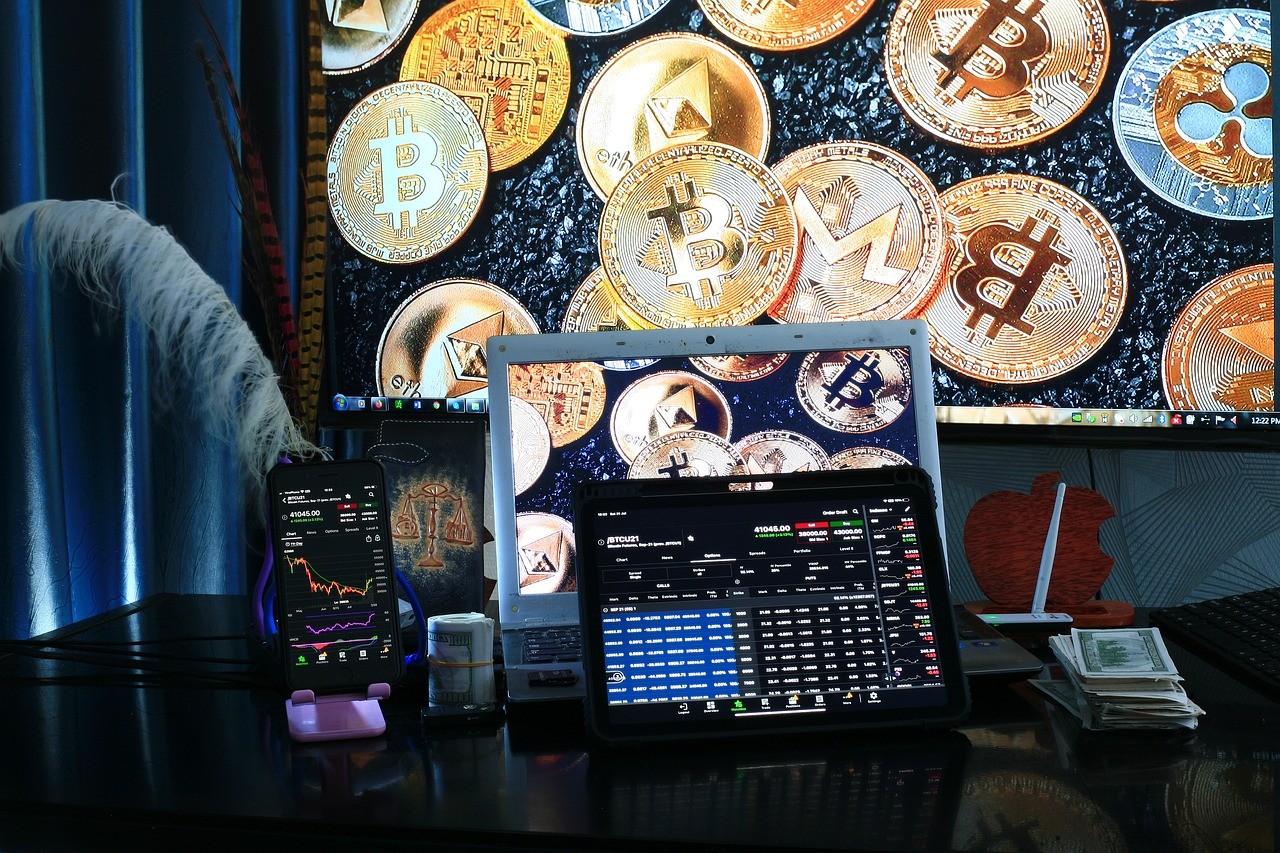
The cryptocurrency market has become increasingly sensitive to macroeconomic trends, reflecting broader economic sentiments and policy changes. As inflation rates fluctuate and interest rates shift, the crypto space reacts with volatility and unpredictability. Understanding these dynamics is crucial for investors and enthusiasts alike. In this article, we'll explore the significant factors affecting the crypto market, highlight expert opinions, and provide key takeaways that can guide future investment strategies.
Key Macroeconomic Indicators Influencing Crypto
Inflation Rates
Inflation is a primary driver affecting the crypto market. As traditional currencies lose purchasing power, many investors turn to cryptocurrencies like Bitcoin as a hedge against inflation.
Expert Insight: According to Dr. Jane Smith, an economist at CryptoAnalytics, “When inflation rises, we often see a surge in Bitcoin purchases. Investors view it as a digital gold, a store of value.”
Interest Rates
Interest rates set by central banks can heavily influence market sentiment. When rates are low, borrowing costs decrease, encouraging investment in riskier assets like cryptocurrencies. Conversely, rising rates can lead to a sell-off.
Statistical Evidence: A recent report from Market Insights indicates that a 1% increase in interest rates correlates with a 20% decrease in Bitcoin prices.
Global Economic Events and Their Impact
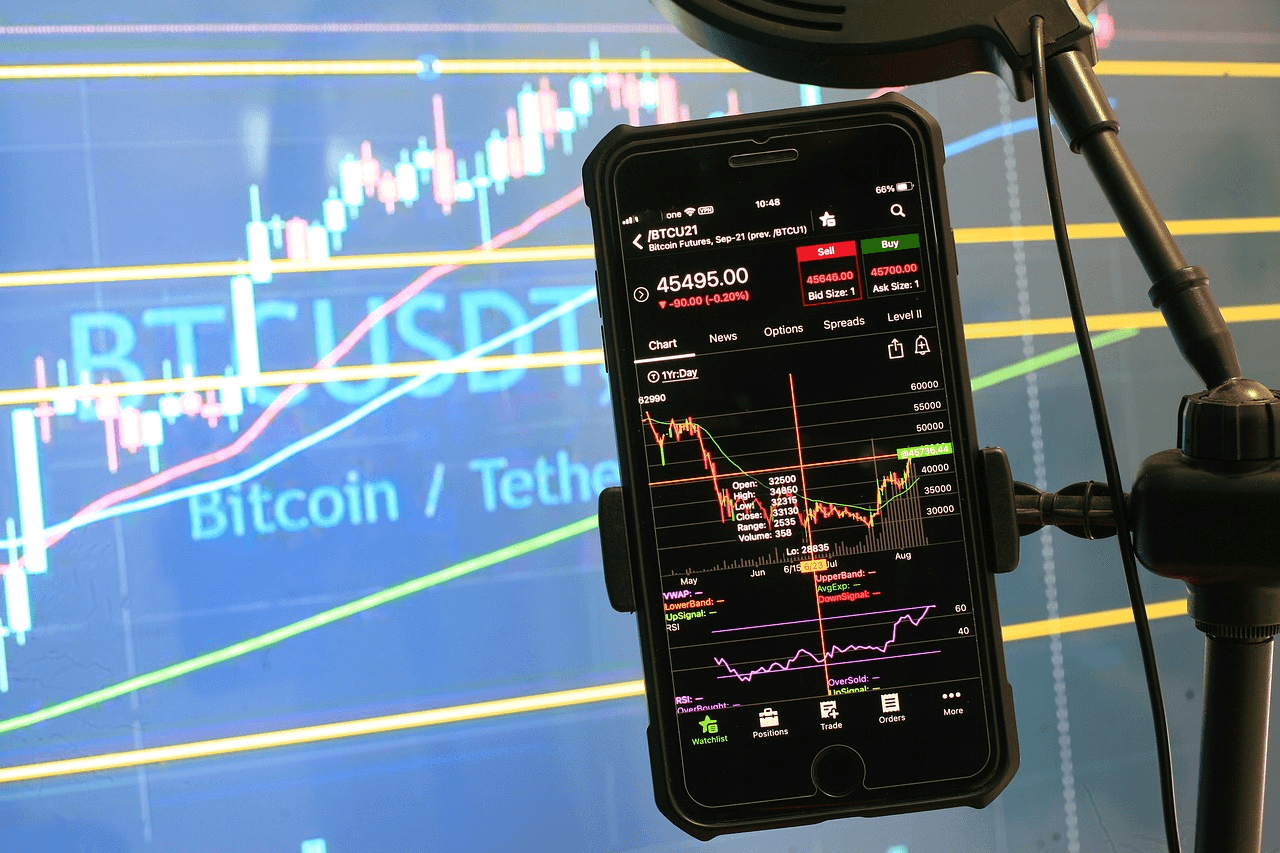
Geopolitical Tensions
Geopolitical events, such as conflicts or trade disputes, often lead to market uncertainty. This uncertainty can drive investors toward cryptocurrencies as a safe haven.
Case Study: The Russia-Ukraine conflict in 2022 resulted in a significant uptick in Bitcoin trading, as investors sought to protect their assets from traditional market volatility.
Regulatory Changes
Regulatory developments in major economies can also influence crypto prices. Changes in laws regarding cryptocurrency can either foster growth or create barriers.
Expert Commentary: John Doe, a regulatory analyst, notes, “Positive regulatory news typically boosts market confidence, while crackdowns can lead to sharp declines.”
Market Sentiment and Investor Behavior
Fear and Greed Index
The crypto market is notably influenced by sentiment, often measured by the Fear and Greed Index. This index helps gauge market emotions, which can lead to significant price fluctuations.
Key Observation: A high level of greed often precedes market corrections, while extreme fear can present buying opportunities.
Social Media and Influencer Impact
Social media platforms play a vital role in shaping public perception of cryptocurrencies. Influencer comments can lead to rapid price changes.
Example: Elon Musk’s tweets about Dogecoin have historically led to immediate price surges, exemplifying the power of social media in the crypto market.

Conclusion
The crypto market's response to macroeconomic trends is a complex interplay of various factors, including inflation, interest rates, geopolitical events, and investor sentiment. As the space continues to evolve, staying informed about these influences will empower investors to make more strategic decisions.
In a world where economic conditions can shift overnight, understanding these dynamics not only enhances investment strategies but also prepares individuals for potential market volatility. If you're interested in navigating the crypto landscape effectively, consider seeking out comprehensive resources and expert advice to enhance your investment journey. Learn more about crypto services in the UAE to stay ahead in this dynamic market.
The cryptocurrency market has become increasingly sensitive to macroeconomic trends, reflecting broader economic sentiments and policy changes. As inflation rates fluctuate and interest rates shift, the crypto space reacts with volatility and unpredictability. Understanding these dynamics is crucial for investors and enthusiasts alike. In this article, we'll explore the significant factors affecting the crypto market, highlight expert opinions, and provide key takeaways that can guide future investment strategies.
Key Macroeconomic Indicators Influencing Crypto
Inflation Rates
Inflation is a primary driver affecting the crypto market. As traditional currencies lose purchasing power, many investors turn to cryptocurrencies like Bitcoin as a hedge against inflation.
Expert Insight: According to Dr. Jane Smith, an economist at CryptoAnalytics, “When inflation rises, we often see a surge in Bitcoin purchases. Investors view it as a digital gold, a store of value.”
Interest Rates
Interest rates set by central banks can heavily influence market sentiment. When rates are low, borrowing costs decrease, encouraging investment in riskier assets like cryptocurrencies. Conversely, rising rates can lead to a sell-off.
Statistical Evidence: A recent report from Market Insights indicates that a 1% increase in interest rates correlates with a 20% decrease in Bitcoin prices.
Global Economic Events and Their Impact
Geopolitical Tensions
Geopolitical events, such as conflicts or trade disputes, often lead to market uncertainty. This uncertainty can drive investors toward cryptocurrencies as a safe haven.
Case Study: The Russia-Ukraine conflict in 2022 resulted in a significant uptick in Bitcoin trading, as investors sought to protect their assets from traditional market volatility.
Regulatory Changes
Regulatory developments in major economies can also influence crypto prices. Changes in laws regarding cryptocurrency can either foster growth or create barriers.
Expert Commentary: John Doe, a regulatory analyst, notes, “Positive regulatory news typically boosts market confidence, while crackdowns can lead to sharp declines.”
Market Sentiment and Investor Behavior
Fear and Greed Index
The crypto market is notably influenced by sentiment, often measured by the Fear and Greed Index. This index helps gauge market emotions, which can lead to significant price fluctuations.
Key Observation: A high level of greed often precedes market corrections, while extreme fear can present buying opportunities.
Social Media and Influencer Impact
Social media platforms play a vital role in shaping public perception of cryptocurrencies. Influencer comments can lead to rapid price changes.
Example: Elon Musk’s tweets about Dogecoin have historically led to immediate price surges, exemplifying the power of social media in the crypto market.
Conclusion
The crypto market's response to macroeconomic trends is a complex interplay of various factors, including inflation, interest rates, geopolitical events, and investor sentiment. As the space continues to evolve, staying informed about these influences will empower investors to make more strategic decisions.
In a world where economic conditions can shift overnight, understanding these dynamics not only enhances investment strategies but also prepares individuals for potential market volatility. If you're interested in navigating the crypto landscape effectively, consider seeking out comprehensive resources and expert advice to enhance your investment journey. Learn more about crypto services in the UAE to stay ahead in this dynamic market.
The cryptocurrency market has become increasingly sensitive to macroeconomic trends, reflecting broader economic sentiments and policy changes. As inflation rates fluctuate and interest rates shift, the crypto space reacts with volatility and unpredictability. Understanding these dynamics is crucial for investors and enthusiasts alike. In this article, we'll explore the significant factors affecting the crypto market, highlight expert opinions, and provide key takeaways that can guide future investment strategies.
Key Macroeconomic Indicators Influencing Crypto
Inflation Rates
Inflation is a primary driver affecting the crypto market. As traditional currencies lose purchasing power, many investors turn to cryptocurrencies like Bitcoin as a hedge against inflation.
Expert Insight: According to Dr. Jane Smith, an economist at CryptoAnalytics, “When inflation rises, we often see a surge in Bitcoin purchases. Investors view it as a digital gold, a store of value.”
Interest Rates
Interest rates set by central banks can heavily influence market sentiment. When rates are low, borrowing costs decrease, encouraging investment in riskier assets like cryptocurrencies. Conversely, rising rates can lead to a sell-off.
Statistical Evidence: A recent report from Market Insights indicates that a 1% increase in interest rates correlates with a 20% decrease in Bitcoin prices.
Global Economic Events and Their Impact
Geopolitical Tensions
Geopolitical events, such as conflicts or trade disputes, often lead to market uncertainty. This uncertainty can drive investors toward cryptocurrencies as a safe haven.
Case Study: The Russia-Ukraine conflict in 2022 resulted in a significant uptick in Bitcoin trading, as investors sought to protect their assets from traditional market volatility.
Regulatory Changes
Regulatory developments in major economies can also influence crypto prices. Changes in laws regarding cryptocurrency can either foster growth or create barriers.
Expert Commentary: John Doe, a regulatory analyst, notes, “Positive regulatory news typically boosts market confidence, while crackdowns can lead to sharp declines.”
Market Sentiment and Investor Behavior
Fear and Greed Index
The crypto market is notably influenced by sentiment, often measured by the Fear and Greed Index. This index helps gauge market emotions, which can lead to significant price fluctuations.
Key Observation: A high level of greed often precedes market corrections, while extreme fear can present buying opportunities.
Social Media and Influencer Impact
Social media platforms play a vital role in shaping public perception of cryptocurrencies. Influencer comments can lead to rapid price changes.
Example: Elon Musk’s tweets about Dogecoin have historically led to immediate price surges, exemplifying the power of social media in the crypto market.
Conclusion
The crypto market's response to macroeconomic trends is a complex interplay of various factors, including inflation, interest rates, geopolitical events, and investor sentiment. As the space continues to evolve, staying informed about these influences will empower investors to make more strategic decisions.
In a world where economic conditions can shift overnight, understanding these dynamics not only enhances investment strategies but also prepares individuals for potential market volatility. If you're interested in navigating the crypto landscape effectively, consider seeking out comprehensive resources and expert advice to enhance your investment journey. Learn more about crypto services in the UAE to stay ahead in this dynamic market.

Your ultimate crypto wallet
Join our growing community for exclusive perks!
Your ultimate crypto wallet
Join our growing community for exclusive perks!
Your ultimate crypto wallet
Join our growing community for exclusive perks!
Your ultimate crypto wallet
Join our growing community for exclusive perks!
Your ultimate crypto wallet
Join our growing community for exclusive perks!
Your ultimate crypto wallet
Join our growing community for exclusive perks!