Ethereum’s Weekly Blob Fees Hit 2025 Lows – A Sign of Market Shift?
Ethereum’s Weekly Blob Fees Hit 2025 Lows – A Sign of Market Shift?
Ethereum’s Weekly Blob Fees Hit 2025 Lows – A Sign of Market Shift?
Ethereum’s Weekly Blob Fees Hit 2025 Lows – A Sign of Market Shift?
Ethereum’s Weekly Blob Fees Hit 2025 Lows – A Sign of Market Shift?
Nidhi Rastogi
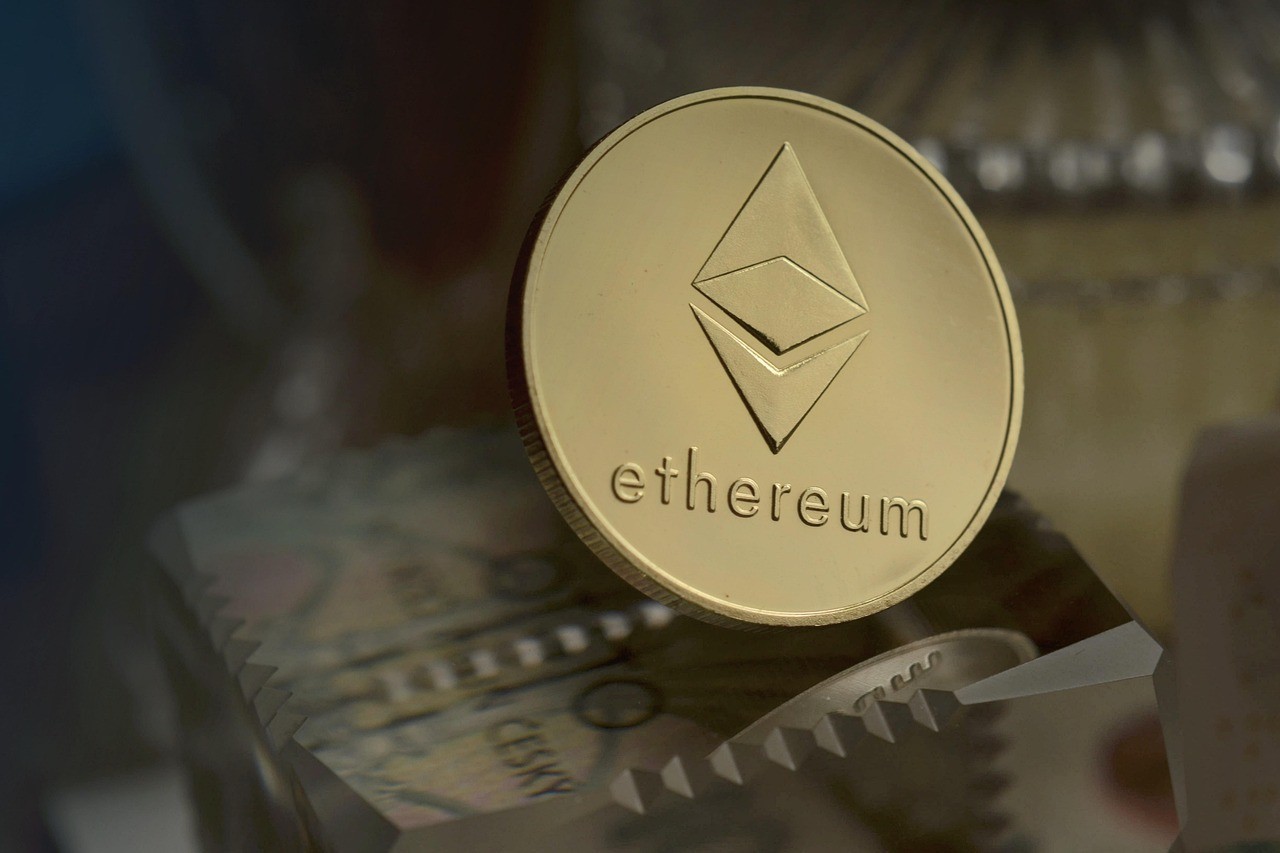
Ethereum, the backbone of decentralized applications and smart contracts, has witnessed a significant shift in its network dynamics. In a surprising turn of events, Ethereum’s weekly blob fees have dropped to their lowest levels in 2025. This decline has raised eyebrows among traders, developers, and investors alike. But what does this mean for Ethereum’s ecosystem? Is it a sign of reduced network activity or an efficiency upgrade paying off?
In this article, we’ll explore the reasons behind this fee drop, analyze its implications, and speculate on what lies ahead for Ethereum.
Understanding Blob Fees in Ethereum
What Are Blob Fees?
Ethereum introduced blob fees as part of its rollup scaling solutions, primarily under EIP-4844 (Proto-Danksharding). These fees are associated with temporary data storage that helps Layer 2 rollups manage transactions more efficiently. Unlike traditional gas fees, blob fees specifically cater to rollup data, ensuring lower costs for high-volume transactions.
Why Are Blob Fees Important?
Cost Efficiency: Blob fees reduce congestion on the main Ethereum chain, allowing rollups to operate at lower costs.
Scalability: By offloading transaction data to blobs, Ethereum improves throughput and transaction speed.
Adoption of Layer 2 Solutions: Lower blob fees make rollups like Optimism, Arbitrum, and zkSync more attractive to developers and users.
Why Have Blob Fees Dropped in 2025?
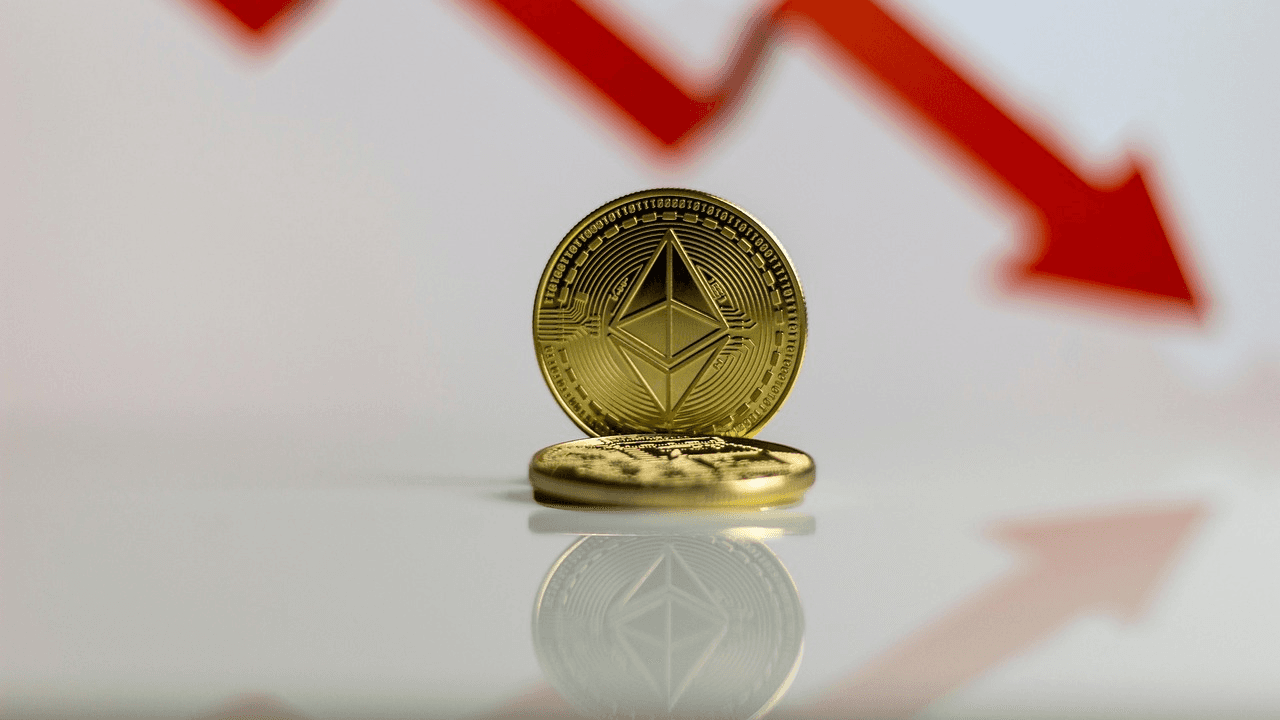
Ethereum’s recent decline in blob fees can be attributed to multiple factors. Let’s break them down:
1. Increased Network Efficiency
Ethereum has undergone multiple upgrades to enhance its performance. The transition to EIP-4844 has stabilized, leading to better fee predictability and reduced costs.
2. Reduced On-Chain Congestion
The surge in rollup adoption has eased the burden on Ethereum’s base layer. More transactions are being processed off-chain, leading to a decline in demand for on-chain blob data.
3. Market Downturn and Lower Demand
With the crypto market facing a cooling-off period, fewer transactions are being processed. Historical data shows that when activity slows down, fees naturally decrease due to lower network competition.
4. Optimized Rollup Mechanisms
Rollup providers have improved their compression techniques, requiring fewer blobs per transaction batch. This has directly resulted in reduced blob fee usage across the ecosystem.
How This Affects Ethereum Users
Lower blob fees present different implications for different stakeholders in Ethereum’s network:
For Retail Users and Traders:
Cheaper Transactions: A direct benefit is reduced transaction costs, making Ethereum more accessible for DeFi trading, NFTs, and other on-chain activities.
More Affordable Layer 2 Solutions: Rollup-based transactions, which were already cheaper, become even more cost-effective.
For Developers and Projects:
Lower Operating Costs: Dapp developers and protocols benefit from lower storage costs, reducing overhead expenses.
Higher Adoption of Layer 2 Solutions: More users may shift towards Ethereum rollups, enhancing the ecosystem’s overall liquidity and engagement.
For Ethereum Stakers and Validators:
Potentially Lower Revenue: Validators earn fees from transaction processing, and a decline in blob fees could impact their earnings.
Shift to Alternative Revenue Streams: Some validators may pivot towards MEV (Maximal Extractable Value) strategies or prioritize Layer 2 participation.
What’s Next for Ethereum’s Fee Structure?
1. Potential Fee Rebalancing
As demand fluctuates, Ethereum’s dynamic fee structure may self-adjust. If network activity surges again, blob fees could stabilize at higher levels.
2. Expansion of Layer 2 Ecosystem
The decline in fees may drive more projects to Layer 2 solutions, reinforcing Ethereum’s long-term goal of scalability.
3. More Upgrades on the Horizon
Ethereum’s roadmap includes future enhancements such as Verkle Trees and Danksharding, which could further optimize fee structures.
Conclusion: A Positive Shift or Cause for Concern?
Ethereum’s weekly blob fees hitting 2025 lows is a double-edged sword. On one hand, lower fees enhance affordability and accessibility, making Ethereum-based transactions cheaper. On the other, validators and network participants might see a decline in revenue, prompting shifts in how they operate.
As Ethereum continues to evolve, staying informed about network upgrades and fee trends will be crucial for investors, developers, and everyday users. Are lower fees the new norm, or is this just a temporary dip? Only time will tell.
Stay Ahead in Crypto
Want to keep up with Ethereum’s latest developments? Follow us for real-time crypto insights and updates on emerging blockchain trends.
Ethereum, the backbone of decentralized applications and smart contracts, has witnessed a significant shift in its network dynamics. In a surprising turn of events, Ethereum’s weekly blob fees have dropped to their lowest levels in 2025. This decline has raised eyebrows among traders, developers, and investors alike. But what does this mean for Ethereum’s ecosystem? Is it a sign of reduced network activity or an efficiency upgrade paying off?
In this article, we’ll explore the reasons behind this fee drop, analyze its implications, and speculate on what lies ahead for Ethereum.
Understanding Blob Fees in Ethereum
What Are Blob Fees?
Ethereum introduced blob fees as part of its rollup scaling solutions, primarily under EIP-4844 (Proto-Danksharding). These fees are associated with temporary data storage that helps Layer 2 rollups manage transactions more efficiently. Unlike traditional gas fees, blob fees specifically cater to rollup data, ensuring lower costs for high-volume transactions.
Why Are Blob Fees Important?
Cost Efficiency: Blob fees reduce congestion on the main Ethereum chain, allowing rollups to operate at lower costs.
Scalability: By offloading transaction data to blobs, Ethereum improves throughput and transaction speed.
Adoption of Layer 2 Solutions: Lower blob fees make rollups like Optimism, Arbitrum, and zkSync more attractive to developers and users.
Why Have Blob Fees Dropped in 2025?
Ethereum’s recent decline in blob fees can be attributed to multiple factors. Let’s break them down:
1. Increased Network Efficiency
Ethereum has undergone multiple upgrades to enhance its performance. The transition to EIP-4844 has stabilized, leading to better fee predictability and reduced costs.
2. Reduced On-Chain Congestion
The surge in rollup adoption has eased the burden on Ethereum’s base layer. More transactions are being processed off-chain, leading to a decline in demand for on-chain blob data.
3. Market Downturn and Lower Demand
With the crypto market facing a cooling-off period, fewer transactions are being processed. Historical data shows that when activity slows down, fees naturally decrease due to lower network competition.
4. Optimized Rollup Mechanisms
Rollup providers have improved their compression techniques, requiring fewer blobs per transaction batch. This has directly resulted in reduced blob fee usage across the ecosystem.
How This Affects Ethereum Users
Lower blob fees present different implications for different stakeholders in Ethereum’s network:
For Retail Users and Traders:
Cheaper Transactions: A direct benefit is reduced transaction costs, making Ethereum more accessible for DeFi trading, NFTs, and other on-chain activities.
More Affordable Layer 2 Solutions: Rollup-based transactions, which were already cheaper, become even more cost-effective.
For Developers and Projects:
Lower Operating Costs: Dapp developers and protocols benefit from lower storage costs, reducing overhead expenses.
Higher Adoption of Layer 2 Solutions: More users may shift towards Ethereum rollups, enhancing the ecosystem’s overall liquidity and engagement.
For Ethereum Stakers and Validators:
Potentially Lower Revenue: Validators earn fees from transaction processing, and a decline in blob fees could impact their earnings.
Shift to Alternative Revenue Streams: Some validators may pivot towards MEV (Maximal Extractable Value) strategies or prioritize Layer 2 participation.
What’s Next for Ethereum’s Fee Structure?
1. Potential Fee Rebalancing
As demand fluctuates, Ethereum’s dynamic fee structure may self-adjust. If network activity surges again, blob fees could stabilize at higher levels.
2. Expansion of Layer 2 Ecosystem
The decline in fees may drive more projects to Layer 2 solutions, reinforcing Ethereum’s long-term goal of scalability.
3. More Upgrades on the Horizon
Ethereum’s roadmap includes future enhancements such as Verkle Trees and Danksharding, which could further optimize fee structures.
Conclusion: A Positive Shift or Cause for Concern?
Ethereum’s weekly blob fees hitting 2025 lows is a double-edged sword. On one hand, lower fees enhance affordability and accessibility, making Ethereum-based transactions cheaper. On the other, validators and network participants might see a decline in revenue, prompting shifts in how they operate.
As Ethereum continues to evolve, staying informed about network upgrades and fee trends will be crucial for investors, developers, and everyday users. Are lower fees the new norm, or is this just a temporary dip? Only time will tell.
Stay Ahead in Crypto
Want to keep up with Ethereum’s latest developments? Follow us for real-time crypto insights and updates on emerging blockchain trends.
Ethereum, the backbone of decentralized applications and smart contracts, has witnessed a significant shift in its network dynamics. In a surprising turn of events, Ethereum’s weekly blob fees have dropped to their lowest levels in 2025. This decline has raised eyebrows among traders, developers, and investors alike. But what does this mean for Ethereum’s ecosystem? Is it a sign of reduced network activity or an efficiency upgrade paying off?
In this article, we’ll explore the reasons behind this fee drop, analyze its implications, and speculate on what lies ahead for Ethereum.
Understanding Blob Fees in Ethereum
What Are Blob Fees?
Ethereum introduced blob fees as part of its rollup scaling solutions, primarily under EIP-4844 (Proto-Danksharding). These fees are associated with temporary data storage that helps Layer 2 rollups manage transactions more efficiently. Unlike traditional gas fees, blob fees specifically cater to rollup data, ensuring lower costs for high-volume transactions.
Why Are Blob Fees Important?
Cost Efficiency: Blob fees reduce congestion on the main Ethereum chain, allowing rollups to operate at lower costs.
Scalability: By offloading transaction data to blobs, Ethereum improves throughput and transaction speed.
Adoption of Layer 2 Solutions: Lower blob fees make rollups like Optimism, Arbitrum, and zkSync more attractive to developers and users.
Why Have Blob Fees Dropped in 2025?
Ethereum’s recent decline in blob fees can be attributed to multiple factors. Let’s break them down:
1. Increased Network Efficiency
Ethereum has undergone multiple upgrades to enhance its performance. The transition to EIP-4844 has stabilized, leading to better fee predictability and reduced costs.
2. Reduced On-Chain Congestion
The surge in rollup adoption has eased the burden on Ethereum’s base layer. More transactions are being processed off-chain, leading to a decline in demand for on-chain blob data.
3. Market Downturn and Lower Demand
With the crypto market facing a cooling-off period, fewer transactions are being processed. Historical data shows that when activity slows down, fees naturally decrease due to lower network competition.
4. Optimized Rollup Mechanisms
Rollup providers have improved their compression techniques, requiring fewer blobs per transaction batch. This has directly resulted in reduced blob fee usage across the ecosystem.
How This Affects Ethereum Users
Lower blob fees present different implications for different stakeholders in Ethereum’s network:
For Retail Users and Traders:
Cheaper Transactions: A direct benefit is reduced transaction costs, making Ethereum more accessible for DeFi trading, NFTs, and other on-chain activities.
More Affordable Layer 2 Solutions: Rollup-based transactions, which were already cheaper, become even more cost-effective.
For Developers and Projects:
Lower Operating Costs: Dapp developers and protocols benefit from lower storage costs, reducing overhead expenses.
Higher Adoption of Layer 2 Solutions: More users may shift towards Ethereum rollups, enhancing the ecosystem’s overall liquidity and engagement.
For Ethereum Stakers and Validators:
Potentially Lower Revenue: Validators earn fees from transaction processing, and a decline in blob fees could impact their earnings.
Shift to Alternative Revenue Streams: Some validators may pivot towards MEV (Maximal Extractable Value) strategies or prioritize Layer 2 participation.
What’s Next for Ethereum’s Fee Structure?
1. Potential Fee Rebalancing
As demand fluctuates, Ethereum’s dynamic fee structure may self-adjust. If network activity surges again, blob fees could stabilize at higher levels.
2. Expansion of Layer 2 Ecosystem
The decline in fees may drive more projects to Layer 2 solutions, reinforcing Ethereum’s long-term goal of scalability.
3. More Upgrades on the Horizon
Ethereum’s roadmap includes future enhancements such as Verkle Trees and Danksharding, which could further optimize fee structures.
Conclusion: A Positive Shift or Cause for Concern?
Ethereum’s weekly blob fees hitting 2025 lows is a double-edged sword. On one hand, lower fees enhance affordability and accessibility, making Ethereum-based transactions cheaper. On the other, validators and network participants might see a decline in revenue, prompting shifts in how they operate.
As Ethereum continues to evolve, staying informed about network upgrades and fee trends will be crucial for investors, developers, and everyday users. Are lower fees the new norm, or is this just a temporary dip? Only time will tell.
Stay Ahead in Crypto
Want to keep up with Ethereum’s latest developments? Follow us for real-time crypto insights and updates on emerging blockchain trends.

Your ultimate crypto wallet
Join our growing community for exclusive perks!
Your ultimate crypto wallet
Join our growing community for exclusive perks!
Your ultimate crypto wallet
Join our growing community for exclusive perks!
Your ultimate crypto wallet
Join our growing community for exclusive perks!
Your ultimate crypto wallet
Join our growing community for exclusive perks!
Your ultimate crypto wallet
Join our growing community for exclusive perks!