How Multi-Chain Wallets Will Define the Future of Web3 Transactions
How Multi-Chain Wallets Will Define the Future of Web3 Transactions
How Multi-Chain Wallets Will Define the Future of Web3 Transactions
How Multi-Chain Wallets Will Define the Future of Web3 Transactions
How Multi-Chain Wallets Will Define the Future of Web3 Transactions
Shashank Kothari

Over the past few years, blockchain technology has given birth to an entirely new internet ecosystem known as Web3. In this decentralized realm, users not only control their data but also participate in governance, finance, and digital ownership in ways never before possible. At the center of this paradigm shift are crypto wallets—the tools that enable individuals to store, manage, and transact with digital assets.
However, with the rapid expansion of blockchain networks like Ethereum, BNB Smart Chain, Solana, and countless others, users frequently face the complexity of juggling multiple wallets or apps just to interact across various chains. This is where multi-chain wallets enter the picture. By consolidating different networks under one interface, they promise to streamline the user experience and pave the way for broader Web3 adoption. In this article, we’ll explore how multi-chain wallets are revolutionizing the way we think about blockchain transactions and why they are poised to play a defining role in Web3’s future.
Evolution of Web3 Transactions
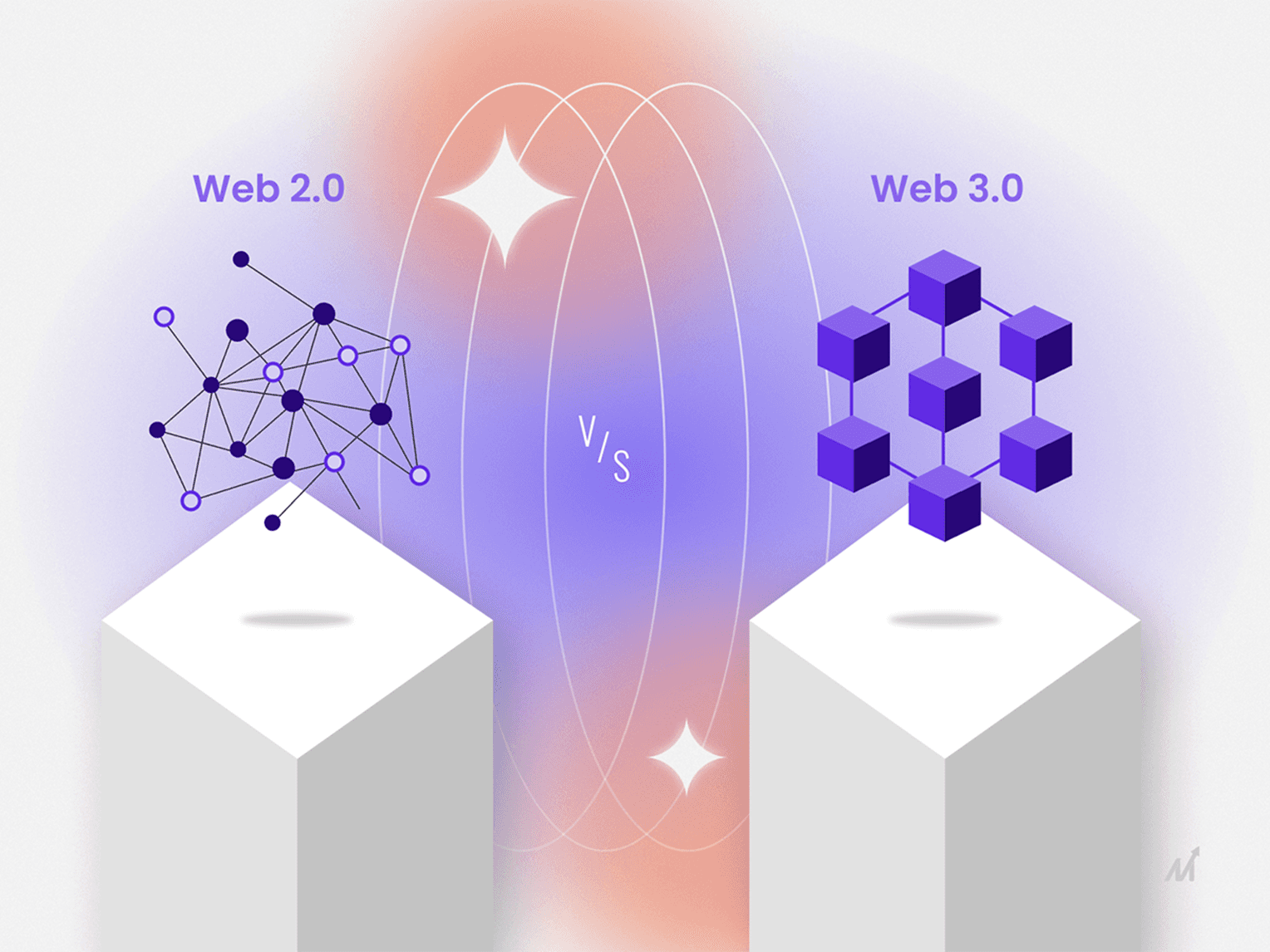
Web3 transactions are fundamentally different from those of traditional digital platforms. In Web2, transactions tend to happen through centralized intermediaries—think of social media companies, payment processors, or large online marketplaces. In Web3, decentralized networks run the show, leveraging smart contracts to execute actions automatically without relying on a central authority.
From Web2 to Web3
This evolution is fueled by a growing desire for user autonomy. Rather than letting corporations control assets or data, Web3 champions self-custody, open-source protocols, and peer-to-peer interactions.Role of Multiple Blockchains
Ethereum paved the way for dApps (decentralized applications), but other chains like BNB Smart Chain, Solana, and Polygon also emerged to offer lower fees, faster transactions, or specialized functionalities. As a result, users who want to swap tokens, mint NFTs, or participate in DeFi often find themselves operating on multiple platforms.The Need for Interoperability
Because of these diverse chains, cross-chain interoperability has become a priority. A user might hold NFTs on Ethereum, stake tokens on Avalanche, and trade on Solana-based DEXs. Without a unifying interface, navigating these ecosystems can be confusing and inefficient. This is exactly the gap multi-chain wallets are designed to fill.
What Are Multi-Chain Wallets?
At their core, multi-chain wallets let users access and manage various blockchain networks from a single application. Unlike single-chain wallets—designed to work exclusively with one ecosystem—multi-chain wallets are more flexible, reducing the hassle of switching apps.
Definition and Core Concept
A multi-chain wallet typically supports major blockchains (e.g., Ethereum, BNB, Solana) and can extend support to emerging networks. This approach streamlines asset management, allowing users to view all their tokens and NFTs in one place.How They Differ From Single-Chain Solutions
Single-chain wallets often excel at deep integration with their specific network’s features, but they fall short when users want to explore beyond one chain’s ecosystem. Multi-chain wallets, on the other hand, prioritize interoperability and user convenience, bridging different protocols and making cross-chain interactions more accessible.Increasing Demand
With token ecosystems multiplying and DeFi becoming more complex, the appetite for multi-chain solutions continues to grow. Whether it’s for lower fees, faster transaction times, or simply diversifying holdings, users are seeking a wallet that can handle it all under one roof.
Key Features Driving the Future of Multi-Chain Wallets
Interoperability
Effective multi-chain wallets leverage cross-chain bridges or other interoperability protocols to let users seamlessly swap or move assets between blockchains. This eliminates the need for multiple exchanges or a complicated series of steps to execute a simple transaction.
Security & Self-Custody
Security is paramount in the crypto space. Multi-chain wallets often incorporate:
Private Key Management: Ensuring users have complete control over their assets.
Multi-Signature Support: Allowing more than one private key to sign transactions for higher-level security in shared or organizational accounts.
2FA & Biometric Authentication: Adding layers of protection on top of standard password systems.
Scalability and Fee Optimization
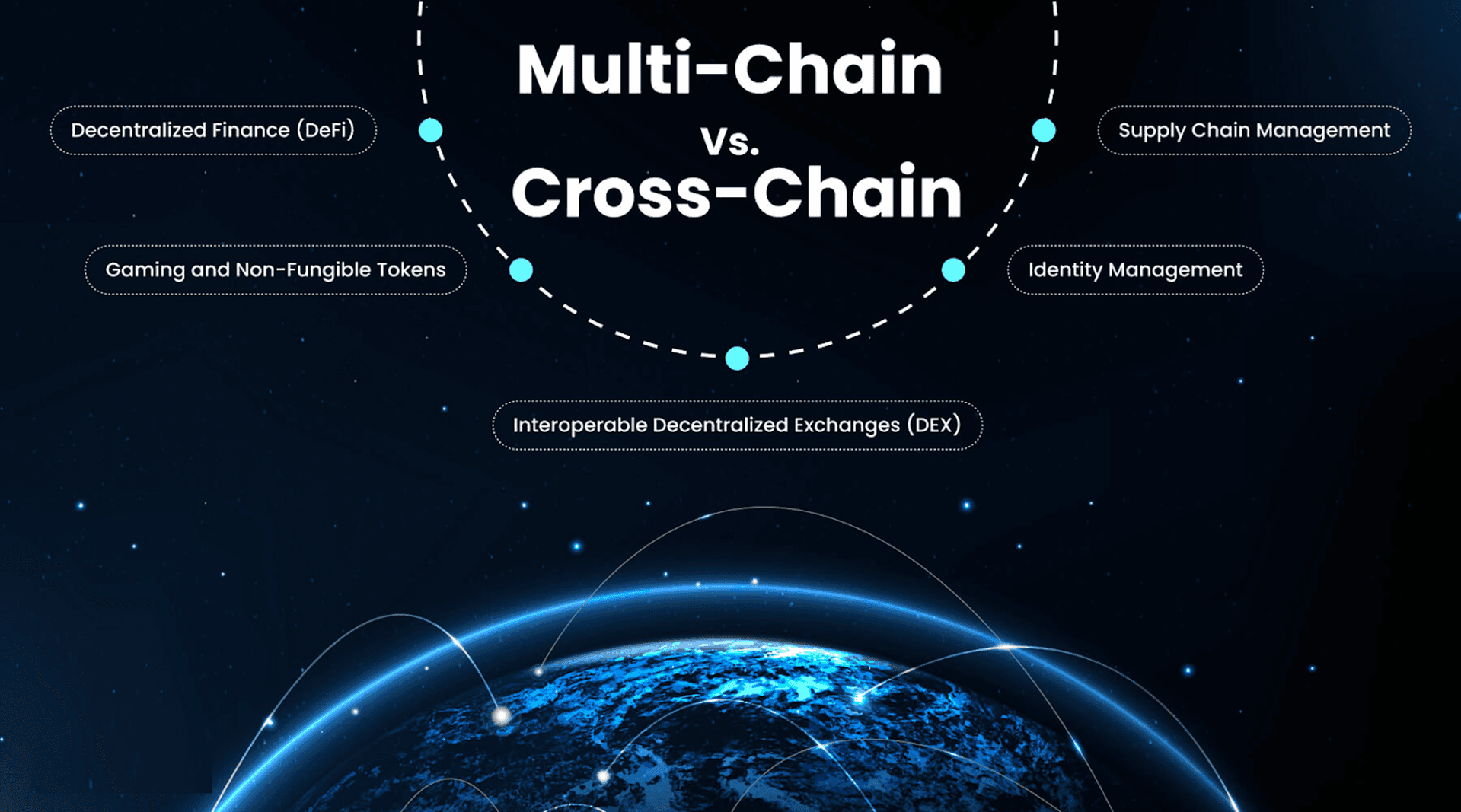
One of the major benefits of a multi-chain wallet is the ability to choose which network to use for a transaction. If Ethereum fees are high, you could easily pivot to a lower-fee chain like BNB or Polygon. As new layer-2 solutions emerge, multi-chain wallets integrate them to give users more ways to scale and save on costs.
User-Centric Design
In the early days of crypto, navigating wallets could feel like learning a foreign language. Modern multi-chain wallets prioritize user experience with intuitive dashboards, in-app tutorials, and straightforward transaction flows, enabling even newcomers to execute cross-chain swaps or manage tokens confidently.
Real-World Use Cases and Benefits
NFT & Gaming
NFTs are scattered across different marketplaces—Ethereum-based collections, Solana gaming assets, BNB chain collectibles, and more. Multi-chain wallets let users seamlessly trade, display, and use NFTs from multiple chains in one unified interface.
DeFi & Yield Farming
DeFi protocols offer different interest rates on various networks. With a multi-chain wallet, users can compare yields across chains and move their assets to whichever network offers the best returns, all without juggling multiple apps.
Cross-Border Payments
Remittances can be streamlined when users can pick from different blockchains. Faster, cheaper networks become instantly accessible, making cross-border transactions more efficient.
Enterprise Adoption
Businesses and projects seeking to launch tokens on multiple chains can manage treasury and operations more cohesively, simplifying accounting and strategic decision-making.
Current Challenges and Limitations
Despite their advantages, multi-chain wallets aren’t without hurdles:
Security Risks
While multi-chain architectures offer flexibility, they can also expand the attack surface if cross-chain bridges are not rigorously audited.Regulatory Complexity
Different jurisdictions classify tokens differently. A wallet operating across multiple networks must navigate a tangled web of compliance standards and legal frameworks.User Education
Newcomers may find multi-chain operations confusing, especially when bridging assets or paying transaction fees in different tokens. Clear tutorials, FAQs, and responsive customer support are necessary.Technical Evolving Landscape
The industry is evolving so fast that multi-chain standards are still being refined. Wallets must continually update to support new protocols, chain upgrades, and bridging solutions.
The Road Ahead: How Crowd Wallet’s Multi-Chain Wallet Will Shape the Future of Web3 Transactions
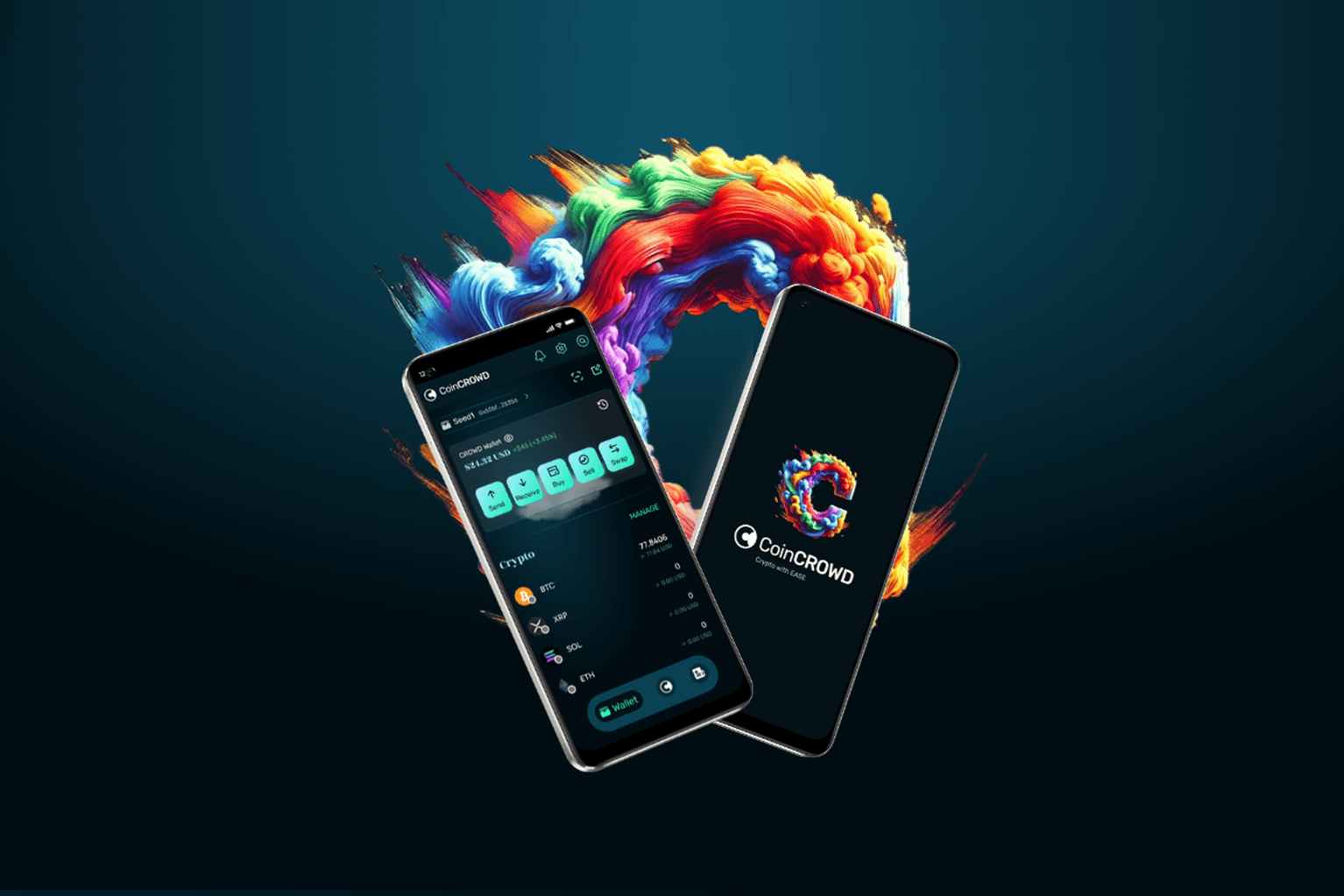
As multi-chain wallets mature, solutions like Crowd Wallet are stepping in to address existing challenges while pushing the envelope in terms of features, security, and usability.
Seamless Interoperability Across Top Blockchains
Crowd Wallet is designed to support a broad range of blockchains—Ethereum, BNB Smart Chain, Solana, Polygon, and more—making it effortless to move assets and interact with dApps in various ecosystems. Thanks to built-in bridging mechanisms, users can swap tokens without complex, multi-step processes.Robust Security and Self-Custody
With private key encryption, biometric authentication, and (in future updates) multi-signature transactions, Crowd Wallet ensures that security remains uncompromised. The wallet prioritizes user autonomy, giving individuals complete control over their assets and reducing reliance on centralized services.Streamlined User Experience
One key focus for Crowd Wallet is accessibility. Even novices can easily navigate cross-chain transactions with a guided interface. Future improvements plan to offer auto-fee optimization, so the wallet can recommend the cheapest and fastest network for each transaction, removing guesswork from the process.Cross-Chain DeFi and NFT Management
As part of Crowd Wallet’s roadmap, users will be able to manage DeFi activities across multiple blockchains—providing a single hub to stake tokens, earn yields, and monitor performance. For NFT enthusiasts, integrated multi-chain NFT support is on the horizon, enabling asset display and trading in a unified environment.Compliance and Scalability
Crowd Wallet aims to stay ahead of regulatory changes by monitoring global crypto policies and ensuring compliance where necessary. By integrating layer-2 solutions and sidechains, it also addresses scalability concerns that can hinder widespread adoption.
By integrating these features, Crowd Wallet is positioned to be more than just a storage solution; it serves as a comprehensive gateway to the broader Web3 universe. As more users discover the benefits of a multi-chain approach, Crowd Wallet could be a key driver of mainstream adoption, presenting an all-in-one solution that both demystifies and democratizes cross-chain interaction.
Conclusion
Multi-chain wallets are emerging as indispensable tools for the burgeoning Web3 landscape. By offering cross-chain interoperability, enhanced security, and user-friendly design, they address the fragmented nature of today’s blockchain ecosystem. Although challenges such as evolving regulations and technical complexities remain, solutions like Crowd Wallet show how these hurdles can be navigated successfully.
As Web3 continues to evolve, the role of multi-chain wallets will only become more critical. They have the potential to unify user experiences, making it easier for anyone—crypto veteran or curious newcomer—to explore multiple blockchains seamlessly. In doing so, multi-chain wallets aren’t just a convenience; they’re paving the way for a more accessible, efficient, and truly decentralized digital future.
Over the past few years, blockchain technology has given birth to an entirely new internet ecosystem known as Web3. In this decentralized realm, users not only control their data but also participate in governance, finance, and digital ownership in ways never before possible. At the center of this paradigm shift are crypto wallets—the tools that enable individuals to store, manage, and transact with digital assets.
However, with the rapid expansion of blockchain networks like Ethereum, BNB Smart Chain, Solana, and countless others, users frequently face the complexity of juggling multiple wallets or apps just to interact across various chains. This is where multi-chain wallets enter the picture. By consolidating different networks under one interface, they promise to streamline the user experience and pave the way for broader Web3 adoption. In this article, we’ll explore how multi-chain wallets are revolutionizing the way we think about blockchain transactions and why they are poised to play a defining role in Web3’s future.
Evolution of Web3 Transactions
Web3 transactions are fundamentally different from those of traditional digital platforms. In Web2, transactions tend to happen through centralized intermediaries—think of social media companies, payment processors, or large online marketplaces. In Web3, decentralized networks run the show, leveraging smart contracts to execute actions automatically without relying on a central authority.
From Web2 to Web3
This evolution is fueled by a growing desire for user autonomy. Rather than letting corporations control assets or data, Web3 champions self-custody, open-source protocols, and peer-to-peer interactions.Role of Multiple Blockchains
Ethereum paved the way for dApps (decentralized applications), but other chains like BNB Smart Chain, Solana, and Polygon also emerged to offer lower fees, faster transactions, or specialized functionalities. As a result, users who want to swap tokens, mint NFTs, or participate in DeFi often find themselves operating on multiple platforms.The Need for Interoperability
Because of these diverse chains, cross-chain interoperability has become a priority. A user might hold NFTs on Ethereum, stake tokens on Avalanche, and trade on Solana-based DEXs. Without a unifying interface, navigating these ecosystems can be confusing and inefficient. This is exactly the gap multi-chain wallets are designed to fill.
What Are Multi-Chain Wallets?
At their core, multi-chain wallets let users access and manage various blockchain networks from a single application. Unlike single-chain wallets—designed to work exclusively with one ecosystem—multi-chain wallets are more flexible, reducing the hassle of switching apps.
Definition and Core Concept
A multi-chain wallet typically supports major blockchains (e.g., Ethereum, BNB, Solana) and can extend support to emerging networks. This approach streamlines asset management, allowing users to view all their tokens and NFTs in one place.How They Differ From Single-Chain Solutions
Single-chain wallets often excel at deep integration with their specific network’s features, but they fall short when users want to explore beyond one chain’s ecosystem. Multi-chain wallets, on the other hand, prioritize interoperability and user convenience, bridging different protocols and making cross-chain interactions more accessible.Increasing Demand
With token ecosystems multiplying and DeFi becoming more complex, the appetite for multi-chain solutions continues to grow. Whether it’s for lower fees, faster transaction times, or simply diversifying holdings, users are seeking a wallet that can handle it all under one roof.
Key Features Driving the Future of Multi-Chain Wallets
Interoperability
Effective multi-chain wallets leverage cross-chain bridges or other interoperability protocols to let users seamlessly swap or move assets between blockchains. This eliminates the need for multiple exchanges or a complicated series of steps to execute a simple transaction.
Security & Self-Custody
Security is paramount in the crypto space. Multi-chain wallets often incorporate:
Private Key Management: Ensuring users have complete control over their assets.
Multi-Signature Support: Allowing more than one private key to sign transactions for higher-level security in shared or organizational accounts.
2FA & Biometric Authentication: Adding layers of protection on top of standard password systems.
Scalability and Fee Optimization
One of the major benefits of a multi-chain wallet is the ability to choose which network to use for a transaction. If Ethereum fees are high, you could easily pivot to a lower-fee chain like BNB or Polygon. As new layer-2 solutions emerge, multi-chain wallets integrate them to give users more ways to scale and save on costs.
User-Centric Design
In the early days of crypto, navigating wallets could feel like learning a foreign language. Modern multi-chain wallets prioritize user experience with intuitive dashboards, in-app tutorials, and straightforward transaction flows, enabling even newcomers to execute cross-chain swaps or manage tokens confidently.
Real-World Use Cases and Benefits
NFT & Gaming
NFTs are scattered across different marketplaces—Ethereum-based collections, Solana gaming assets, BNB chain collectibles, and more. Multi-chain wallets let users seamlessly trade, display, and use NFTs from multiple chains in one unified interface.
DeFi & Yield Farming
DeFi protocols offer different interest rates on various networks. With a multi-chain wallet, users can compare yields across chains and move their assets to whichever network offers the best returns, all without juggling multiple apps.
Cross-Border Payments
Remittances can be streamlined when users can pick from different blockchains. Faster, cheaper networks become instantly accessible, making cross-border transactions more efficient.
Enterprise Adoption
Businesses and projects seeking to launch tokens on multiple chains can manage treasury and operations more cohesively, simplifying accounting and strategic decision-making.
Current Challenges and Limitations
Despite their advantages, multi-chain wallets aren’t without hurdles:
Security Risks
While multi-chain architectures offer flexibility, they can also expand the attack surface if cross-chain bridges are not rigorously audited.Regulatory Complexity
Different jurisdictions classify tokens differently. A wallet operating across multiple networks must navigate a tangled web of compliance standards and legal frameworks.User Education
Newcomers may find multi-chain operations confusing, especially when bridging assets or paying transaction fees in different tokens. Clear tutorials, FAQs, and responsive customer support are necessary.Technical Evolving Landscape
The industry is evolving so fast that multi-chain standards are still being refined. Wallets must continually update to support new protocols, chain upgrades, and bridging solutions.
The Road Ahead: How Crowd Wallet’s Multi-Chain Wallet Will Shape the Future of Web3 Transactions
As multi-chain wallets mature, solutions like Crowd Wallet are stepping in to address existing challenges while pushing the envelope in terms of features, security, and usability.
Seamless Interoperability Across Top Blockchains
Crowd Wallet is designed to support a broad range of blockchains—Ethereum, BNB Smart Chain, Solana, Polygon, and more—making it effortless to move assets and interact with dApps in various ecosystems. Thanks to built-in bridging mechanisms, users can swap tokens without complex, multi-step processes.Robust Security and Self-Custody
With private key encryption, biometric authentication, and (in future updates) multi-signature transactions, Crowd Wallet ensures that security remains uncompromised. The wallet prioritizes user autonomy, giving individuals complete control over their assets and reducing reliance on centralized services.Streamlined User Experience
One key focus for Crowd Wallet is accessibility. Even novices can easily navigate cross-chain transactions with a guided interface. Future improvements plan to offer auto-fee optimization, so the wallet can recommend the cheapest and fastest network for each transaction, removing guesswork from the process.Cross-Chain DeFi and NFT Management
As part of Crowd Wallet’s roadmap, users will be able to manage DeFi activities across multiple blockchains—providing a single hub to stake tokens, earn yields, and monitor performance. For NFT enthusiasts, integrated multi-chain NFT support is on the horizon, enabling asset display and trading in a unified environment.Compliance and Scalability
Crowd Wallet aims to stay ahead of regulatory changes by monitoring global crypto policies and ensuring compliance where necessary. By integrating layer-2 solutions and sidechains, it also addresses scalability concerns that can hinder widespread adoption.
By integrating these features, Crowd Wallet is positioned to be more than just a storage solution; it serves as a comprehensive gateway to the broader Web3 universe. As more users discover the benefits of a multi-chain approach, Crowd Wallet could be a key driver of mainstream adoption, presenting an all-in-one solution that both demystifies and democratizes cross-chain interaction.
Conclusion
Multi-chain wallets are emerging as indispensable tools for the burgeoning Web3 landscape. By offering cross-chain interoperability, enhanced security, and user-friendly design, they address the fragmented nature of today’s blockchain ecosystem. Although challenges such as evolving regulations and technical complexities remain, solutions like Crowd Wallet show how these hurdles can be navigated successfully.
As Web3 continues to evolve, the role of multi-chain wallets will only become more critical. They have the potential to unify user experiences, making it easier for anyone—crypto veteran or curious newcomer—to explore multiple blockchains seamlessly. In doing so, multi-chain wallets aren’t just a convenience; they’re paving the way for a more accessible, efficient, and truly decentralized digital future.
Over the past few years, blockchain technology has given birth to an entirely new internet ecosystem known as Web3. In this decentralized realm, users not only control their data but also participate in governance, finance, and digital ownership in ways never before possible. At the center of this paradigm shift are crypto wallets—the tools that enable individuals to store, manage, and transact with digital assets.
However, with the rapid expansion of blockchain networks like Ethereum, BNB Smart Chain, Solana, and countless others, users frequently face the complexity of juggling multiple wallets or apps just to interact across various chains. This is where multi-chain wallets enter the picture. By consolidating different networks under one interface, they promise to streamline the user experience and pave the way for broader Web3 adoption. In this article, we’ll explore how multi-chain wallets are revolutionizing the way we think about blockchain transactions and why they are poised to play a defining role in Web3’s future.
Evolution of Web3 Transactions
Web3 transactions are fundamentally different from those of traditional digital platforms. In Web2, transactions tend to happen through centralized intermediaries—think of social media companies, payment processors, or large online marketplaces. In Web3, decentralized networks run the show, leveraging smart contracts to execute actions automatically without relying on a central authority.
From Web2 to Web3
This evolution is fueled by a growing desire for user autonomy. Rather than letting corporations control assets or data, Web3 champions self-custody, open-source protocols, and peer-to-peer interactions.Role of Multiple Blockchains
Ethereum paved the way for dApps (decentralized applications), but other chains like BNB Smart Chain, Solana, and Polygon also emerged to offer lower fees, faster transactions, or specialized functionalities. As a result, users who want to swap tokens, mint NFTs, or participate in DeFi often find themselves operating on multiple platforms.The Need for Interoperability
Because of these diverse chains, cross-chain interoperability has become a priority. A user might hold NFTs on Ethereum, stake tokens on Avalanche, and trade on Solana-based DEXs. Without a unifying interface, navigating these ecosystems can be confusing and inefficient. This is exactly the gap multi-chain wallets are designed to fill.
What Are Multi-Chain Wallets?
At their core, multi-chain wallets let users access and manage various blockchain networks from a single application. Unlike single-chain wallets—designed to work exclusively with one ecosystem—multi-chain wallets are more flexible, reducing the hassle of switching apps.
Definition and Core Concept
A multi-chain wallet typically supports major blockchains (e.g., Ethereum, BNB, Solana) and can extend support to emerging networks. This approach streamlines asset management, allowing users to view all their tokens and NFTs in one place.How They Differ From Single-Chain Solutions
Single-chain wallets often excel at deep integration with their specific network’s features, but they fall short when users want to explore beyond one chain’s ecosystem. Multi-chain wallets, on the other hand, prioritize interoperability and user convenience, bridging different protocols and making cross-chain interactions more accessible.Increasing Demand
With token ecosystems multiplying and DeFi becoming more complex, the appetite for multi-chain solutions continues to grow. Whether it’s for lower fees, faster transaction times, or simply diversifying holdings, users are seeking a wallet that can handle it all under one roof.
Key Features Driving the Future of Multi-Chain Wallets
Interoperability
Effective multi-chain wallets leverage cross-chain bridges or other interoperability protocols to let users seamlessly swap or move assets between blockchains. This eliminates the need for multiple exchanges or a complicated series of steps to execute a simple transaction.
Security & Self-Custody
Security is paramount in the crypto space. Multi-chain wallets often incorporate:
Private Key Management: Ensuring users have complete control over their assets.
Multi-Signature Support: Allowing more than one private key to sign transactions for higher-level security in shared or organizational accounts.
2FA & Biometric Authentication: Adding layers of protection on top of standard password systems.
Scalability and Fee Optimization
One of the major benefits of a multi-chain wallet is the ability to choose which network to use for a transaction. If Ethereum fees are high, you could easily pivot to a lower-fee chain like BNB or Polygon. As new layer-2 solutions emerge, multi-chain wallets integrate them to give users more ways to scale and save on costs.
User-Centric Design
In the early days of crypto, navigating wallets could feel like learning a foreign language. Modern multi-chain wallets prioritize user experience with intuitive dashboards, in-app tutorials, and straightforward transaction flows, enabling even newcomers to execute cross-chain swaps or manage tokens confidently.
Real-World Use Cases and Benefits
NFT & Gaming
NFTs are scattered across different marketplaces—Ethereum-based collections, Solana gaming assets, BNB chain collectibles, and more. Multi-chain wallets let users seamlessly trade, display, and use NFTs from multiple chains in one unified interface.
DeFi & Yield Farming
DeFi protocols offer different interest rates on various networks. With a multi-chain wallet, users can compare yields across chains and move their assets to whichever network offers the best returns, all without juggling multiple apps.
Cross-Border Payments
Remittances can be streamlined when users can pick from different blockchains. Faster, cheaper networks become instantly accessible, making cross-border transactions more efficient.
Enterprise Adoption
Businesses and projects seeking to launch tokens on multiple chains can manage treasury and operations more cohesively, simplifying accounting and strategic decision-making.
Current Challenges and Limitations
Despite their advantages, multi-chain wallets aren’t without hurdles:
Security Risks
While multi-chain architectures offer flexibility, they can also expand the attack surface if cross-chain bridges are not rigorously audited.Regulatory Complexity
Different jurisdictions classify tokens differently. A wallet operating across multiple networks must navigate a tangled web of compliance standards and legal frameworks.User Education
Newcomers may find multi-chain operations confusing, especially when bridging assets or paying transaction fees in different tokens. Clear tutorials, FAQs, and responsive customer support are necessary.Technical Evolving Landscape
The industry is evolving so fast that multi-chain standards are still being refined. Wallets must continually update to support new protocols, chain upgrades, and bridging solutions.
The Road Ahead: How Crowd Wallet’s Multi-Chain Wallet Will Shape the Future of Web3 Transactions
As multi-chain wallets mature, solutions like Crowd Wallet are stepping in to address existing challenges while pushing the envelope in terms of features, security, and usability.
Seamless Interoperability Across Top Blockchains
Crowd Wallet is designed to support a broad range of blockchains—Ethereum, BNB Smart Chain, Solana, Polygon, and more—making it effortless to move assets and interact with dApps in various ecosystems. Thanks to built-in bridging mechanisms, users can swap tokens without complex, multi-step processes.Robust Security and Self-Custody
With private key encryption, biometric authentication, and (in future updates) multi-signature transactions, Crowd Wallet ensures that security remains uncompromised. The wallet prioritizes user autonomy, giving individuals complete control over their assets and reducing reliance on centralized services.Streamlined User Experience
One key focus for Crowd Wallet is accessibility. Even novices can easily navigate cross-chain transactions with a guided interface. Future improvements plan to offer auto-fee optimization, so the wallet can recommend the cheapest and fastest network for each transaction, removing guesswork from the process.Cross-Chain DeFi and NFT Management
As part of Crowd Wallet’s roadmap, users will be able to manage DeFi activities across multiple blockchains—providing a single hub to stake tokens, earn yields, and monitor performance. For NFT enthusiasts, integrated multi-chain NFT support is on the horizon, enabling asset display and trading in a unified environment.Compliance and Scalability
Crowd Wallet aims to stay ahead of regulatory changes by monitoring global crypto policies and ensuring compliance where necessary. By integrating layer-2 solutions and sidechains, it also addresses scalability concerns that can hinder widespread adoption.
By integrating these features, Crowd Wallet is positioned to be more than just a storage solution; it serves as a comprehensive gateway to the broader Web3 universe. As more users discover the benefits of a multi-chain approach, Crowd Wallet could be a key driver of mainstream adoption, presenting an all-in-one solution that both demystifies and democratizes cross-chain interaction.
Conclusion
Multi-chain wallets are emerging as indispensable tools for the burgeoning Web3 landscape. By offering cross-chain interoperability, enhanced security, and user-friendly design, they address the fragmented nature of today’s blockchain ecosystem. Although challenges such as evolving regulations and technical complexities remain, solutions like Crowd Wallet show how these hurdles can be navigated successfully.
As Web3 continues to evolve, the role of multi-chain wallets will only become more critical. They have the potential to unify user experiences, making it easier for anyone—crypto veteran or curious newcomer—to explore multiple blockchains seamlessly. In doing so, multi-chain wallets aren’t just a convenience; they’re paving the way for a more accessible, efficient, and truly decentralized digital future.
Your ultimate crypto wallet
Join our growing community for exclusive perks!
Your ultimate crypto wallet
Join our growing community for exclusive perks!
Your ultimate crypto wallet
Join our growing community for exclusive perks!
Your ultimate crypto wallet
Join our growing community for exclusive perks!
Your ultimate crypto wallet
Join our growing community for exclusive perks!
Your ultimate crypto wallet
Join our growing community for exclusive perks!