How to Read a Stablecoin Attestation Report and Why It Matters
How to Read a Stablecoin Attestation Report and Why It Matters
How to Read a Stablecoin Attestation Report and Why It Matters
How to Read a Stablecoin Attestation Report and Why It Matters
How to Read a Stablecoin Attestation Report and Why It Matters
Nidhi Rastogi
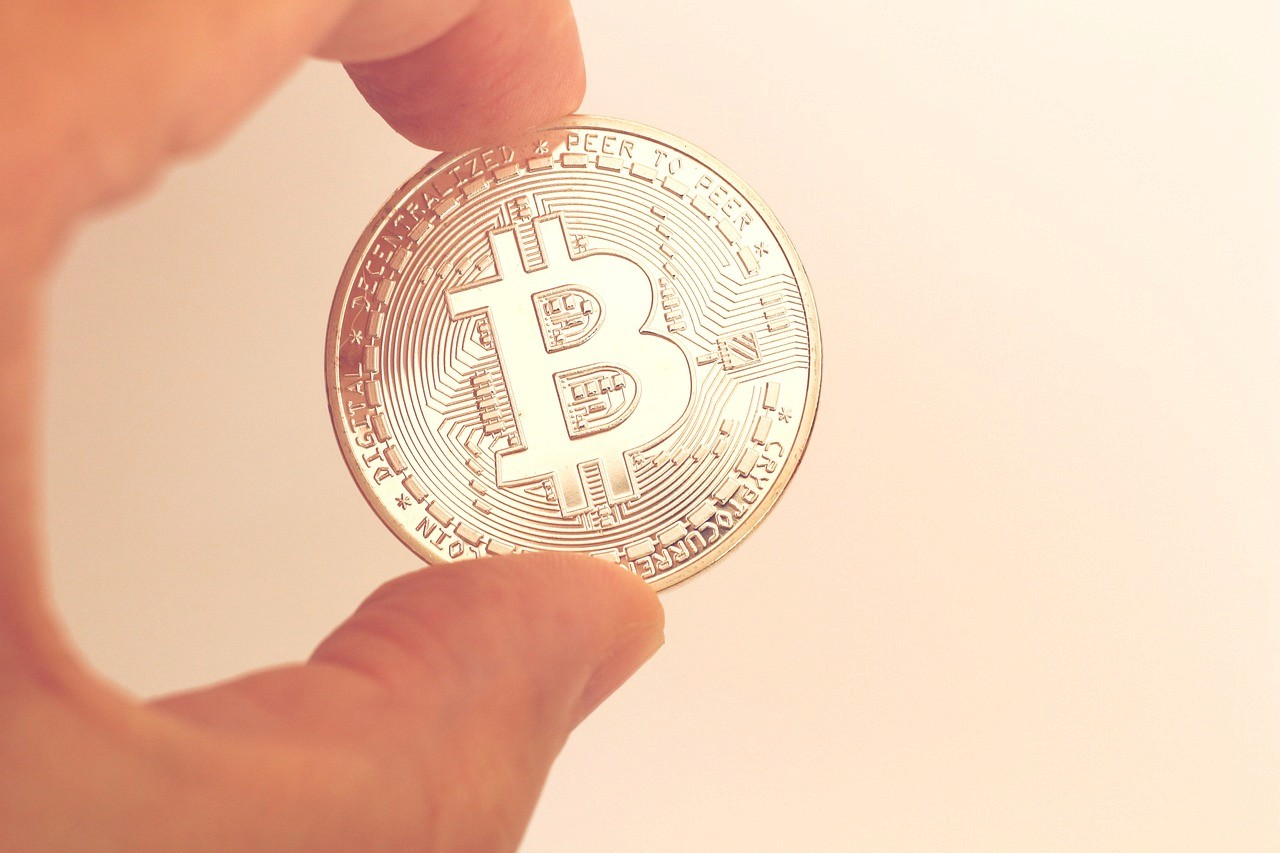
Stablecoins like USDT, USDC, and BUSD have become essential tools in the world of cryptocurrency. Pegged to the US dollar, these digital assets offer traders the stability of fiat currency while enabling fast, borderless blockchain transactions. But with billions of dollars in circulation, one big question remains — how do we know these stablecoins are really backed by reserves?
That’s where stablecoin attestation reports come in. These documents, published by independent accounting firms, offer a snapshot of a stablecoin’s backing at a specific moment in time. But reading them isn’t always straightforward. In this post, we'll break down how to understand these reports, why they matter, and what savvy crypto users should watch for when reviewing them.
What Is a Stablecoin Attestation Report?
A stablecoin attestation report is an independent, third-party confirmation of the reserves backing a stablecoin. It verifies that the issuing company holds enough assets to support the number of stablecoins in circulation.
Key things to know:
Issued by independent firms (like BDO, Grant Thornton, or Moore Cayman)
Typically released monthly or quarterly
Focuses on assets held vs. tokens issued
Unlike a full audit, which reviews internal controls and operational processes, an attestation is a snapshot of reserve assets at a single point in time.
How to Read a Stablecoin Attestation Report
It might look like a dense financial document, but if you know where to look, it reveals a lot.
Key Sections to Focus On
1. Total Supply vs. Total Reserves
Look for a section comparing:
Total stablecoins in circulation
Total assets held in reserve
These numbers should match or show that reserves slightly exceed tokens issued.
Example:
If USDT’s attestation shows $83 billion in reserves for 82.9 billion tokens, that’s a positive sign of full backing.
2. Composition of Reserves
This is one of the most important and revealing sections. Here, the report breaks down what the reserves are actually made of:
Cash and bank deposits
Treasury bills (short-term government securities)
Commercial paper (corporate debt instruments)
Corporate bonds and other investments
What to watch for:
A higher percentage of cash and US Treasury bills signals lower risk.
Heavy reliance on commercial paper or riskier assets can raise stability concerns.
3. Independent Verifier Details
Check who issued the report — credible, licensed accounting firms matter.
The attestation firm’s name, credentials, and signature should be clearly listed.
The date and scope should specify what was verified.
Common Terms You’ll Encounter
Fair Value: Market value of the reserves held
Liabilities: Total stablecoins issued and outstanding
Material Changes: Any significant financial shifts since the last report
Breakdown by Asset Class: Categories like cash, bonds, etc.
Why Stablecoin Attestations Matter
When you hold or trade stablecoins, you’re trusting that one USDT equals one US dollar. That trust hinges on the issuer’s reserves and transparency. Here’s why these attestations are critical:
Builds market confidence
Prevents financial instability and liquidity crises
Identifies risk in reserve composition
Ensures accountability to regulators and users
How Often Should You Check These Reports?
Stablecoin issuers typically release monthly or quarterly attestations. If you regularly use stablecoins for trading, staking, or saving, it’s smart to:
Review new reports when published
Track changes in reserve quality and composition
Compare trends across multiple issuers
You don’t have to be an accountant — just knowing where to look gives you a clearer picture of the digital dollars you rely on.
Conclusion
Reading a stablecoin attestation report may seem technical, but it’s one of the smartest things any crypto trader or investor can do. It reveals whether the stablecoins you trust are genuinely backed, what assets are supporting them, and how safe they really are.
As stablecoins become more integrated into global finance, transparency will matter more than ever. By learning how to interpret these reports, you gain a powerful edge in protecting your funds and making informed crypto decisions.
Stablecoins like USDT, USDC, and BUSD have become essential tools in the world of cryptocurrency. Pegged to the US dollar, these digital assets offer traders the stability of fiat currency while enabling fast, borderless blockchain transactions. But with billions of dollars in circulation, one big question remains — how do we know these stablecoins are really backed by reserves?
That’s where stablecoin attestation reports come in. These documents, published by independent accounting firms, offer a snapshot of a stablecoin’s backing at a specific moment in time. But reading them isn’t always straightforward. In this post, we'll break down how to understand these reports, why they matter, and what savvy crypto users should watch for when reviewing them.
What Is a Stablecoin Attestation Report?
A stablecoin attestation report is an independent, third-party confirmation of the reserves backing a stablecoin. It verifies that the issuing company holds enough assets to support the number of stablecoins in circulation.
Key things to know:
Issued by independent firms (like BDO, Grant Thornton, or Moore Cayman)
Typically released monthly or quarterly
Focuses on assets held vs. tokens issued
Unlike a full audit, which reviews internal controls and operational processes, an attestation is a snapshot of reserve assets at a single point in time.
How to Read a Stablecoin Attestation Report
It might look like a dense financial document, but if you know where to look, it reveals a lot.
Key Sections to Focus On
1. Total Supply vs. Total Reserves
Look for a section comparing:
Total stablecoins in circulation
Total assets held in reserve
These numbers should match or show that reserves slightly exceed tokens issued.
Example:
If USDT’s attestation shows $83 billion in reserves for 82.9 billion tokens, that’s a positive sign of full backing.
2. Composition of Reserves
This is one of the most important and revealing sections. Here, the report breaks down what the reserves are actually made of:
Cash and bank deposits
Treasury bills (short-term government securities)
Commercial paper (corporate debt instruments)
Corporate bonds and other investments
What to watch for:
A higher percentage of cash and US Treasury bills signals lower risk.
Heavy reliance on commercial paper or riskier assets can raise stability concerns.
3. Independent Verifier Details
Check who issued the report — credible, licensed accounting firms matter.
The attestation firm’s name, credentials, and signature should be clearly listed.
The date and scope should specify what was verified.
Common Terms You’ll Encounter
Fair Value: Market value of the reserves held
Liabilities: Total stablecoins issued and outstanding
Material Changes: Any significant financial shifts since the last report
Breakdown by Asset Class: Categories like cash, bonds, etc.
Why Stablecoin Attestations Matter
When you hold or trade stablecoins, you’re trusting that one USDT equals one US dollar. That trust hinges on the issuer’s reserves and transparency. Here’s why these attestations are critical:
Builds market confidence
Prevents financial instability and liquidity crises
Identifies risk in reserve composition
Ensures accountability to regulators and users
How Often Should You Check These Reports?
Stablecoin issuers typically release monthly or quarterly attestations. If you regularly use stablecoins for trading, staking, or saving, it’s smart to:
Review new reports when published
Track changes in reserve quality and composition
Compare trends across multiple issuers
You don’t have to be an accountant — just knowing where to look gives you a clearer picture of the digital dollars you rely on.
Conclusion
Reading a stablecoin attestation report may seem technical, but it’s one of the smartest things any crypto trader or investor can do. It reveals whether the stablecoins you trust are genuinely backed, what assets are supporting them, and how safe they really are.
As stablecoins become more integrated into global finance, transparency will matter more than ever. By learning how to interpret these reports, you gain a powerful edge in protecting your funds and making informed crypto decisions.
Stablecoins like USDT, USDC, and BUSD have become essential tools in the world of cryptocurrency. Pegged to the US dollar, these digital assets offer traders the stability of fiat currency while enabling fast, borderless blockchain transactions. But with billions of dollars in circulation, one big question remains — how do we know these stablecoins are really backed by reserves?
That’s where stablecoin attestation reports come in. These documents, published by independent accounting firms, offer a snapshot of a stablecoin’s backing at a specific moment in time. But reading them isn’t always straightforward. In this post, we'll break down how to understand these reports, why they matter, and what savvy crypto users should watch for when reviewing them.
What Is a Stablecoin Attestation Report?
A stablecoin attestation report is an independent, third-party confirmation of the reserves backing a stablecoin. It verifies that the issuing company holds enough assets to support the number of stablecoins in circulation.
Key things to know:
Issued by independent firms (like BDO, Grant Thornton, or Moore Cayman)
Typically released monthly or quarterly
Focuses on assets held vs. tokens issued
Unlike a full audit, which reviews internal controls and operational processes, an attestation is a snapshot of reserve assets at a single point in time.
How to Read a Stablecoin Attestation Report
It might look like a dense financial document, but if you know where to look, it reveals a lot.
Key Sections to Focus On
1. Total Supply vs. Total Reserves
Look for a section comparing:
Total stablecoins in circulation
Total assets held in reserve
These numbers should match or show that reserves slightly exceed tokens issued.
Example:
If USDT’s attestation shows $83 billion in reserves for 82.9 billion tokens, that’s a positive sign of full backing.
2. Composition of Reserves
This is one of the most important and revealing sections. Here, the report breaks down what the reserves are actually made of:
Cash and bank deposits
Treasury bills (short-term government securities)
Commercial paper (corporate debt instruments)
Corporate bonds and other investments
What to watch for:
A higher percentage of cash and US Treasury bills signals lower risk.
Heavy reliance on commercial paper or riskier assets can raise stability concerns.
3. Independent Verifier Details
Check who issued the report — credible, licensed accounting firms matter.
The attestation firm’s name, credentials, and signature should be clearly listed.
The date and scope should specify what was verified.
Common Terms You’ll Encounter
Fair Value: Market value of the reserves held
Liabilities: Total stablecoins issued and outstanding
Material Changes: Any significant financial shifts since the last report
Breakdown by Asset Class: Categories like cash, bonds, etc.
Why Stablecoin Attestations Matter
When you hold or trade stablecoins, you’re trusting that one USDT equals one US dollar. That trust hinges on the issuer’s reserves and transparency. Here’s why these attestations are critical:
Builds market confidence
Prevents financial instability and liquidity crises
Identifies risk in reserve composition
Ensures accountability to regulators and users
How Often Should You Check These Reports?
Stablecoin issuers typically release monthly or quarterly attestations. If you regularly use stablecoins for trading, staking, or saving, it’s smart to:
Review new reports when published
Track changes in reserve quality and composition
Compare trends across multiple issuers
You don’t have to be an accountant — just knowing where to look gives you a clearer picture of the digital dollars you rely on.
Conclusion
Reading a stablecoin attestation report may seem technical, but it’s one of the smartest things any crypto trader or investor can do. It reveals whether the stablecoins you trust are genuinely backed, what assets are supporting them, and how safe they really are.
As stablecoins become more integrated into global finance, transparency will matter more than ever. By learning how to interpret these reports, you gain a powerful edge in protecting your funds and making informed crypto decisions.

Your ultimate crypto wallet
Join our growing community for exclusive perks!
Your ultimate crypto wallet
Join our growing community for exclusive perks!
Your ultimate crypto wallet
Join our growing community for exclusive perks!
Your ultimate crypto wallet
Join our growing community for exclusive perks!
Your ultimate crypto wallet
Join our growing community for exclusive perks!
Your ultimate crypto wallet
Join our growing community for exclusive perks!