Maldives to build $9 billion crypto hub to attract investment
Maldives to build $9 billion crypto hub to attract investment
Maldives to build $9 billion crypto hub to attract investment
Maldives to build $9 billion crypto hub to attract investment
Maldives to build $9 billion crypto hub to attract investment
Nidhi Rastogi
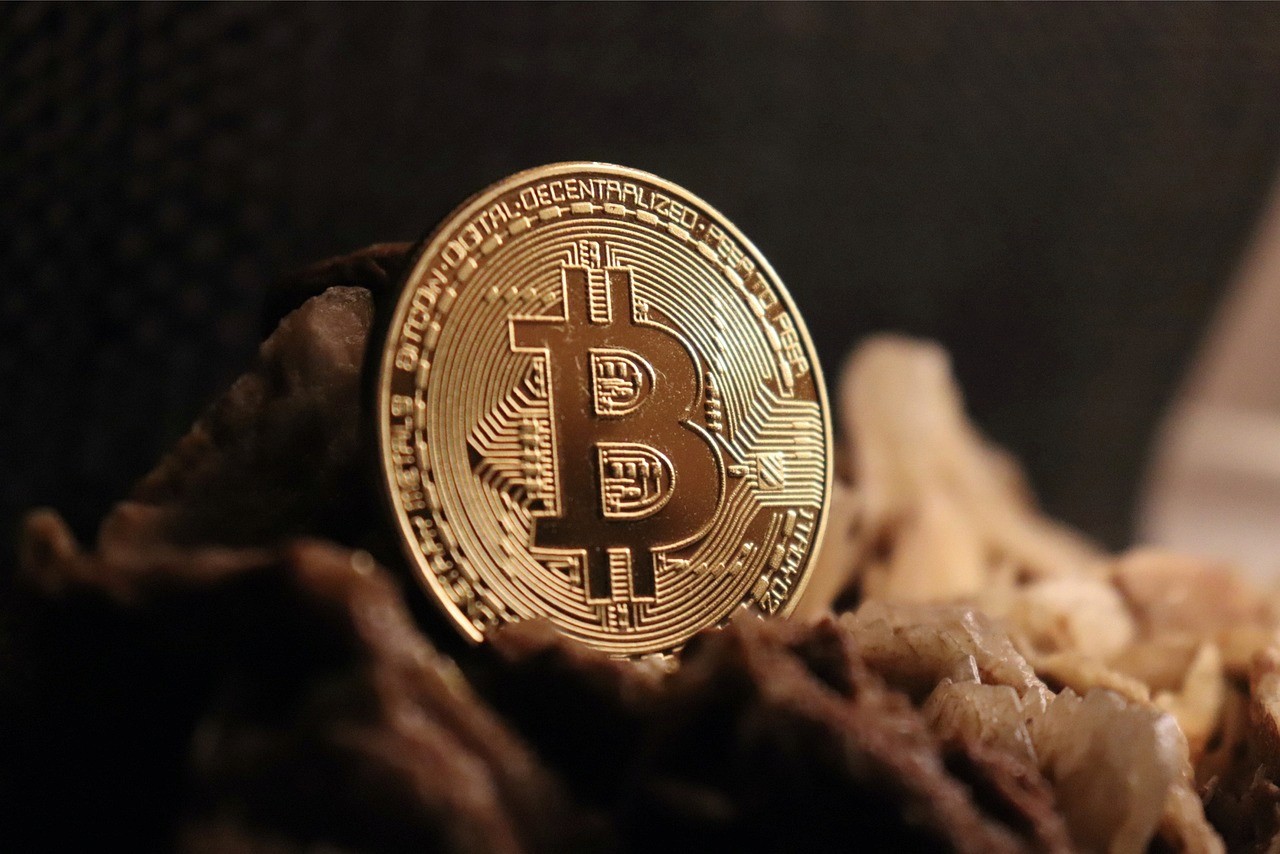
A Paradisiacal Nation Eyes a Digital Future
In a surprising but visionary move, the Maldives—long known for its turquoise waters and luxury resorts—is diving headfirst into the digital economy. With a bold announcement to build a $9 billion crypto hub, the island nation plans to transform itself from a tourist hotspot into a serious contender in the global blockchain and cryptocurrency ecosystem.
This strategic pivot is more than a financial bet; it’s a socio-economic leap. The government hopes the crypto hub will attract global investment, drive innovation, and position the Maldives as a crypto-friendly haven in the Indian Ocean. Amid increasing global crypto adoption, this initiative is part of a broader national strategy to diversify its economy, which currently relies heavily on tourism—an industry vulnerable to global shocks like pandemics and climate change.
Let’s explore what this development means, what the plans entail, and how it could shape the future of the Maldives.
Why the Maldives is Going Crypto
Diversifying Beyond Tourism
The Maldives has long enjoyed economic success through high-end tourism, contributing over 28% to the country’s GDP and 60% of its foreign exchange earnings. However, the pandemic was a wake-up call—tourist arrivals dropped by over 70% in 2020, exposing the fragility of a single-industry economy.
With the crypto market projected to reach $11.71 trillion by 2030, the Maldives sees an opportunity to diversify and future-proof its economy.
Strategic Location & Global Appeal
Located at the crossroads of Asia and the Middle East, the Maldives holds geographical and geopolitical advantages. The crypto hub is expected to serve as a regional financial center, attracting startups, venture capitalists, and tech entrepreneurs from India, Southeast Asia, and the UAE.
Government-Backed Infrastructure
The Maldivian government has earmarked $9 billion for the development of the crypto hub, which includes:
Blockchain-friendly regulations
Special Economic Zones (SEZs) for crypto companies
Tech parks and digital incubators
High-speed internet and data centers
Educational institutions focused on fintech and blockchain
What Will the Crypto Hub Offer?
1. Regulatory Sandbox for Innovation
To foster innovation while managing risks, the Maldives will launch a regulatory sandbox allowing startups to test products under relaxed regulations.
Key features:
Transparent KYC/AML rules
Smart contract governance
Tax incentives for early-stage blockchain firms
2. Digital Residency & Crypto Visas
Taking inspiration from Estonia and Dubai, the Maldives plans to offer digital residency and crypto visas for foreign entrepreneurs.
This includes:
Remote company registration
Access to local banking and payment systems
5-year tax-free operational period
3. A Green Crypto Ecosystem
Environmental concerns around crypto mining are real, but the Maldives intends to take a different route.
The nation plans to power its crypto operations with 100% renewable energy, mostly solar, aligning with its commitment to carbon neutrality by 2030.
Challenges Ahead: Is It Smooth Sailing?
No transformation comes without turbulence. Here are a few speed bumps the Maldivian government must navigate:
Volatile crypto markets: Regulatory stability must be ensured to avoid capital flight.
Global scrutiny: International watchdogs may monitor the Maldives for money laundering or illicit finance risks.
Local capacity: Upskilling the local workforce in blockchain technology will require long-term educational reforms.
But as Finance Minister Ibrahim Ameer aptly put it, “This is not about chasing hype. It’s about building the future—on our terms.”
A Personal Glimpse: More Than Just a Paradise

I still remember my visit to the Maldives in 2018. I was there for the beaches, yes, but what struck me most was the Maldivian youth. They were sharp, educated, and hungry for something more than just tourism jobs. I met Areef, a 24-year-old coding enthusiast from Malé, who was learning Solidity online while juggling a job at a beachfront resort.
Fast-forward to today, and I wonder what this $9 billion initiative could mean for people like Areef. A tech incubator down the street instead of an airport 500 miles away. A job coding smart contracts instead of serving cocktails. This isn’t just a tech project—it’s a social revolution in disguise.
Conclusion: From Beaches to Blockchains
The Maldives’ plan to build a $9 billion crypto hub is not a mere publicity stunt; it’s a strategic realignment of its national identity. By blending its natural allure with digital innovation, the country is offering a rare combination that could attract the best minds and investments from across the globe.
While challenges remain, the long-term vision is clear: to make the Maldives not just a holiday escape, but a hub of crypto innovation in the Indian Ocean.
A Paradisiacal Nation Eyes a Digital Future
In a surprising but visionary move, the Maldives—long known for its turquoise waters and luxury resorts—is diving headfirst into the digital economy. With a bold announcement to build a $9 billion crypto hub, the island nation plans to transform itself from a tourist hotspot into a serious contender in the global blockchain and cryptocurrency ecosystem.
This strategic pivot is more than a financial bet; it’s a socio-economic leap. The government hopes the crypto hub will attract global investment, drive innovation, and position the Maldives as a crypto-friendly haven in the Indian Ocean. Amid increasing global crypto adoption, this initiative is part of a broader national strategy to diversify its economy, which currently relies heavily on tourism—an industry vulnerable to global shocks like pandemics and climate change.
Let’s explore what this development means, what the plans entail, and how it could shape the future of the Maldives.
Why the Maldives is Going Crypto
Diversifying Beyond Tourism
The Maldives has long enjoyed economic success through high-end tourism, contributing over 28% to the country’s GDP and 60% of its foreign exchange earnings. However, the pandemic was a wake-up call—tourist arrivals dropped by over 70% in 2020, exposing the fragility of a single-industry economy.
With the crypto market projected to reach $11.71 trillion by 2030, the Maldives sees an opportunity to diversify and future-proof its economy.
Strategic Location & Global Appeal
Located at the crossroads of Asia and the Middle East, the Maldives holds geographical and geopolitical advantages. The crypto hub is expected to serve as a regional financial center, attracting startups, venture capitalists, and tech entrepreneurs from India, Southeast Asia, and the UAE.
Government-Backed Infrastructure
The Maldivian government has earmarked $9 billion for the development of the crypto hub, which includes:
Blockchain-friendly regulations
Special Economic Zones (SEZs) for crypto companies
Tech parks and digital incubators
High-speed internet and data centers
Educational institutions focused on fintech and blockchain
What Will the Crypto Hub Offer?
1. Regulatory Sandbox for Innovation
To foster innovation while managing risks, the Maldives will launch a regulatory sandbox allowing startups to test products under relaxed regulations.
Key features:
Transparent KYC/AML rules
Smart contract governance
Tax incentives for early-stage blockchain firms
2. Digital Residency & Crypto Visas
Taking inspiration from Estonia and Dubai, the Maldives plans to offer digital residency and crypto visas for foreign entrepreneurs.
This includes:
Remote company registration
Access to local banking and payment systems
5-year tax-free operational period
3. A Green Crypto Ecosystem
Environmental concerns around crypto mining are real, but the Maldives intends to take a different route.
The nation plans to power its crypto operations with 100% renewable energy, mostly solar, aligning with its commitment to carbon neutrality by 2030.
Challenges Ahead: Is It Smooth Sailing?
No transformation comes without turbulence. Here are a few speed bumps the Maldivian government must navigate:
Volatile crypto markets: Regulatory stability must be ensured to avoid capital flight.
Global scrutiny: International watchdogs may monitor the Maldives for money laundering or illicit finance risks.
Local capacity: Upskilling the local workforce in blockchain technology will require long-term educational reforms.
But as Finance Minister Ibrahim Ameer aptly put it, “This is not about chasing hype. It’s about building the future—on our terms.”
A Personal Glimpse: More Than Just a Paradise
I still remember my visit to the Maldives in 2018. I was there for the beaches, yes, but what struck me most was the Maldivian youth. They were sharp, educated, and hungry for something more than just tourism jobs. I met Areef, a 24-year-old coding enthusiast from Malé, who was learning Solidity online while juggling a job at a beachfront resort.
Fast-forward to today, and I wonder what this $9 billion initiative could mean for people like Areef. A tech incubator down the street instead of an airport 500 miles away. A job coding smart contracts instead of serving cocktails. This isn’t just a tech project—it’s a social revolution in disguise.
Conclusion: From Beaches to Blockchains
The Maldives’ plan to build a $9 billion crypto hub is not a mere publicity stunt; it’s a strategic realignment of its national identity. By blending its natural allure with digital innovation, the country is offering a rare combination that could attract the best minds and investments from across the globe.
While challenges remain, the long-term vision is clear: to make the Maldives not just a holiday escape, but a hub of crypto innovation in the Indian Ocean.
A Paradisiacal Nation Eyes a Digital Future
In a surprising but visionary move, the Maldives—long known for its turquoise waters and luxury resorts—is diving headfirst into the digital economy. With a bold announcement to build a $9 billion crypto hub, the island nation plans to transform itself from a tourist hotspot into a serious contender in the global blockchain and cryptocurrency ecosystem.
This strategic pivot is more than a financial bet; it’s a socio-economic leap. The government hopes the crypto hub will attract global investment, drive innovation, and position the Maldives as a crypto-friendly haven in the Indian Ocean. Amid increasing global crypto adoption, this initiative is part of a broader national strategy to diversify its economy, which currently relies heavily on tourism—an industry vulnerable to global shocks like pandemics and climate change.
Let’s explore what this development means, what the plans entail, and how it could shape the future of the Maldives.
Why the Maldives is Going Crypto
Diversifying Beyond Tourism
The Maldives has long enjoyed economic success through high-end tourism, contributing over 28% to the country’s GDP and 60% of its foreign exchange earnings. However, the pandemic was a wake-up call—tourist arrivals dropped by over 70% in 2020, exposing the fragility of a single-industry economy.
With the crypto market projected to reach $11.71 trillion by 2030, the Maldives sees an opportunity to diversify and future-proof its economy.
Strategic Location & Global Appeal
Located at the crossroads of Asia and the Middle East, the Maldives holds geographical and geopolitical advantages. The crypto hub is expected to serve as a regional financial center, attracting startups, venture capitalists, and tech entrepreneurs from India, Southeast Asia, and the UAE.
Government-Backed Infrastructure
The Maldivian government has earmarked $9 billion for the development of the crypto hub, which includes:
Blockchain-friendly regulations
Special Economic Zones (SEZs) for crypto companies
Tech parks and digital incubators
High-speed internet and data centers
Educational institutions focused on fintech and blockchain
What Will the Crypto Hub Offer?
1. Regulatory Sandbox for Innovation
To foster innovation while managing risks, the Maldives will launch a regulatory sandbox allowing startups to test products under relaxed regulations.
Key features:
Transparent KYC/AML rules
Smart contract governance
Tax incentives for early-stage blockchain firms
2. Digital Residency & Crypto Visas
Taking inspiration from Estonia and Dubai, the Maldives plans to offer digital residency and crypto visas for foreign entrepreneurs.
This includes:
Remote company registration
Access to local banking and payment systems
5-year tax-free operational period
3. A Green Crypto Ecosystem
Environmental concerns around crypto mining are real, but the Maldives intends to take a different route.
The nation plans to power its crypto operations with 100% renewable energy, mostly solar, aligning with its commitment to carbon neutrality by 2030.
Challenges Ahead: Is It Smooth Sailing?
No transformation comes without turbulence. Here are a few speed bumps the Maldivian government must navigate:
Volatile crypto markets: Regulatory stability must be ensured to avoid capital flight.
Global scrutiny: International watchdogs may monitor the Maldives for money laundering or illicit finance risks.
Local capacity: Upskilling the local workforce in blockchain technology will require long-term educational reforms.
But as Finance Minister Ibrahim Ameer aptly put it, “This is not about chasing hype. It’s about building the future—on our terms.”
A Personal Glimpse: More Than Just a Paradise
I still remember my visit to the Maldives in 2018. I was there for the beaches, yes, but what struck me most was the Maldivian youth. They were sharp, educated, and hungry for something more than just tourism jobs. I met Areef, a 24-year-old coding enthusiast from Malé, who was learning Solidity online while juggling a job at a beachfront resort.
Fast-forward to today, and I wonder what this $9 billion initiative could mean for people like Areef. A tech incubator down the street instead of an airport 500 miles away. A job coding smart contracts instead of serving cocktails. This isn’t just a tech project—it’s a social revolution in disguise.
Conclusion: From Beaches to Blockchains
The Maldives’ plan to build a $9 billion crypto hub is not a mere publicity stunt; it’s a strategic realignment of its national identity. By blending its natural allure with digital innovation, the country is offering a rare combination that could attract the best minds and investments from across the globe.
While challenges remain, the long-term vision is clear: to make the Maldives not just a holiday escape, but a hub of crypto innovation in the Indian Ocean.

Your ultimate crypto wallet
Join our growing community for exclusive perks!
Your ultimate crypto wallet
Join our growing community for exclusive perks!
Your ultimate crypto wallet
Join our growing community for exclusive perks!
Your ultimate crypto wallet
Join our growing community for exclusive perks!
Your ultimate crypto wallet
Join our growing community for exclusive perks!
Your ultimate crypto wallet
Join our growing community for exclusive perks!