Memecoin degeneracy is funding groundbreaking anti-aging research
Memecoin degeneracy is funding groundbreaking anti-aging research
Memecoin degeneracy is funding groundbreaking anti-aging research
Memecoin degeneracy is funding groundbreaking anti-aging research
Memecoin degeneracy is funding groundbreaking anti-aging research
Nidhi Rastogi
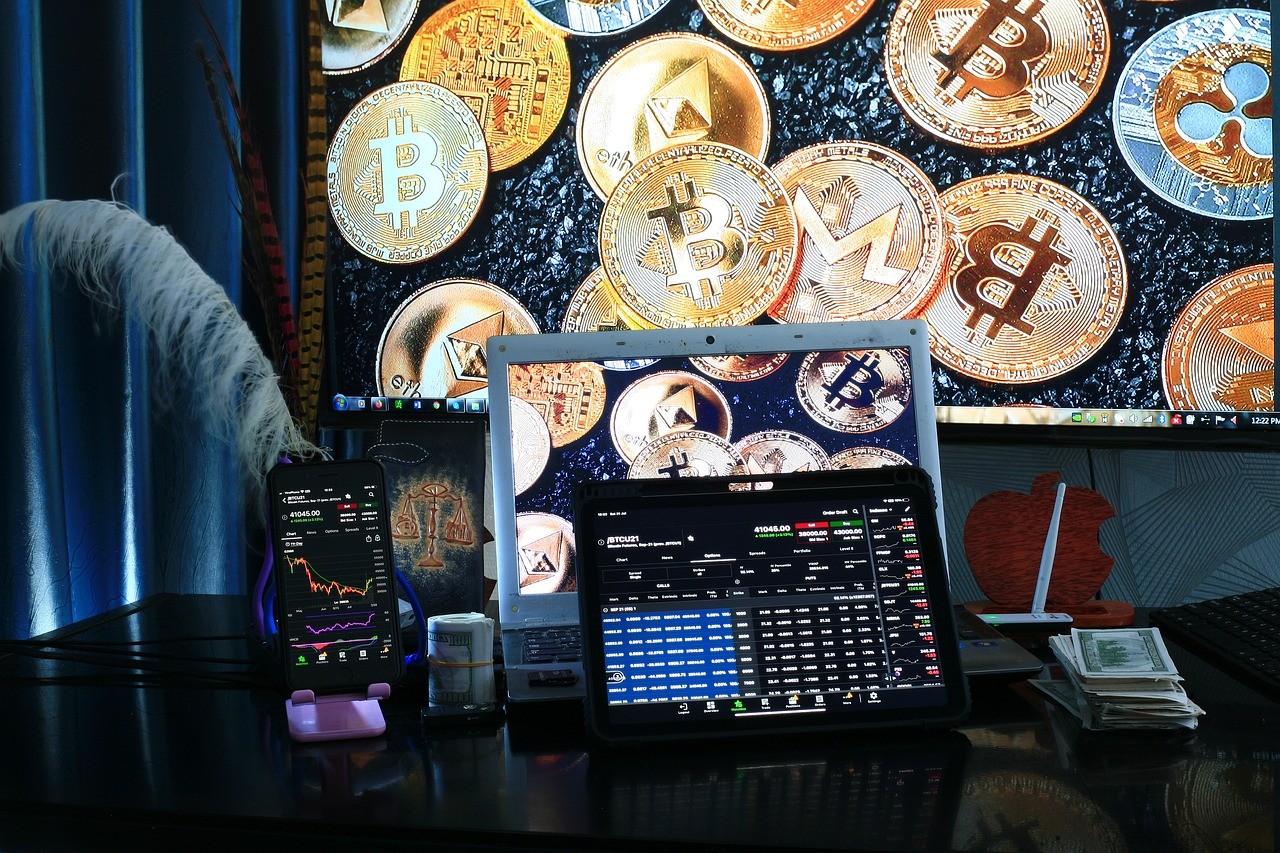
In a world where digital currencies and memes collide, a fascinating phenomenon is unfolding. The so-called "memecoin degeneracy"—a culture of speculative, sometimes reckless investment in meme-based cryptocurrencies—is quietly fueling a far more serious mission: anti-aging research.
From Dogecoin’s viral beginnings to PEPE and Shiba Inu’s explosive rises, these community-driven, joke-like assets have made headlines for minting overnight millionaires and losing fortunes just as fast. But in recent years, a surprising trend has emerged: some of those sudden crypto fortunes are being funneled into cutting-edge longevity science, attempting to delay, prevent, or even reverse aging.
This unlikely intersection between financial memes and life sciences isn’t just a quirky coincidence—it’s becoming a curious, quietly impactful funding pipeline for radical health research.
How Memecoins Created Instant Millionaires
The Rise of Degenerate Memecoin Culture
Memecoins like Dogecoin, Shiba Inu, FLOKI, and PEPE weren’t built on technical utility — they thrived on hype, memes, and social media buzz. Investors, or “degenerates” as they often self-identify, gambled on these coins purely for fun or speculative profits.
Dogecoin’s market cap hit $90 billion at its peak in 2021, thanks largely to Elon Musk’s tweets.
Memecoins today often launch with tiny market caps and explode overnight due to viral social media trends.
Investors bet small amounts and sometimes earn life-changing returns within hours or days.
This culture celebrates high-risk, high-reward behavior with little concern for fundamentals. Yet those fleeting digital wins have begun seeping into very real-world initiatives.
How Memecoin Fortunes Are Funding Anti-Aging Research
Crypto Degenerates Meet Longevity Science
A growing number of crypto millionaires are choosing to fund anti-aging research labs, biotech startups, and longevity-focused charities. Why? It’s partly a philosophical overlap: both communities value disruption, long-term thinking, and defiance of conventional norms.
Notable cases include:
Vitalik Buterin, co-founder of Ethereum, has donated over $25 million to anti-aging and life-extension research.
Richard Heart, founder of HEX, is launching a longevity research foundation funded partly by crypto earnings.
Longevity Vision Fund, backed by early crypto adopters, has invested over $100 million in biotech ventures targeting age-related diseases.
Memecoin profits have essentially created a new class of young, risk-tolerant benefactors eager to invest in extending human healthspan.
Why Anti-Aging Research Appeals to Crypto Investors
Shared Mindset: Defy the Impossible
At their core, both crypto and longevity research attract futurists, skeptics of authority, and those willing to defy traditional systems.
Crypto disrupts financial systems; longevity research challenges biological limits.
Both movements thrive in decentralized, community-driven, and speculative spaces.
Investors often view extending lifespan as the ultimate return on investment.
It’s no coincidence that anti-aging research, historically underfunded and viewed as fringe science, is now rapidly advancing thanks to these bold, often unconventional patrons.
What This Means for the Future of Health and Crypto
A New Funding Pipeline for Radical Science
The fusion of speculative crypto profits and serious longevity science is helping accelerate progress in areas like:
Gene therapy for age-related diseases
Senolytics to remove aging cells
Regenerative medicine and stem cell technology
AI-driven drug discovery for extending lifespan
These areas are traditionally overlooked by mainstream healthcare investors due to their high risk and long development cycles. But for memecoin-backed crypto investors, those odds look strikingly familiar — and acceptable.
Conclusion
What began as a reckless, meme-fueled gold rush is evolving into something far more meaningful. Memecoin degeneracy, with its fast fortunes and fearless investors, is funding some of the boldest anti-aging research on the planet. This unlikely pairing of speculative internet culture and life-extension science is reshaping how medical breakthroughs are funded — and who gets to drive them.
In a world where digital currencies and memes collide, a fascinating phenomenon is unfolding. The so-called "memecoin degeneracy"—a culture of speculative, sometimes reckless investment in meme-based cryptocurrencies—is quietly fueling a far more serious mission: anti-aging research.
From Dogecoin’s viral beginnings to PEPE and Shiba Inu’s explosive rises, these community-driven, joke-like assets have made headlines for minting overnight millionaires and losing fortunes just as fast. But in recent years, a surprising trend has emerged: some of those sudden crypto fortunes are being funneled into cutting-edge longevity science, attempting to delay, prevent, or even reverse aging.
This unlikely intersection between financial memes and life sciences isn’t just a quirky coincidence—it’s becoming a curious, quietly impactful funding pipeline for radical health research.
How Memecoins Created Instant Millionaires
The Rise of Degenerate Memecoin Culture
Memecoins like Dogecoin, Shiba Inu, FLOKI, and PEPE weren’t built on technical utility — they thrived on hype, memes, and social media buzz. Investors, or “degenerates” as they often self-identify, gambled on these coins purely for fun or speculative profits.
Dogecoin’s market cap hit $90 billion at its peak in 2021, thanks largely to Elon Musk’s tweets.
Memecoins today often launch with tiny market caps and explode overnight due to viral social media trends.
Investors bet small amounts and sometimes earn life-changing returns within hours or days.
This culture celebrates high-risk, high-reward behavior with little concern for fundamentals. Yet those fleeting digital wins have begun seeping into very real-world initiatives.
How Memecoin Fortunes Are Funding Anti-Aging Research
Crypto Degenerates Meet Longevity Science
A growing number of crypto millionaires are choosing to fund anti-aging research labs, biotech startups, and longevity-focused charities. Why? It’s partly a philosophical overlap: both communities value disruption, long-term thinking, and defiance of conventional norms.
Notable cases include:
Vitalik Buterin, co-founder of Ethereum, has donated over $25 million to anti-aging and life-extension research.
Richard Heart, founder of HEX, is launching a longevity research foundation funded partly by crypto earnings.
Longevity Vision Fund, backed by early crypto adopters, has invested over $100 million in biotech ventures targeting age-related diseases.
Memecoin profits have essentially created a new class of young, risk-tolerant benefactors eager to invest in extending human healthspan.
Why Anti-Aging Research Appeals to Crypto Investors
Shared Mindset: Defy the Impossible
At their core, both crypto and longevity research attract futurists, skeptics of authority, and those willing to defy traditional systems.
Crypto disrupts financial systems; longevity research challenges biological limits.
Both movements thrive in decentralized, community-driven, and speculative spaces.
Investors often view extending lifespan as the ultimate return on investment.
It’s no coincidence that anti-aging research, historically underfunded and viewed as fringe science, is now rapidly advancing thanks to these bold, often unconventional patrons.
What This Means for the Future of Health and Crypto
A New Funding Pipeline for Radical Science
The fusion of speculative crypto profits and serious longevity science is helping accelerate progress in areas like:
Gene therapy for age-related diseases
Senolytics to remove aging cells
Regenerative medicine and stem cell technology
AI-driven drug discovery for extending lifespan
These areas are traditionally overlooked by mainstream healthcare investors due to their high risk and long development cycles. But for memecoin-backed crypto investors, those odds look strikingly familiar — and acceptable.
Conclusion
What began as a reckless, meme-fueled gold rush is evolving into something far more meaningful. Memecoin degeneracy, with its fast fortunes and fearless investors, is funding some of the boldest anti-aging research on the planet. This unlikely pairing of speculative internet culture and life-extension science is reshaping how medical breakthroughs are funded — and who gets to drive them.
In a world where digital currencies and memes collide, a fascinating phenomenon is unfolding. The so-called "memecoin degeneracy"—a culture of speculative, sometimes reckless investment in meme-based cryptocurrencies—is quietly fueling a far more serious mission: anti-aging research.
From Dogecoin’s viral beginnings to PEPE and Shiba Inu’s explosive rises, these community-driven, joke-like assets have made headlines for minting overnight millionaires and losing fortunes just as fast. But in recent years, a surprising trend has emerged: some of those sudden crypto fortunes are being funneled into cutting-edge longevity science, attempting to delay, prevent, or even reverse aging.
This unlikely intersection between financial memes and life sciences isn’t just a quirky coincidence—it’s becoming a curious, quietly impactful funding pipeline for radical health research.
How Memecoins Created Instant Millionaires
The Rise of Degenerate Memecoin Culture
Memecoins like Dogecoin, Shiba Inu, FLOKI, and PEPE weren’t built on technical utility — they thrived on hype, memes, and social media buzz. Investors, or “degenerates” as they often self-identify, gambled on these coins purely for fun or speculative profits.
Dogecoin’s market cap hit $90 billion at its peak in 2021, thanks largely to Elon Musk’s tweets.
Memecoins today often launch with tiny market caps and explode overnight due to viral social media trends.
Investors bet small amounts and sometimes earn life-changing returns within hours or days.
This culture celebrates high-risk, high-reward behavior with little concern for fundamentals. Yet those fleeting digital wins have begun seeping into very real-world initiatives.
How Memecoin Fortunes Are Funding Anti-Aging Research
Crypto Degenerates Meet Longevity Science
A growing number of crypto millionaires are choosing to fund anti-aging research labs, biotech startups, and longevity-focused charities. Why? It’s partly a philosophical overlap: both communities value disruption, long-term thinking, and defiance of conventional norms.
Notable cases include:
Vitalik Buterin, co-founder of Ethereum, has donated over $25 million to anti-aging and life-extension research.
Richard Heart, founder of HEX, is launching a longevity research foundation funded partly by crypto earnings.
Longevity Vision Fund, backed by early crypto adopters, has invested over $100 million in biotech ventures targeting age-related diseases.
Memecoin profits have essentially created a new class of young, risk-tolerant benefactors eager to invest in extending human healthspan.
Why Anti-Aging Research Appeals to Crypto Investors
Shared Mindset: Defy the Impossible
At their core, both crypto and longevity research attract futurists, skeptics of authority, and those willing to defy traditional systems.
Crypto disrupts financial systems; longevity research challenges biological limits.
Both movements thrive in decentralized, community-driven, and speculative spaces.
Investors often view extending lifespan as the ultimate return on investment.
It’s no coincidence that anti-aging research, historically underfunded and viewed as fringe science, is now rapidly advancing thanks to these bold, often unconventional patrons.
What This Means for the Future of Health and Crypto
A New Funding Pipeline for Radical Science
The fusion of speculative crypto profits and serious longevity science is helping accelerate progress in areas like:
Gene therapy for age-related diseases
Senolytics to remove aging cells
Regenerative medicine and stem cell technology
AI-driven drug discovery for extending lifespan
These areas are traditionally overlooked by mainstream healthcare investors due to their high risk and long development cycles. But for memecoin-backed crypto investors, those odds look strikingly familiar — and acceptable.
Conclusion
What began as a reckless, meme-fueled gold rush is evolving into something far more meaningful. Memecoin degeneracy, with its fast fortunes and fearless investors, is funding some of the boldest anti-aging research on the planet. This unlikely pairing of speculative internet culture and life-extension science is reshaping how medical breakthroughs are funded — and who gets to drive them.

Your ultimate crypto wallet
Join our growing community for exclusive perks!
Your ultimate crypto wallet
Join our growing community for exclusive perks!
Your ultimate crypto wallet
Join our growing community for exclusive perks!
Your ultimate crypto wallet
Join our growing community for exclusive perks!
Your ultimate crypto wallet
Join our growing community for exclusive perks!
Your ultimate crypto wallet
Join our growing community for exclusive perks!