Tokenization of Assets: Transforming Traditional Investments into Digital Formats
Tokenization of Assets: Transforming Traditional Investments into Digital Formats
Tokenization of Assets: Transforming Traditional Investments into Digital Formats
Tokenization of Assets: Transforming Traditional Investments into Digital Formats
Tokenization of Assets: Transforming Traditional Investments into Digital Formats
Nidhi Rastogi
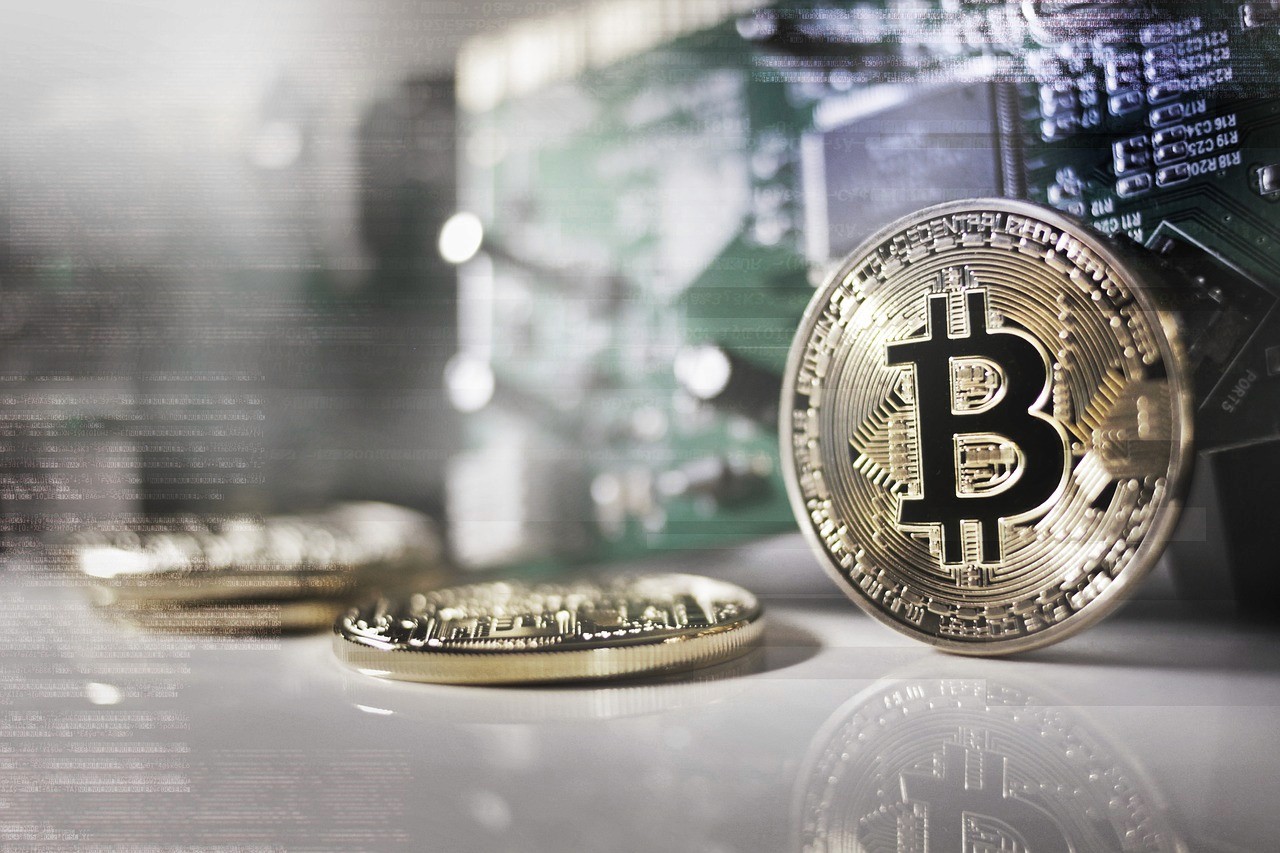
In the heart of New York City, a young professional named Maya found herself intrigued by the world of investments but daunted by the high barriers to entry in sectors like real estate and fine art. Traditional investment avenues seemed out of reach until she stumbled upon the concept of asset tokenization—a revolutionary process converting physical assets into digital tokens on a blockchain.
This innovation promised to democratize investment opportunities, allowing individuals like Maya to own fractions of high-value assets. Intrigued, she delved deeper into this emerging trend reshaping the financial landscape.
Understanding Asset Tokenization
Asset tokenization involves creating a digital representation of a tangible or intangible asset on a blockchain. These digital tokens signify ownership and can be traded or transferred seamlessly. Assets commonly tokenized include:McKinsey & Company
Real Estate: Properties divided into digital shares, enabling fractional ownership.
Art and Collectibles: High-value artworks and rare items made accessible to a broader range of investors.
Commodities: Precious metals and other goods represented digitally for easier trading.
Financial Instruments: Stocks, bonds, and other securities transformed into digital tokens.
This process not only enhances liquidity but also opens up investment opportunities to a wider audience.
The Surge of Tokenization in Financial Markets
The financial sector is witnessing a significant shift towards tokenization. Major institutions are recognizing its potential:
Fidelity Investments plans to launch its own stablecoin, aligning with its decade-long involvement in digital assets and aiming to compete with giants like BlackRock and Franklin Templeton.
Janus Henderson is exploring securities tokenization to reduce costs and enhance efficiency, managing the $11 million Anemoy Liquid Treasury Fund to leverage blockchain technology. Financial Times
State Street is considering the establishment of tokenized bonds and money market funds, aiming to integrate cryptocurrency technology within traditional financial frameworks. Financial News London
These developments underscore a growing confidence in tokenization's ability to revolutionize asset management.chainup.com
Benefits Driving the Adoption of Tokenization
The shift towards asset tokenization is propelled by several compelling advantages:
Enhanced Liquidity: Tokenization enables fractional ownership, allowing assets traditionally considered illiquid, like real estate, to be bought and sold in smaller portions, thus increasing market fluidity.
Increased Accessibility: By lowering the investment threshold, tokenization democratizes access to high-value assets, enabling a broader range of investors to participate.
Cost Efficiency: Blockchain technology reduces the need for intermediaries, thereby decreasing transaction costs and streamlining processes.
Transparency and Security: The immutable nature of blockchain ensures transparent and secure transactions, reducing fraud and enhancing trust among investors.
These benefits are not just theoretical; they are being realized in various sectors, reshaping traditional investment paradigms.
Real-World Applications and Success Stories
The practical applications of tokenization are vast and varied:
Real Estate: Platforms like Lofty and RealT are leading the way in real estate tokenization, allowing investors to purchase fractional ownership in properties. This approach lowers the barrier to entry in high-value real estate markets, making it more accessible to a broader range of investors. Financial Times
Art and Collectibles: Tokenization is transforming the art world by enabling fractional ownership of high-value artworks, thus democratizing access to art investment and increasing market liquidity.
Commodities: Companies like Realize are launching tokenized funds investing in U.S. Treasury-focused ETFs, converting these assets into digital tokens tradable on blockchain networks, thereby enhancing accessibility and efficiency.
These examples illustrate the tangible impact of tokenization across various asset classes.
Challenges and Considerations in Asset Tokenization
Despite its promise, tokenization faces several challenges:
Regulatory Uncertainty: Navigating the complex and evolving regulatory landscape requires careful consideration to ensure compliance and protect investors.
Security Concerns: Ensuring robust security measures is crucial to protect against hacking and fraud, safeguarding investor assets.
Market Acceptance: Achieving widespread adoption necessitates building trust and understanding among investors and institutions, highlighting the benefits and addressing potential risks.
Addressing these challenges is essential for the sustainable growth of tokenized markets.
The Future of Asset Tokenization
Looking ahead, the trajectory of asset tokenization appears promising:
Market Growth: Experts project that the tokenized asset market could reach a value of $17 trillion by 2030, reflecting its transformative potential.
Technological Advancements: Ongoing developments in blockchain technology are expected to further enhance the efficiency and security of tokenized assets.
Regulatory Developments: As regulatory frameworks evolve, clearer guidelines will likely emerge, facilitating broader adoption and integration into mainstream finance.
These factors collectively indicate a dynamic and evolving landscape for asset tokenization.
In the heart of New York City, a young professional named Maya found herself intrigued by the world of investments but daunted by the high barriers to entry in sectors like real estate and fine art. Traditional investment avenues seemed out of reach until she stumbled upon the concept of asset tokenization—a revolutionary process converting physical assets into digital tokens on a blockchain.
This innovation promised to democratize investment opportunities, allowing individuals like Maya to own fractions of high-value assets. Intrigued, she delved deeper into this emerging trend reshaping the financial landscape.
Understanding Asset Tokenization
Asset tokenization involves creating a digital representation of a tangible or intangible asset on a blockchain. These digital tokens signify ownership and can be traded or transferred seamlessly. Assets commonly tokenized include:McKinsey & Company
Real Estate: Properties divided into digital shares, enabling fractional ownership.
Art and Collectibles: High-value artworks and rare items made accessible to a broader range of investors.
Commodities: Precious metals and other goods represented digitally for easier trading.
Financial Instruments: Stocks, bonds, and other securities transformed into digital tokens.
This process not only enhances liquidity but also opens up investment opportunities to a wider audience.
The Surge of Tokenization in Financial Markets
The financial sector is witnessing a significant shift towards tokenization. Major institutions are recognizing its potential:
Fidelity Investments plans to launch its own stablecoin, aligning with its decade-long involvement in digital assets and aiming to compete with giants like BlackRock and Franklin Templeton.
Janus Henderson is exploring securities tokenization to reduce costs and enhance efficiency, managing the $11 million Anemoy Liquid Treasury Fund to leverage blockchain technology. Financial Times
State Street is considering the establishment of tokenized bonds and money market funds, aiming to integrate cryptocurrency technology within traditional financial frameworks. Financial News London
These developments underscore a growing confidence in tokenization's ability to revolutionize asset management.chainup.com
Benefits Driving the Adoption of Tokenization
The shift towards asset tokenization is propelled by several compelling advantages:
Enhanced Liquidity: Tokenization enables fractional ownership, allowing assets traditionally considered illiquid, like real estate, to be bought and sold in smaller portions, thus increasing market fluidity.
Increased Accessibility: By lowering the investment threshold, tokenization democratizes access to high-value assets, enabling a broader range of investors to participate.
Cost Efficiency: Blockchain technology reduces the need for intermediaries, thereby decreasing transaction costs and streamlining processes.
Transparency and Security: The immutable nature of blockchain ensures transparent and secure transactions, reducing fraud and enhancing trust among investors.
These benefits are not just theoretical; they are being realized in various sectors, reshaping traditional investment paradigms.
Real-World Applications and Success Stories
The practical applications of tokenization are vast and varied:
Real Estate: Platforms like Lofty and RealT are leading the way in real estate tokenization, allowing investors to purchase fractional ownership in properties. This approach lowers the barrier to entry in high-value real estate markets, making it more accessible to a broader range of investors. Financial Times
Art and Collectibles: Tokenization is transforming the art world by enabling fractional ownership of high-value artworks, thus democratizing access to art investment and increasing market liquidity.
Commodities: Companies like Realize are launching tokenized funds investing in U.S. Treasury-focused ETFs, converting these assets into digital tokens tradable on blockchain networks, thereby enhancing accessibility and efficiency.
These examples illustrate the tangible impact of tokenization across various asset classes.
Challenges and Considerations in Asset Tokenization
Despite its promise, tokenization faces several challenges:
Regulatory Uncertainty: Navigating the complex and evolving regulatory landscape requires careful consideration to ensure compliance and protect investors.
Security Concerns: Ensuring robust security measures is crucial to protect against hacking and fraud, safeguarding investor assets.
Market Acceptance: Achieving widespread adoption necessitates building trust and understanding among investors and institutions, highlighting the benefits and addressing potential risks.
Addressing these challenges is essential for the sustainable growth of tokenized markets.
The Future of Asset Tokenization
Looking ahead, the trajectory of asset tokenization appears promising:
Market Growth: Experts project that the tokenized asset market could reach a value of $17 trillion by 2030, reflecting its transformative potential.
Technological Advancements: Ongoing developments in blockchain technology are expected to further enhance the efficiency and security of tokenized assets.
Regulatory Developments: As regulatory frameworks evolve, clearer guidelines will likely emerge, facilitating broader adoption and integration into mainstream finance.
These factors collectively indicate a dynamic and evolving landscape for asset tokenization.
In the heart of New York City, a young professional named Maya found herself intrigued by the world of investments but daunted by the high barriers to entry in sectors like real estate and fine art. Traditional investment avenues seemed out of reach until she stumbled upon the concept of asset tokenization—a revolutionary process converting physical assets into digital tokens on a blockchain.
This innovation promised to democratize investment opportunities, allowing individuals like Maya to own fractions of high-value assets. Intrigued, she delved deeper into this emerging trend reshaping the financial landscape.
Understanding Asset Tokenization
Asset tokenization involves creating a digital representation of a tangible or intangible asset on a blockchain. These digital tokens signify ownership and can be traded or transferred seamlessly. Assets commonly tokenized include:McKinsey & Company
Real Estate: Properties divided into digital shares, enabling fractional ownership.
Art and Collectibles: High-value artworks and rare items made accessible to a broader range of investors.
Commodities: Precious metals and other goods represented digitally for easier trading.
Financial Instruments: Stocks, bonds, and other securities transformed into digital tokens.
This process not only enhances liquidity but also opens up investment opportunities to a wider audience.
The Surge of Tokenization in Financial Markets
The financial sector is witnessing a significant shift towards tokenization. Major institutions are recognizing its potential:
Fidelity Investments plans to launch its own stablecoin, aligning with its decade-long involvement in digital assets and aiming to compete with giants like BlackRock and Franklin Templeton.
Janus Henderson is exploring securities tokenization to reduce costs and enhance efficiency, managing the $11 million Anemoy Liquid Treasury Fund to leverage blockchain technology. Financial Times
State Street is considering the establishment of tokenized bonds and money market funds, aiming to integrate cryptocurrency technology within traditional financial frameworks. Financial News London
These developments underscore a growing confidence in tokenization's ability to revolutionize asset management.chainup.com
Benefits Driving the Adoption of Tokenization
The shift towards asset tokenization is propelled by several compelling advantages:
Enhanced Liquidity: Tokenization enables fractional ownership, allowing assets traditionally considered illiquid, like real estate, to be bought and sold in smaller portions, thus increasing market fluidity.
Increased Accessibility: By lowering the investment threshold, tokenization democratizes access to high-value assets, enabling a broader range of investors to participate.
Cost Efficiency: Blockchain technology reduces the need for intermediaries, thereby decreasing transaction costs and streamlining processes.
Transparency and Security: The immutable nature of blockchain ensures transparent and secure transactions, reducing fraud and enhancing trust among investors.
These benefits are not just theoretical; they are being realized in various sectors, reshaping traditional investment paradigms.
Real-World Applications and Success Stories
The practical applications of tokenization are vast and varied:
Real Estate: Platforms like Lofty and RealT are leading the way in real estate tokenization, allowing investors to purchase fractional ownership in properties. This approach lowers the barrier to entry in high-value real estate markets, making it more accessible to a broader range of investors. Financial Times
Art and Collectibles: Tokenization is transforming the art world by enabling fractional ownership of high-value artworks, thus democratizing access to art investment and increasing market liquidity.
Commodities: Companies like Realize are launching tokenized funds investing in U.S. Treasury-focused ETFs, converting these assets into digital tokens tradable on blockchain networks, thereby enhancing accessibility and efficiency.
These examples illustrate the tangible impact of tokenization across various asset classes.
Challenges and Considerations in Asset Tokenization
Despite its promise, tokenization faces several challenges:
Regulatory Uncertainty: Navigating the complex and evolving regulatory landscape requires careful consideration to ensure compliance and protect investors.
Security Concerns: Ensuring robust security measures is crucial to protect against hacking and fraud, safeguarding investor assets.
Market Acceptance: Achieving widespread adoption necessitates building trust and understanding among investors and institutions, highlighting the benefits and addressing potential risks.
Addressing these challenges is essential for the sustainable growth of tokenized markets.
The Future of Asset Tokenization
Looking ahead, the trajectory of asset tokenization appears promising:
Market Growth: Experts project that the tokenized asset market could reach a value of $17 trillion by 2030, reflecting its transformative potential.
Technological Advancements: Ongoing developments in blockchain technology are expected to further enhance the efficiency and security of tokenized assets.
Regulatory Developments: As regulatory frameworks evolve, clearer guidelines will likely emerge, facilitating broader adoption and integration into mainstream finance.
These factors collectively indicate a dynamic and evolving landscape for asset tokenization.
Your ultimate crypto wallet
Join our growing community for exclusive perks!
Your ultimate crypto wallet
Join our growing community for exclusive perks!
Your ultimate crypto wallet
Join our growing community for exclusive perks!
Your ultimate crypto wallet
Join our growing community for exclusive perks!
Your ultimate crypto wallet
Join our growing community for exclusive perks!
Your ultimate crypto wallet
Join our growing community for exclusive perks!