Trump’s Bitcoin Reserve Disappoints Investors—Why is Crypto Still Crashing
Trump’s Bitcoin Reserve Disappoints Investors—Why is Crypto Still Crashing
Trump’s Bitcoin Reserve Disappoints Investors—Why is Crypto Still Crashing
Trump’s Bitcoin Reserve Disappoints Investors—Why is Crypto Still Crashing
Trump’s Bitcoin Reserve Disappoints Investors—Why is Crypto Still Crashing
Shashank Kothari

Cryptocurrency markets are known for their volatility, but since Donald Trump took office in January 2025, these fluctuations have reached unprecedented levels. Initially, Trump’s victory was perceived as highly positive for crypto, leading Bitcoin, Ethereum, and meme coins like $TRUMP and Dogecoin to surge to new highs. Bitcoin soared to a remarkable all-time high of $109,588 on the day of Trump's inauguration, reflecting immense market optimism.
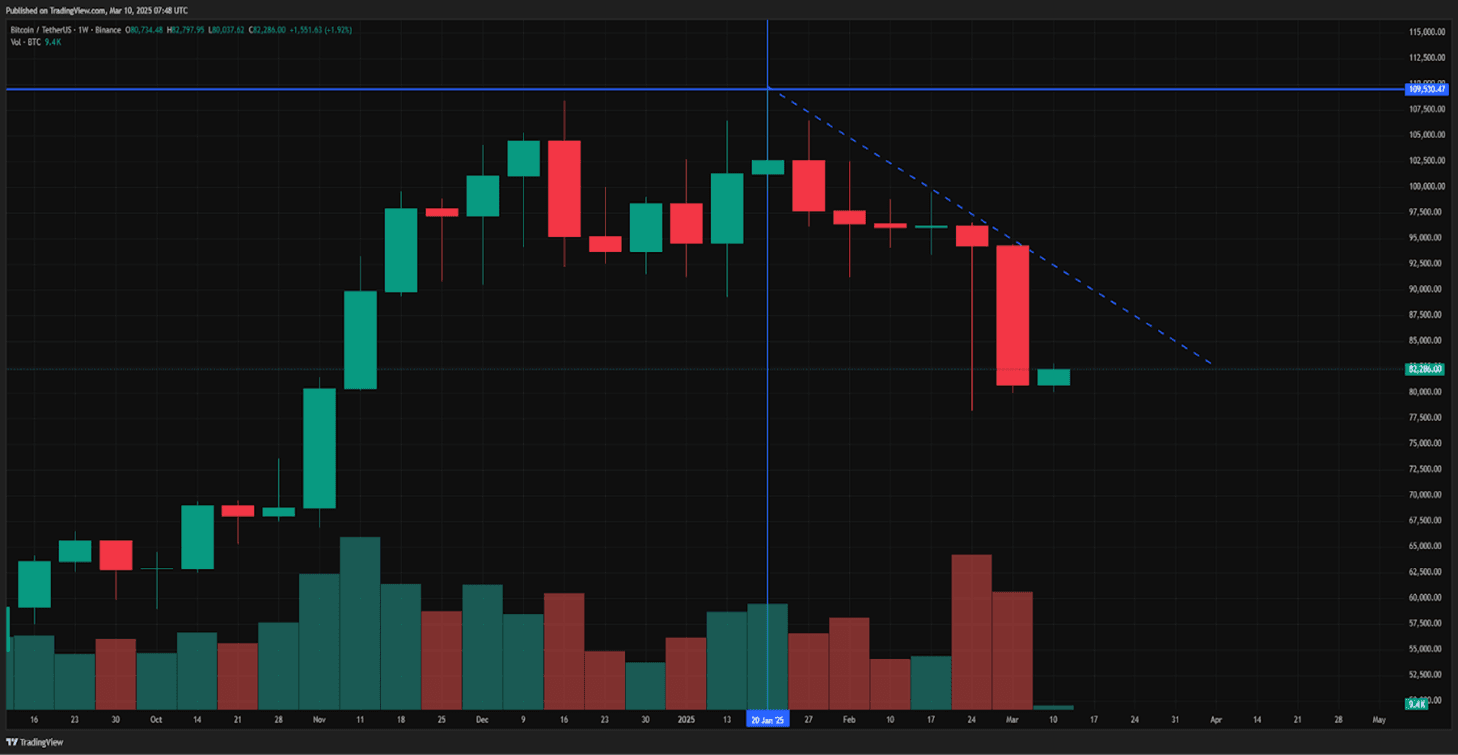
However, the euphoria was short-lived. Bitcoin and altcoins quickly began a steady decline, reaching lower lows week after week, now hovering around $80,000-$85,000, with growing fears of further declines.
Even Trump's recent executive order announcing the creation of a strategic Bitcoin reserve for the U.S. has failed to significantly boost the market. Although the order sparked an initial excitement, disappointment quickly set in due to a lack of specific buying strategies and timelines. The move left investors uncertain and hesitant, leading to continued sell-offs.
Rachel Lin, CEO of SynFutures, notes, "The lack of new demand and uncertainty about future government actions are preventing a significant rally."
Why, despite Trump's pro-crypto stance, is the market continuing to swing unpredictably? This article explores the key factors causing extreme market fluctuations during Trump's administration.
The Initial Trump Effect: Why Crypto Surged Post-Election
Trump’s election victory in November 2024 was immediately bullish for cryptocurrencies. He had publicly supported Bitcoin, opposed Central Bank Digital Currencies (CBDCs), and advocated for crypto-friendly regulations. This optimism drove retail and institutional investors into the market, sparking significant buying pressure. Bitcoin soared from around $60,000 pre-election to over $107,000 by early January 2025, propelled by expectations of deregulation and wider adoption.
Further fueling the market were major institutional breakthroughs, particularly the approval of Bitcoin and Ethereum ETFs. This institutional backing boosted confidence, adding billions in fresh capital into the market. Meme coins, notably Trump-themed $TRUMP, surged dramatically as speculative investors sought quick profits.
Post-Surge: Why is Crypto Correcting Now?
Profit-Taking & Market Cycles

After substantial gains, profit-taking by whales and early investors was inevitable. Bitcoin’s peak near $109,588 created an attractive selling opportunity, prompting significant capital withdrawals. Meme coins like $TRUMP and Dogecoin, notorious for pump-and-dump dynamics, experienced severe sell-offs as investors cashed out, deepening market corrections.
Macroeconomic Factors (Inflation & Interest Rates)
High inflation persists, recently printing a Consumer Price Index (CPI) at 3.3%, prompting expectations that the Federal Reserve may keep interest rates elevated. Higher rates reduce market liquidity and encourage capital to flow into safer assets like bonds rather than riskier crypto holdings. This macroeconomic pressure significantly contributes to the current bearish environment.
Regulatory Uncertainty Still Looms
While Trump personally supports crypto, regulatory uncertainty remains. Agencies such as the SEC and the U.S. Treasury haven't clearly aligned with Trump's pro-crypto stance. Ongoing lawsuits, such as Ripple’s battle with the SEC and Coinbase’s regulatory struggles, have created further uncertainty, prompting investor caution.
An example of this regulatory caution was evident when Bitwise filed for a DOGE ETF, initially seen positively, but instead resulted in a 4% price drop due to fears of regulatory delays or rejections.
New Risks and Uncertainties Keeping Prices Volatile
Market Overreaction & Speculation

Meme coins like $TRUMP, BONK, and WIF have brought significant speculative capital into the market. However, these tokens also amplify volatility, as they quickly rise and fall based purely on short-term hype. Such speculation-driven activity contributes significantly to current market instability, with traders constantly shifting focus.
Trump’s Policies Are Still Unclear
Despite Trump's crypto-friendly image, his administration’s actions lack clarity. The executive order establishing a strategic Bitcoin reserve, for example, disappointed investors due to its ambiguity about timing and specific purchasing strategies. Without clear guidelines, investors remain hesitant, and the market swings continue.
Institutional Players Entering & Exiting
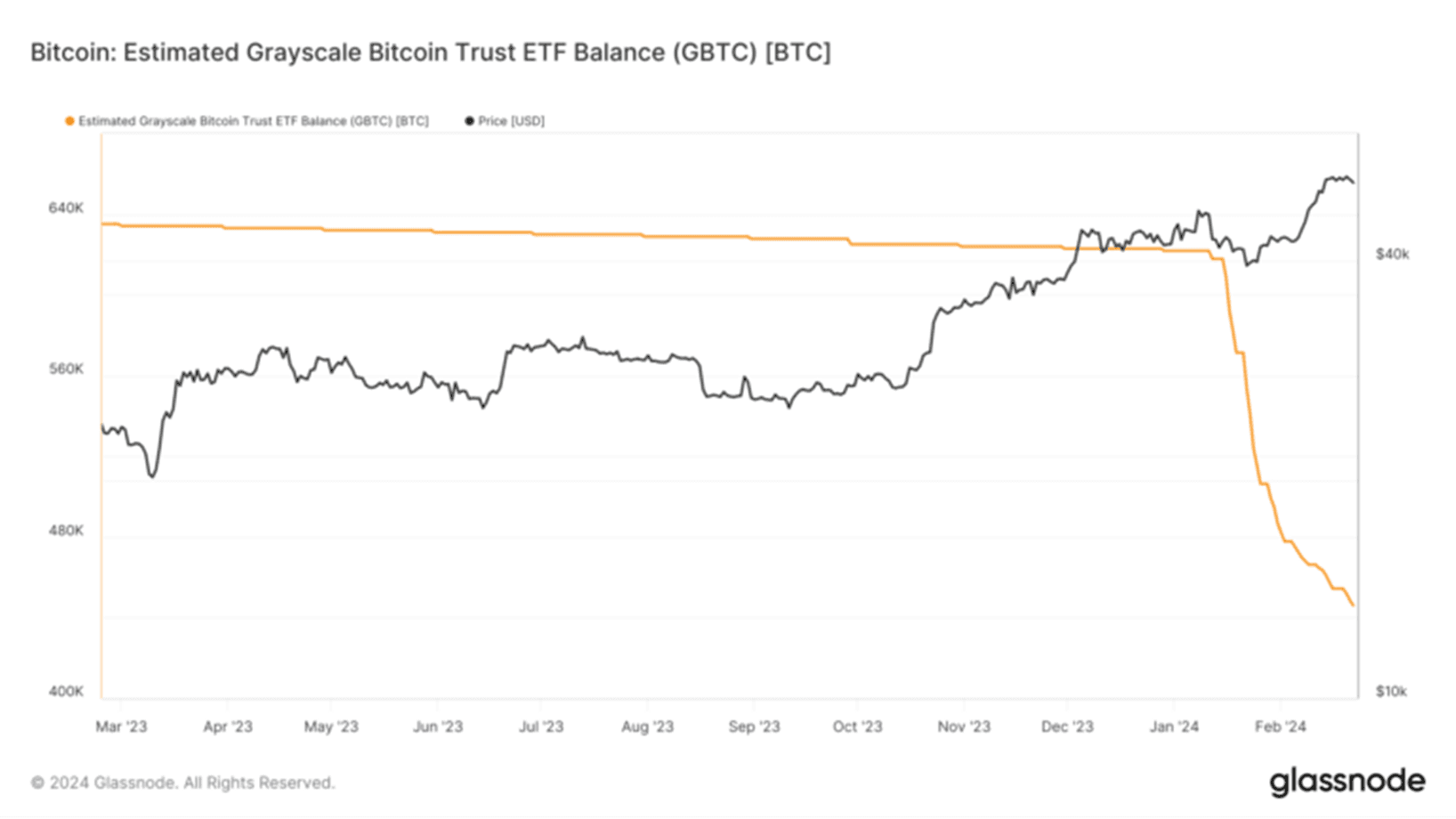
Institutional investors, while generally beneficial to crypto adoption, have also contributed to volatility. Large hedge funds and financial institutions often enter positions quickly during bullish runs but exit just as fast, exacerbating short-term market swings. Recent ETF outflows from IBIT and FBTC, originally perceived as stable investment vehicles, demonstrated this institutional fickleness, intensifying price declines.
Geopolitical & Global Market Impact
The broader macroeconomic and geopolitical landscape also heavily influences crypto markets. Recent U.S. tariff impositions on China, Canada, and Mexico have heightened global economic uncertainty, prompting investors to withdraw from riskier assets like cryptocurrencies. This synchronized market drop, affecting both crypto and traditional equities, underscores the global interconnectedness influencing crypto’s current volatility.
What’s Next? Is the Market Stabilizing?
Bullish Indicators:
Trump's continued crypto support may eventually lead to regulatory clarity, boosting investor confidence.
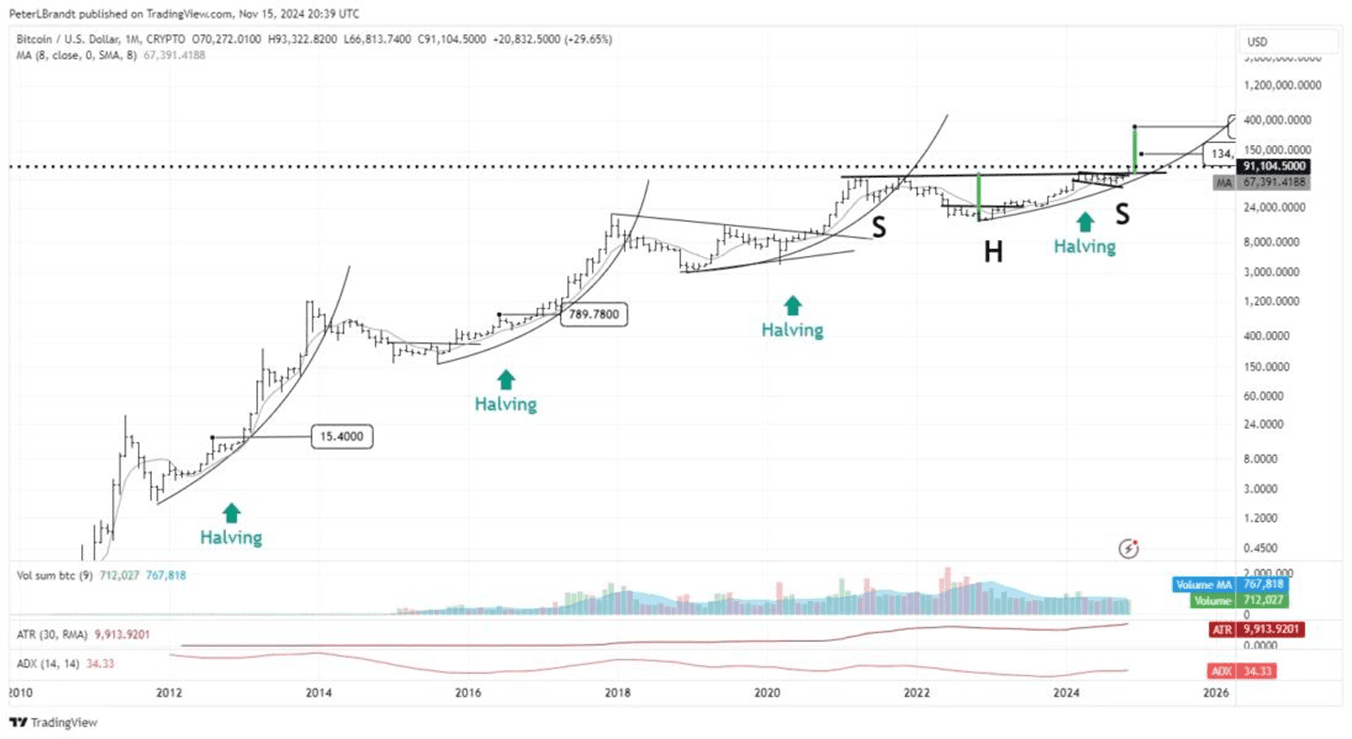
The Bitcoin halving event is approaching, historically associated with bullish price cycles.
Bearish Indicators:
Persistent macroeconomic uncertainty (stagflation concerns, elevated interest rates).
Overheated meme coin markets remain vulnerable, potentially dragging down major crypto assets further.
Key Levels to Watch:
Bitcoin needs to reclaim and hold the psychological $100,000 level for bullish sentiment to return.
Ethereum must convincingly break above $4,000 to reignite investor enthusiasm.
Short-term volatility remains likely, as markets digest the ongoing macroeconomic and regulatory uncertainties. A convincing resolution to regulatory ambiguity or improved macroeconomic indicators would be necessary to catalyze a sustainable market recovery.
Conclusion: Stay Ahead of the Trends
The extreme crypto fluctuations under Trump's presidency result from an intricate combination of speculation, macroeconomic factors, and regulatory developments. Despite short-term volatility, the long-term crypto outlook remains promising if future regulations continue aligning with technological innovation and adoption.
Investors should maintain focus on fundamental developments rather than short-term price swings, avoiding knee-jerk reactions to market volatility. Staying informed and grounded in market analysis will prove essential during this uncertain period.
📢 Stay updated on the latest crypto trends and analysis with CoinCROWD. 🚀
Cryptocurrency markets are known for their volatility, but since Donald Trump took office in January 2025, these fluctuations have reached unprecedented levels. Initially, Trump’s victory was perceived as highly positive for crypto, leading Bitcoin, Ethereum, and meme coins like $TRUMP and Dogecoin to surge to new highs. Bitcoin soared to a remarkable all-time high of $109,588 on the day of Trump's inauguration, reflecting immense market optimism.
However, the euphoria was short-lived. Bitcoin and altcoins quickly began a steady decline, reaching lower lows week after week, now hovering around $80,000-$85,000, with growing fears of further declines.
Even Trump's recent executive order announcing the creation of a strategic Bitcoin reserve for the U.S. has failed to significantly boost the market. Although the order sparked an initial excitement, disappointment quickly set in due to a lack of specific buying strategies and timelines. The move left investors uncertain and hesitant, leading to continued sell-offs.
Rachel Lin, CEO of SynFutures, notes, "The lack of new demand and uncertainty about future government actions are preventing a significant rally."
Why, despite Trump's pro-crypto stance, is the market continuing to swing unpredictably? This article explores the key factors causing extreme market fluctuations during Trump's administration.
The Initial Trump Effect: Why Crypto Surged Post-Election
Trump’s election victory in November 2024 was immediately bullish for cryptocurrencies. He had publicly supported Bitcoin, opposed Central Bank Digital Currencies (CBDCs), and advocated for crypto-friendly regulations. This optimism drove retail and institutional investors into the market, sparking significant buying pressure. Bitcoin soared from around $60,000 pre-election to over $107,000 by early January 2025, propelled by expectations of deregulation and wider adoption.
Further fueling the market were major institutional breakthroughs, particularly the approval of Bitcoin and Ethereum ETFs. This institutional backing boosted confidence, adding billions in fresh capital into the market. Meme coins, notably Trump-themed $TRUMP, surged dramatically as speculative investors sought quick profits.
Post-Surge: Why is Crypto Correcting Now?
Profit-Taking & Market Cycles
After substantial gains, profit-taking by whales and early investors was inevitable. Bitcoin’s peak near $109,588 created an attractive selling opportunity, prompting significant capital withdrawals. Meme coins like $TRUMP and Dogecoin, notorious for pump-and-dump dynamics, experienced severe sell-offs as investors cashed out, deepening market corrections.
Macroeconomic Factors (Inflation & Interest Rates)
High inflation persists, recently printing a Consumer Price Index (CPI) at 3.3%, prompting expectations that the Federal Reserve may keep interest rates elevated. Higher rates reduce market liquidity and encourage capital to flow into safer assets like bonds rather than riskier crypto holdings. This macroeconomic pressure significantly contributes to the current bearish environment.
Regulatory Uncertainty Still Looms
While Trump personally supports crypto, regulatory uncertainty remains. Agencies such as the SEC and the U.S. Treasury haven't clearly aligned with Trump's pro-crypto stance. Ongoing lawsuits, such as Ripple’s battle with the SEC and Coinbase’s regulatory struggles, have created further uncertainty, prompting investor caution.
An example of this regulatory caution was evident when Bitwise filed for a DOGE ETF, initially seen positively, but instead resulted in a 4% price drop due to fears of regulatory delays or rejections.
New Risks and Uncertainties Keeping Prices Volatile
Market Overreaction & Speculation
Meme coins like $TRUMP, BONK, and WIF have brought significant speculative capital into the market. However, these tokens also amplify volatility, as they quickly rise and fall based purely on short-term hype. Such speculation-driven activity contributes significantly to current market instability, with traders constantly shifting focus.
Trump’s Policies Are Still Unclear
Despite Trump's crypto-friendly image, his administration’s actions lack clarity. The executive order establishing a strategic Bitcoin reserve, for example, disappointed investors due to its ambiguity about timing and specific purchasing strategies. Without clear guidelines, investors remain hesitant, and the market swings continue.
Institutional Players Entering & Exiting
Institutional investors, while generally beneficial to crypto adoption, have also contributed to volatility. Large hedge funds and financial institutions often enter positions quickly during bullish runs but exit just as fast, exacerbating short-term market swings. Recent ETF outflows from IBIT and FBTC, originally perceived as stable investment vehicles, demonstrated this institutional fickleness, intensifying price declines.
Geopolitical & Global Market Impact
The broader macroeconomic and geopolitical landscape also heavily influences crypto markets. Recent U.S. tariff impositions on China, Canada, and Mexico have heightened global economic uncertainty, prompting investors to withdraw from riskier assets like cryptocurrencies. This synchronized market drop, affecting both crypto and traditional equities, underscores the global interconnectedness influencing crypto’s current volatility.
What’s Next? Is the Market Stabilizing?
Bullish Indicators:
Trump's continued crypto support may eventually lead to regulatory clarity, boosting investor confidence.
The Bitcoin halving event is approaching, historically associated with bullish price cycles.
Bearish Indicators:
Persistent macroeconomic uncertainty (stagflation concerns, elevated interest rates).
Overheated meme coin markets remain vulnerable, potentially dragging down major crypto assets further.
Key Levels to Watch:
Bitcoin needs to reclaim and hold the psychological $100,000 level for bullish sentiment to return.
Ethereum must convincingly break above $4,000 to reignite investor enthusiasm.
Short-term volatility remains likely, as markets digest the ongoing macroeconomic and regulatory uncertainties. A convincing resolution to regulatory ambiguity or improved macroeconomic indicators would be necessary to catalyze a sustainable market recovery.
Conclusion: Stay Ahead of the Trends
The extreme crypto fluctuations under Trump's presidency result from an intricate combination of speculation, macroeconomic factors, and regulatory developments. Despite short-term volatility, the long-term crypto outlook remains promising if future regulations continue aligning with technological innovation and adoption.
Investors should maintain focus on fundamental developments rather than short-term price swings, avoiding knee-jerk reactions to market volatility. Staying informed and grounded in market analysis will prove essential during this uncertain period.
📢 Stay updated on the latest crypto trends and analysis with CoinCROWD. 🚀
Cryptocurrency markets are known for their volatility, but since Donald Trump took office in January 2025, these fluctuations have reached unprecedented levels. Initially, Trump’s victory was perceived as highly positive for crypto, leading Bitcoin, Ethereum, and meme coins like $TRUMP and Dogecoin to surge to new highs. Bitcoin soared to a remarkable all-time high of $109,588 on the day of Trump's inauguration, reflecting immense market optimism.
However, the euphoria was short-lived. Bitcoin and altcoins quickly began a steady decline, reaching lower lows week after week, now hovering around $80,000-$85,000, with growing fears of further declines.
Even Trump's recent executive order announcing the creation of a strategic Bitcoin reserve for the U.S. has failed to significantly boost the market. Although the order sparked an initial excitement, disappointment quickly set in due to a lack of specific buying strategies and timelines. The move left investors uncertain and hesitant, leading to continued sell-offs.
Rachel Lin, CEO of SynFutures, notes, "The lack of new demand and uncertainty about future government actions are preventing a significant rally."
Why, despite Trump's pro-crypto stance, is the market continuing to swing unpredictably? This article explores the key factors causing extreme market fluctuations during Trump's administration.
The Initial Trump Effect: Why Crypto Surged Post-Election
Trump’s election victory in November 2024 was immediately bullish for cryptocurrencies. He had publicly supported Bitcoin, opposed Central Bank Digital Currencies (CBDCs), and advocated for crypto-friendly regulations. This optimism drove retail and institutional investors into the market, sparking significant buying pressure. Bitcoin soared from around $60,000 pre-election to over $107,000 by early January 2025, propelled by expectations of deregulation and wider adoption.
Further fueling the market were major institutional breakthroughs, particularly the approval of Bitcoin and Ethereum ETFs. This institutional backing boosted confidence, adding billions in fresh capital into the market. Meme coins, notably Trump-themed $TRUMP, surged dramatically as speculative investors sought quick profits.
Post-Surge: Why is Crypto Correcting Now?
Profit-Taking & Market Cycles
After substantial gains, profit-taking by whales and early investors was inevitable. Bitcoin’s peak near $109,588 created an attractive selling opportunity, prompting significant capital withdrawals. Meme coins like $TRUMP and Dogecoin, notorious for pump-and-dump dynamics, experienced severe sell-offs as investors cashed out, deepening market corrections.
Macroeconomic Factors (Inflation & Interest Rates)
High inflation persists, recently printing a Consumer Price Index (CPI) at 3.3%, prompting expectations that the Federal Reserve may keep interest rates elevated. Higher rates reduce market liquidity and encourage capital to flow into safer assets like bonds rather than riskier crypto holdings. This macroeconomic pressure significantly contributes to the current bearish environment.
Regulatory Uncertainty Still Looms
While Trump personally supports crypto, regulatory uncertainty remains. Agencies such as the SEC and the U.S. Treasury haven't clearly aligned with Trump's pro-crypto stance. Ongoing lawsuits, such as Ripple’s battle with the SEC and Coinbase’s regulatory struggles, have created further uncertainty, prompting investor caution.
An example of this regulatory caution was evident when Bitwise filed for a DOGE ETF, initially seen positively, but instead resulted in a 4% price drop due to fears of regulatory delays or rejections.
New Risks and Uncertainties Keeping Prices Volatile
Market Overreaction & Speculation
Meme coins like $TRUMP, BONK, and WIF have brought significant speculative capital into the market. However, these tokens also amplify volatility, as they quickly rise and fall based purely on short-term hype. Such speculation-driven activity contributes significantly to current market instability, with traders constantly shifting focus.
Trump’s Policies Are Still Unclear
Despite Trump's crypto-friendly image, his administration’s actions lack clarity. The executive order establishing a strategic Bitcoin reserve, for example, disappointed investors due to its ambiguity about timing and specific purchasing strategies. Without clear guidelines, investors remain hesitant, and the market swings continue.
Institutional Players Entering & Exiting
Institutional investors, while generally beneficial to crypto adoption, have also contributed to volatility. Large hedge funds and financial institutions often enter positions quickly during bullish runs but exit just as fast, exacerbating short-term market swings. Recent ETF outflows from IBIT and FBTC, originally perceived as stable investment vehicles, demonstrated this institutional fickleness, intensifying price declines.
Geopolitical & Global Market Impact
The broader macroeconomic and geopolitical landscape also heavily influences crypto markets. Recent U.S. tariff impositions on China, Canada, and Mexico have heightened global economic uncertainty, prompting investors to withdraw from riskier assets like cryptocurrencies. This synchronized market drop, affecting both crypto and traditional equities, underscores the global interconnectedness influencing crypto’s current volatility.
What’s Next? Is the Market Stabilizing?
Bullish Indicators:
Trump's continued crypto support may eventually lead to regulatory clarity, boosting investor confidence.
The Bitcoin halving event is approaching, historically associated with bullish price cycles.
Bearish Indicators:
Persistent macroeconomic uncertainty (stagflation concerns, elevated interest rates).
Overheated meme coin markets remain vulnerable, potentially dragging down major crypto assets further.
Key Levels to Watch:
Bitcoin needs to reclaim and hold the psychological $100,000 level for bullish sentiment to return.
Ethereum must convincingly break above $4,000 to reignite investor enthusiasm.
Short-term volatility remains likely, as markets digest the ongoing macroeconomic and regulatory uncertainties. A convincing resolution to regulatory ambiguity or improved macroeconomic indicators would be necessary to catalyze a sustainable market recovery.
Conclusion: Stay Ahead of the Trends
The extreme crypto fluctuations under Trump's presidency result from an intricate combination of speculation, macroeconomic factors, and regulatory developments. Despite short-term volatility, the long-term crypto outlook remains promising if future regulations continue aligning with technological innovation and adoption.
Investors should maintain focus on fundamental developments rather than short-term price swings, avoiding knee-jerk reactions to market volatility. Staying informed and grounded in market analysis will prove essential during this uncertain period.
📢 Stay updated on the latest crypto trends and analysis with CoinCROWD. 🚀

Your ultimate crypto wallet
Join our growing community for exclusive perks!
Your ultimate crypto wallet
Join our growing community for exclusive perks!
Your ultimate crypto wallet
Join our growing community for exclusive perks!
Your ultimate crypto wallet
Join our growing community for exclusive perks!
Your ultimate crypto wallet
Join our growing community for exclusive perks!
Your ultimate crypto wallet
Join our growing community for exclusive perks!