Trump’s ‘Liberation Day’ Tariffs Create Chaos in Markets, Recession Mount
Trump’s ‘Liberation Day’ Tariffs Create Chaos in Markets, Recession Mount
Trump’s ‘Liberation Day’ Tariffs Create Chaos in Markets, Recession Mount
Trump’s ‘Liberation Day’ Tariffs Create Chaos in Markets, Recession Mount
Trump’s ‘Liberation Day’ Tariffs Create Chaos in Markets, Recession Mount
Nidhi Rastogi
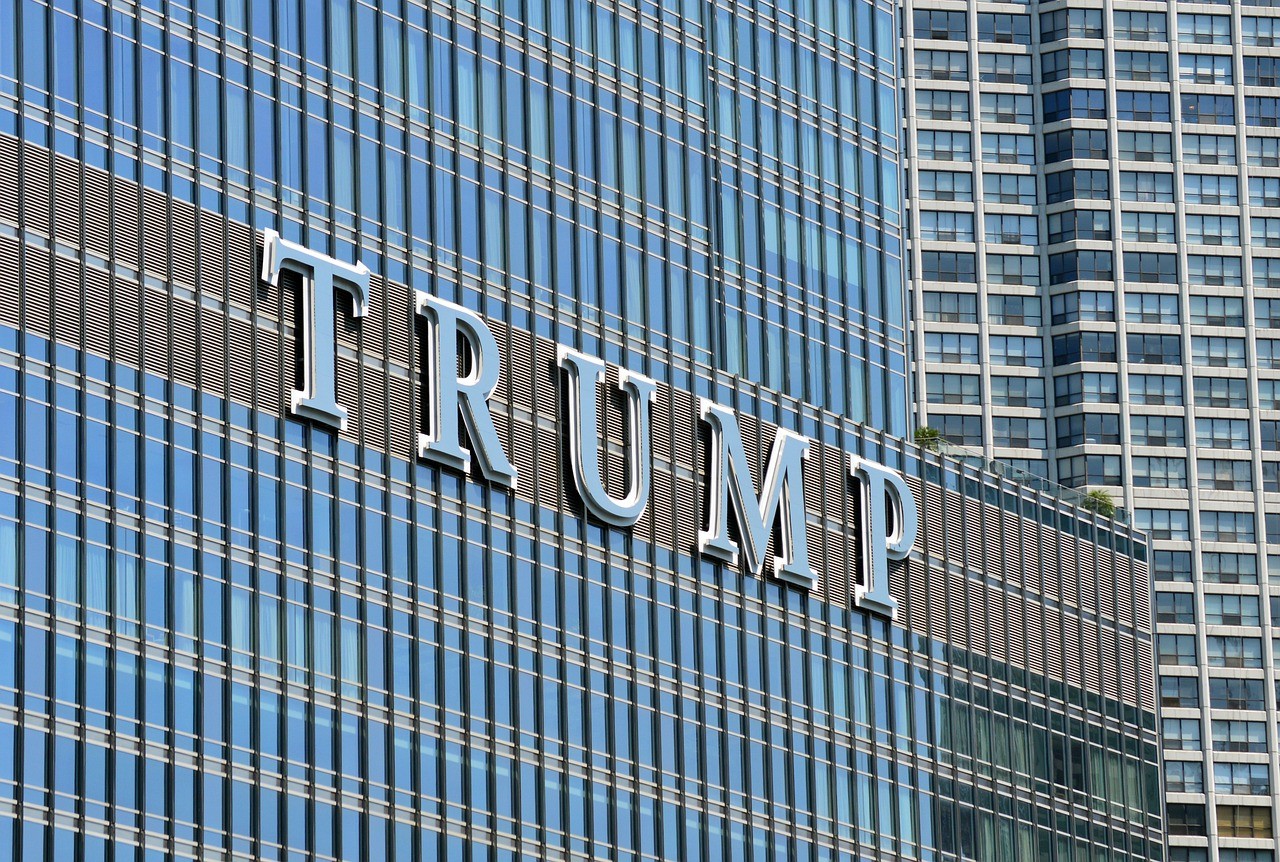
President Donald Trump has dubbed “Liberation Day”—the beginning of sweeping new tariffs aimed at reshaping global trade. Announced with the promise of restoring American industry and reclaiming economic sovereignty, these tariffs were anything but calming to financial markets. Within hours, Wall Street reacted with deep losses, Asian and European markets followed suit, and investors scrambled for safe havens.
But what exactly are these ‘Liberation Day’ tariffs? Are they patriotic protection or an economic powder keg? With global supply chains already fragile and inflation yet to fully cool off, many economists warn these tariffs could tip the U.S. and possibly the global economy into a recession. Let's unpack how this policy shift is causing waves from Wall Street to Main Street.
What Are the ‘Liberation Day’ Tariffs?
A Bold New Economic Doctrine
Trump’s tariffs apply a flat 60% duty on all Chinese imports, including electronics, automobiles, and household goods.
Additional tariffs range between 10-20% on imports from countries labeled as “currency manipulators” or “trade offenders.”
These measures were introduced under the America First Trade Renewal Act, a core part of Trump’s 2024 campaign promise.
Historical Echoes and Modern Risk
This isn’t the first time Trump has leaned on tariffs. His 2018 trade war with China led to strained supply chains and retaliatory measures. But this time, the stakes are higher. The global economy is still healing from the COVID-19 era disruptions and inflationary pressures, making these new policies more dangerous than disruptive.
Immediate Impact on Financial Markets
Wall Street’s Rough Ride
Dow Jones dropped 950 points within hours of the announcement.
The S&P 500 and Nasdaq followed with 3.5% and 4.2% declines respectively.
Tech and manufacturing sectors led the losses, especially companies with strong Chinese supply links like Apple and Tesla.
Global Panic, Dollar Surge
Asian markets tumbled; Shanghai Composite fell 6%, Nikkei 225 lost 4.8%.
The Euro and Yuan dropped against the dollar, signaling a flight to perceived safety.
Gold prices surged by 7%, and oil spiked to $96/barrel amid supply chain disruption fears.
Recession Risks on the Horizon
Supply Chain and Cost Concerns
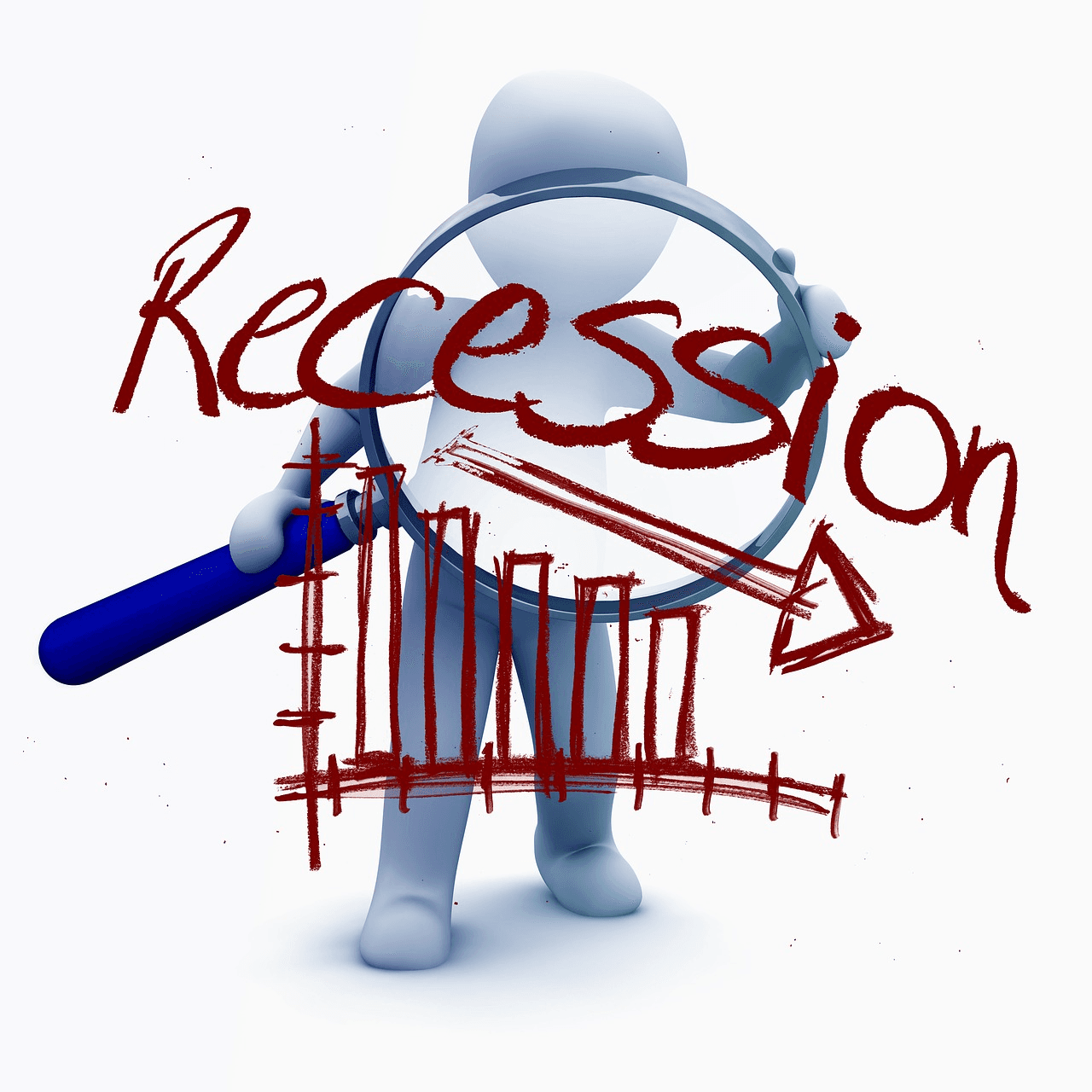
Economists warn that these tariffs may quickly raise prices for American consumers and businesses.
Key concerns include:
Higher import costs: Consumers may face significant price hikes on electronics, clothing, and appliances.
Supply chain delays: Businesses reliant on overseas components are already reporting disruptions.
Manufacturing slowdown: Uncertainty may slow investment and expansion plans.
What the Experts Say
According to a report by Moody’s Analytics:
“The Liberation Day tariffs could cut U.S. GDP growth by 1.2% annually if fully implemented and retaliated against.”
Meanwhile, former Fed Chair Janet Yellen called the move, “an economic blindfold, not a shield,” cautioning that rising costs may force the Fed to halt or even reverse planned interest rate cuts.
Political Optics vs Economic Reality
Nationalism Sells, but at What Price?
Trump’s move plays well with his base, especially among Rust Belt voters who feel left behind by globalization. By branding it ‘Liberation Day,’ he evokes a sense of economic emancipation from foreign dependence.
However, analysts argue this narrative may be short-lived. Already, retailers like Walmart and Target have issued warnings about expected price hikes, and unions have expressed concern over potential job losses if exports decline due to retaliatory tariffs.
How Businesses and Investors Are Reacting
Defensive Moves in Real Time
Retailers are stockpiling goods to delay the impact.
Tech firms are exploring diversification of their supply chains, especially in Southeast Asia.
Investors are rotating into commodities and Treasury bonds.
Consumer Behavior Shifts
Expectations of rising prices are prompting early consumer purchases, similar to pandemic-era panic buying. But unlike a health crisis, this uncertainty has no vaccine—only policy reversal or negotiation can soften its blow.
Conclusion: Crisis or Catalyst?
Trump’s ‘Liberation Day’ tariffs have unleashed more than just a policy shock—they’ve triggered a realignment of expectations, risks, and strategies across the global economic landscape. While the intention to protect American jobs and manufacturing sounds noble, the execution risks creating more economic casualties than victories.
Markets are jittery, consumers are wary, and businesses are bracing for a tough year ahead. As the world watches for China’s retaliatory response, investors and policymakers alike must decide: is this economic nationalism a necessary reset—or the start of a deeper recession?
President Donald Trump has dubbed “Liberation Day”—the beginning of sweeping new tariffs aimed at reshaping global trade. Announced with the promise of restoring American industry and reclaiming economic sovereignty, these tariffs were anything but calming to financial markets. Within hours, Wall Street reacted with deep losses, Asian and European markets followed suit, and investors scrambled for safe havens.
But what exactly are these ‘Liberation Day’ tariffs? Are they patriotic protection or an economic powder keg? With global supply chains already fragile and inflation yet to fully cool off, many economists warn these tariffs could tip the U.S. and possibly the global economy into a recession. Let's unpack how this policy shift is causing waves from Wall Street to Main Street.
What Are the ‘Liberation Day’ Tariffs?
A Bold New Economic Doctrine
Trump’s tariffs apply a flat 60% duty on all Chinese imports, including electronics, automobiles, and household goods.
Additional tariffs range between 10-20% on imports from countries labeled as “currency manipulators” or “trade offenders.”
These measures were introduced under the America First Trade Renewal Act, a core part of Trump’s 2024 campaign promise.
Historical Echoes and Modern Risk
This isn’t the first time Trump has leaned on tariffs. His 2018 trade war with China led to strained supply chains and retaliatory measures. But this time, the stakes are higher. The global economy is still healing from the COVID-19 era disruptions and inflationary pressures, making these new policies more dangerous than disruptive.
Immediate Impact on Financial Markets
Wall Street’s Rough Ride
Dow Jones dropped 950 points within hours of the announcement.
The S&P 500 and Nasdaq followed with 3.5% and 4.2% declines respectively.
Tech and manufacturing sectors led the losses, especially companies with strong Chinese supply links like Apple and Tesla.
Global Panic, Dollar Surge
Asian markets tumbled; Shanghai Composite fell 6%, Nikkei 225 lost 4.8%.
The Euro and Yuan dropped against the dollar, signaling a flight to perceived safety.
Gold prices surged by 7%, and oil spiked to $96/barrel amid supply chain disruption fears.
Recession Risks on the Horizon
Supply Chain and Cost Concerns
Economists warn that these tariffs may quickly raise prices for American consumers and businesses.
Key concerns include:
Higher import costs: Consumers may face significant price hikes on electronics, clothing, and appliances.
Supply chain delays: Businesses reliant on overseas components are already reporting disruptions.
Manufacturing slowdown: Uncertainty may slow investment and expansion plans.
What the Experts Say
According to a report by Moody’s Analytics:
“The Liberation Day tariffs could cut U.S. GDP growth by 1.2% annually if fully implemented and retaliated against.”
Meanwhile, former Fed Chair Janet Yellen called the move, “an economic blindfold, not a shield,” cautioning that rising costs may force the Fed to halt or even reverse planned interest rate cuts.
Political Optics vs Economic Reality
Nationalism Sells, but at What Price?
Trump’s move plays well with his base, especially among Rust Belt voters who feel left behind by globalization. By branding it ‘Liberation Day,’ he evokes a sense of economic emancipation from foreign dependence.
However, analysts argue this narrative may be short-lived. Already, retailers like Walmart and Target have issued warnings about expected price hikes, and unions have expressed concern over potential job losses if exports decline due to retaliatory tariffs.
How Businesses and Investors Are Reacting
Defensive Moves in Real Time
Retailers are stockpiling goods to delay the impact.
Tech firms are exploring diversification of their supply chains, especially in Southeast Asia.
Investors are rotating into commodities and Treasury bonds.
Consumer Behavior Shifts
Expectations of rising prices are prompting early consumer purchases, similar to pandemic-era panic buying. But unlike a health crisis, this uncertainty has no vaccine—only policy reversal or negotiation can soften its blow.
Conclusion: Crisis or Catalyst?
Trump’s ‘Liberation Day’ tariffs have unleashed more than just a policy shock—they’ve triggered a realignment of expectations, risks, and strategies across the global economic landscape. While the intention to protect American jobs and manufacturing sounds noble, the execution risks creating more economic casualties than victories.
Markets are jittery, consumers are wary, and businesses are bracing for a tough year ahead. As the world watches for China’s retaliatory response, investors and policymakers alike must decide: is this economic nationalism a necessary reset—or the start of a deeper recession?
President Donald Trump has dubbed “Liberation Day”—the beginning of sweeping new tariffs aimed at reshaping global trade. Announced with the promise of restoring American industry and reclaiming economic sovereignty, these tariffs were anything but calming to financial markets. Within hours, Wall Street reacted with deep losses, Asian and European markets followed suit, and investors scrambled for safe havens.
But what exactly are these ‘Liberation Day’ tariffs? Are they patriotic protection or an economic powder keg? With global supply chains already fragile and inflation yet to fully cool off, many economists warn these tariffs could tip the U.S. and possibly the global economy into a recession. Let's unpack how this policy shift is causing waves from Wall Street to Main Street.
What Are the ‘Liberation Day’ Tariffs?
A Bold New Economic Doctrine
Trump’s tariffs apply a flat 60% duty on all Chinese imports, including electronics, automobiles, and household goods.
Additional tariffs range between 10-20% on imports from countries labeled as “currency manipulators” or “trade offenders.”
These measures were introduced under the America First Trade Renewal Act, a core part of Trump’s 2024 campaign promise.
Historical Echoes and Modern Risk
This isn’t the first time Trump has leaned on tariffs. His 2018 trade war with China led to strained supply chains and retaliatory measures. But this time, the stakes are higher. The global economy is still healing from the COVID-19 era disruptions and inflationary pressures, making these new policies more dangerous than disruptive.
Immediate Impact on Financial Markets
Wall Street’s Rough Ride
Dow Jones dropped 950 points within hours of the announcement.
The S&P 500 and Nasdaq followed with 3.5% and 4.2% declines respectively.
Tech and manufacturing sectors led the losses, especially companies with strong Chinese supply links like Apple and Tesla.
Global Panic, Dollar Surge
Asian markets tumbled; Shanghai Composite fell 6%, Nikkei 225 lost 4.8%.
The Euro and Yuan dropped against the dollar, signaling a flight to perceived safety.
Gold prices surged by 7%, and oil spiked to $96/barrel amid supply chain disruption fears.
Recession Risks on the Horizon
Supply Chain and Cost Concerns
Economists warn that these tariffs may quickly raise prices for American consumers and businesses.
Key concerns include:
Higher import costs: Consumers may face significant price hikes on electronics, clothing, and appliances.
Supply chain delays: Businesses reliant on overseas components are already reporting disruptions.
Manufacturing slowdown: Uncertainty may slow investment and expansion plans.
What the Experts Say
According to a report by Moody’s Analytics:
“The Liberation Day tariffs could cut U.S. GDP growth by 1.2% annually if fully implemented and retaliated against.”
Meanwhile, former Fed Chair Janet Yellen called the move, “an economic blindfold, not a shield,” cautioning that rising costs may force the Fed to halt or even reverse planned interest rate cuts.
Political Optics vs Economic Reality
Nationalism Sells, but at What Price?
Trump’s move plays well with his base, especially among Rust Belt voters who feel left behind by globalization. By branding it ‘Liberation Day,’ he evokes a sense of economic emancipation from foreign dependence.
However, analysts argue this narrative may be short-lived. Already, retailers like Walmart and Target have issued warnings about expected price hikes, and unions have expressed concern over potential job losses if exports decline due to retaliatory tariffs.
How Businesses and Investors Are Reacting
Defensive Moves in Real Time
Retailers are stockpiling goods to delay the impact.
Tech firms are exploring diversification of their supply chains, especially in Southeast Asia.
Investors are rotating into commodities and Treasury bonds.
Consumer Behavior Shifts
Expectations of rising prices are prompting early consumer purchases, similar to pandemic-era panic buying. But unlike a health crisis, this uncertainty has no vaccine—only policy reversal or negotiation can soften its blow.
Conclusion: Crisis or Catalyst?
Trump’s ‘Liberation Day’ tariffs have unleashed more than just a policy shock—they’ve triggered a realignment of expectations, risks, and strategies across the global economic landscape. While the intention to protect American jobs and manufacturing sounds noble, the execution risks creating more economic casualties than victories.
Markets are jittery, consumers are wary, and businesses are bracing for a tough year ahead. As the world watches for China’s retaliatory response, investors and policymakers alike must decide: is this economic nationalism a necessary reset—or the start of a deeper recession?

Your ultimate crypto wallet
Join our growing community for exclusive perks!
Your ultimate crypto wallet
Join our growing community for exclusive perks!
Your ultimate crypto wallet
Join our growing community for exclusive perks!
Your ultimate crypto wallet
Join our growing community for exclusive perks!
Your ultimate crypto wallet
Join our growing community for exclusive perks!
Your ultimate crypto wallet
Join our growing community for exclusive perks!