Who Is Satoshi Nakamoto? Unmasking the Enigma Behind Bitcoin’s Creator
Who Is Satoshi Nakamoto? Unmasking the Enigma Behind Bitcoin’s Creator
Who Is Satoshi Nakamoto? Unmasking the Enigma Behind Bitcoin’s Creator
Who Is Satoshi Nakamoto? Unmasking the Enigma Behind Bitcoin’s Creator
Who Is Satoshi Nakamoto? Unmasking the Enigma Behind Bitcoin’s Creator
Nidhi Rastogi
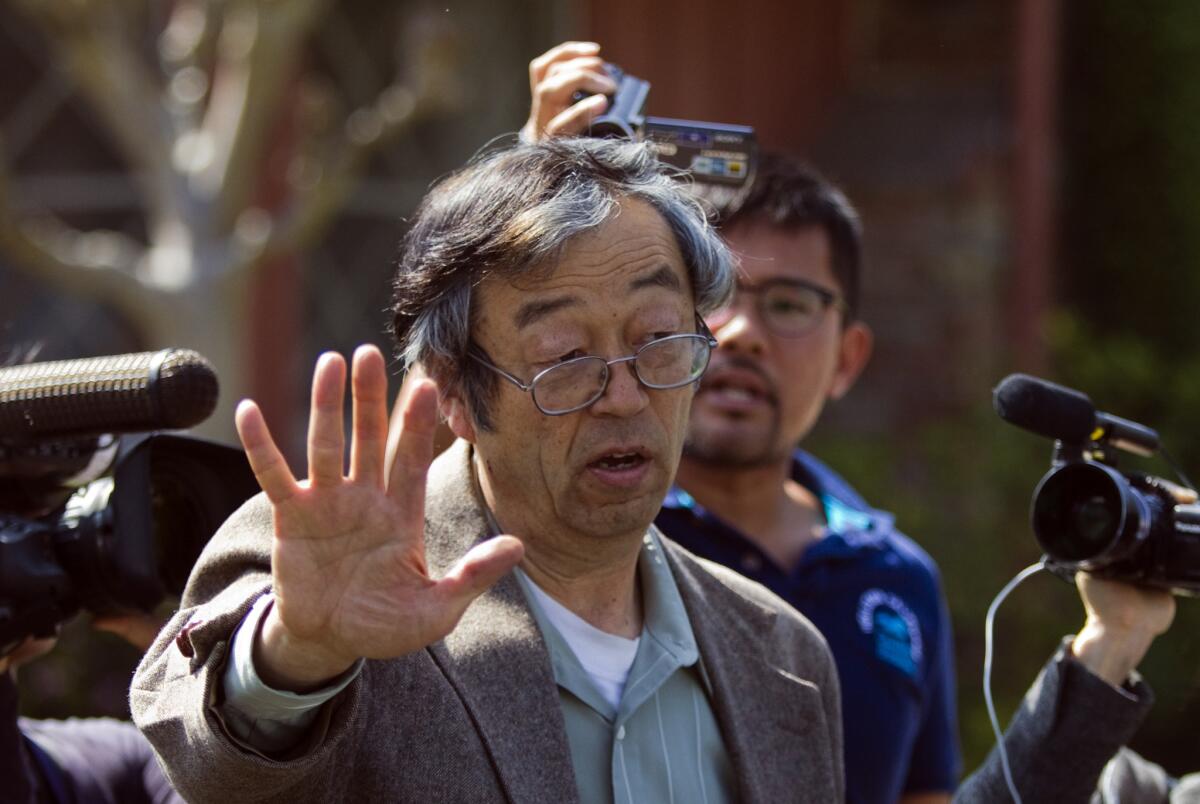
Satoshi Nakamoto, the pseudonymous creator of Bitcoin, remains one of the greatest mysteries in the digital currency world. Since the release of the Bitcoin whitepaper in 2008, the quest to uncover Nakamoto's true identity has fascinated both enthusiasts and skeptics alike. This blog delves into the various theories, evidence, and implications surrounding Satoshi Nakamoto, providing a comprehensive overview of this enigma.
Understanding who Satoshi is not only sheds light on the origins of Bitcoin but also on the future of cryptocurrency itself.
The Birth of Bitcoin
The Whitepaper
In October 2008, Satoshi Nakamoto published the Bitcoin whitepaper titled "Bitcoin: A Peer-to-Peer Electronic Cash System." This document outlined a decentralized digital currency that aimed to enable peer-to-peer transactions without the need for a trusted third party.
Key Features of Bitcoin:
Decentralization
Anonymity
Security through cryptography
The launch of Bitcoin in January 2009 marked the beginning of a new financial era, challenging traditional banking systems.
The First Block
Nakamoto mined the first block of Bitcoin, known as the "Genesis Block," on January 3, 2009. This block contained a hidden message referencing a newspaper headline about bank bailouts, underscoring Bitcoin's anti-establishment ethos.
Theories Surrounding Satoshi’s Identity
Individual vs. Group
One of the most debated topics is whether Satoshi Nakamoto is an individual or a group of people. Some believe that the complexity of the Bitcoin code and the sophistication of its economic principles suggest a collaborative effort.
Prominent Theories
Hal Finney: A computer scientist and the first person to receive a Bitcoin transaction from Nakamoto.
Nick Szabo: A cryptographer known for his work on digital contracts and a precursor to Bitcoin called "bit gold."
Craig Wright: An Australian businessman who claims to be Nakamoto but has not provided definitive proof.
Evidence and Arguments
While many theories exist, concrete evidence linking any individual to Satoshi remains elusive.
Writing Style Analysis: Linguistic analysis of Nakamoto's writings suggests a background in computer science and economics.
Technical Expertise: The Bitcoin code reflects a deep understanding of cryptography and peer-to-peer networking.
The Impact of Satoshi’s Identity
Influence on Bitcoin’s Development
Satoshi Nakamoto's disappearance in 2010 left a significant void in Bitcoin's community. However, this absence allowed the decentralized nature of Bitcoin to flourish, leading to the establishment of a robust ecosystem.
Decentralization: The lack of a single leader promotes innovation and resilience.
Community-Driven Development: Developers worldwide contribute to Bitcoin's ongoing improvement.
Legal and Financial Implications
The mystery surrounding Satoshi has led to various legal and financial implications, particularly regarding Nakamoto's estimated one million Bitcoins, which remain untouched.
Market Speculation: Speculation about Nakamoto's identity can influence Bitcoin's price.
Legal Challenges: Potential claims to Nakamoto's Bitcoins could lead to legal disputes.
Conclusion
The quest to uncover Satoshi Nakamoto's true identity continues to intrigue and perplex. While theories abound, the lack of definitive proof keeps the mystery alive. Understanding Nakamoto's role and the implications of their anonymity is crucial for grasping Bitcoin's evolution and future potential. As we navigate the ever-changing landscape of cryptocurrency, the question remains: will we ever unmask the enigmatic figure behind Bitcoin?
If you’re intrigued by the world of cryptocurrency, consider exploring more about Bitcoin and its transformative potential. Join the conversation and share your thoughts on who you believe Satoshi Nakamoto truly is.
Sources
Nakamoto, S. (2008). Bitcoin: A Peer-to-Peer Electronic Cash System. Retrieved from Bitcoin.org
Finney, H. (2009). The First Bitcoin Transaction. Retrieved from CoinDesk
Szabo, N. (1998). Bit Gold. Retrieved from NickSzabo.com
Wright, C. (2016). I Am Satoshi: The Real Identity of Bitcoin's Creator. Retrieved from Fortune
Nakamoto, S. (2014). The Future of Bitcoin. Retrieved from Bitcoin Magazine
Satoshi Nakamoto, the pseudonymous creator of Bitcoin, remains one of the greatest mysteries in the digital currency world. Since the release of the Bitcoin whitepaper in 2008, the quest to uncover Nakamoto's true identity has fascinated both enthusiasts and skeptics alike. This blog delves into the various theories, evidence, and implications surrounding Satoshi Nakamoto, providing a comprehensive overview of this enigma.
Understanding who Satoshi is not only sheds light on the origins of Bitcoin but also on the future of cryptocurrency itself.
The Birth of Bitcoin
The Whitepaper
In October 2008, Satoshi Nakamoto published the Bitcoin whitepaper titled "Bitcoin: A Peer-to-Peer Electronic Cash System." This document outlined a decentralized digital currency that aimed to enable peer-to-peer transactions without the need for a trusted third party.
Key Features of Bitcoin:
Decentralization
Anonymity
Security through cryptography
The launch of Bitcoin in January 2009 marked the beginning of a new financial era, challenging traditional banking systems.
The First Block
Nakamoto mined the first block of Bitcoin, known as the "Genesis Block," on January 3, 2009. This block contained a hidden message referencing a newspaper headline about bank bailouts, underscoring Bitcoin's anti-establishment ethos.
Theories Surrounding Satoshi’s Identity
Individual vs. Group
One of the most debated topics is whether Satoshi Nakamoto is an individual or a group of people. Some believe that the complexity of the Bitcoin code and the sophistication of its economic principles suggest a collaborative effort.
Prominent Theories
Hal Finney: A computer scientist and the first person to receive a Bitcoin transaction from Nakamoto.
Nick Szabo: A cryptographer known for his work on digital contracts and a precursor to Bitcoin called "bit gold."
Craig Wright: An Australian businessman who claims to be Nakamoto but has not provided definitive proof.
Evidence and Arguments
While many theories exist, concrete evidence linking any individual to Satoshi remains elusive.
Writing Style Analysis: Linguistic analysis of Nakamoto's writings suggests a background in computer science and economics.
Technical Expertise: The Bitcoin code reflects a deep understanding of cryptography and peer-to-peer networking.
The Impact of Satoshi’s Identity
Influence on Bitcoin’s Development
Satoshi Nakamoto's disappearance in 2010 left a significant void in Bitcoin's community. However, this absence allowed the decentralized nature of Bitcoin to flourish, leading to the establishment of a robust ecosystem.
Decentralization: The lack of a single leader promotes innovation and resilience.
Community-Driven Development: Developers worldwide contribute to Bitcoin's ongoing improvement.
Legal and Financial Implications
The mystery surrounding Satoshi has led to various legal and financial implications, particularly regarding Nakamoto's estimated one million Bitcoins, which remain untouched.
Market Speculation: Speculation about Nakamoto's identity can influence Bitcoin's price.
Legal Challenges: Potential claims to Nakamoto's Bitcoins could lead to legal disputes.
Conclusion
The quest to uncover Satoshi Nakamoto's true identity continues to intrigue and perplex. While theories abound, the lack of definitive proof keeps the mystery alive. Understanding Nakamoto's role and the implications of their anonymity is crucial for grasping Bitcoin's evolution and future potential. As we navigate the ever-changing landscape of cryptocurrency, the question remains: will we ever unmask the enigmatic figure behind Bitcoin?
If you’re intrigued by the world of cryptocurrency, consider exploring more about Bitcoin and its transformative potential. Join the conversation and share your thoughts on who you believe Satoshi Nakamoto truly is.
Sources
Nakamoto, S. (2008). Bitcoin: A Peer-to-Peer Electronic Cash System. Retrieved from Bitcoin.org
Finney, H. (2009). The First Bitcoin Transaction. Retrieved from CoinDesk
Szabo, N. (1998). Bit Gold. Retrieved from NickSzabo.com
Wright, C. (2016). I Am Satoshi: The Real Identity of Bitcoin's Creator. Retrieved from Fortune
Nakamoto, S. (2014). The Future of Bitcoin. Retrieved from Bitcoin Magazine
Satoshi Nakamoto, the pseudonymous creator of Bitcoin, remains one of the greatest mysteries in the digital currency world. Since the release of the Bitcoin whitepaper in 2008, the quest to uncover Nakamoto's true identity has fascinated both enthusiasts and skeptics alike. This blog delves into the various theories, evidence, and implications surrounding Satoshi Nakamoto, providing a comprehensive overview of this enigma.
Understanding who Satoshi is not only sheds light on the origins of Bitcoin but also on the future of cryptocurrency itself.
The Birth of Bitcoin
The Whitepaper
In October 2008, Satoshi Nakamoto published the Bitcoin whitepaper titled "Bitcoin: A Peer-to-Peer Electronic Cash System." This document outlined a decentralized digital currency that aimed to enable peer-to-peer transactions without the need for a trusted third party.
Key Features of Bitcoin:
Decentralization
Anonymity
Security through cryptography
The launch of Bitcoin in January 2009 marked the beginning of a new financial era, challenging traditional banking systems.
The First Block
Nakamoto mined the first block of Bitcoin, known as the "Genesis Block," on January 3, 2009. This block contained a hidden message referencing a newspaper headline about bank bailouts, underscoring Bitcoin's anti-establishment ethos.
Theories Surrounding Satoshi’s Identity
Individual vs. Group
One of the most debated topics is whether Satoshi Nakamoto is an individual or a group of people. Some believe that the complexity of the Bitcoin code and the sophistication of its economic principles suggest a collaborative effort.
Prominent Theories
Hal Finney: A computer scientist and the first person to receive a Bitcoin transaction from Nakamoto.
Nick Szabo: A cryptographer known for his work on digital contracts and a precursor to Bitcoin called "bit gold."
Craig Wright: An Australian businessman who claims to be Nakamoto but has not provided definitive proof.
Evidence and Arguments
While many theories exist, concrete evidence linking any individual to Satoshi remains elusive.
Writing Style Analysis: Linguistic analysis of Nakamoto's writings suggests a background in computer science and economics.
Technical Expertise: The Bitcoin code reflects a deep understanding of cryptography and peer-to-peer networking.
The Impact of Satoshi’s Identity
Influence on Bitcoin’s Development
Satoshi Nakamoto's disappearance in 2010 left a significant void in Bitcoin's community. However, this absence allowed the decentralized nature of Bitcoin to flourish, leading to the establishment of a robust ecosystem.
Decentralization: The lack of a single leader promotes innovation and resilience.
Community-Driven Development: Developers worldwide contribute to Bitcoin's ongoing improvement.
Legal and Financial Implications
The mystery surrounding Satoshi has led to various legal and financial implications, particularly regarding Nakamoto's estimated one million Bitcoins, which remain untouched.
Market Speculation: Speculation about Nakamoto's identity can influence Bitcoin's price.
Legal Challenges: Potential claims to Nakamoto's Bitcoins could lead to legal disputes.
Conclusion
The quest to uncover Satoshi Nakamoto's true identity continues to intrigue and perplex. While theories abound, the lack of definitive proof keeps the mystery alive. Understanding Nakamoto's role and the implications of their anonymity is crucial for grasping Bitcoin's evolution and future potential. As we navigate the ever-changing landscape of cryptocurrency, the question remains: will we ever unmask the enigmatic figure behind Bitcoin?
If you’re intrigued by the world of cryptocurrency, consider exploring more about Bitcoin and its transformative potential. Join the conversation and share your thoughts on who you believe Satoshi Nakamoto truly is.
Sources
Nakamoto, S. (2008). Bitcoin: A Peer-to-Peer Electronic Cash System. Retrieved from Bitcoin.org
Finney, H. (2009). The First Bitcoin Transaction. Retrieved from CoinDesk
Szabo, N. (1998). Bit Gold. Retrieved from NickSzabo.com
Wright, C. (2016). I Am Satoshi: The Real Identity of Bitcoin's Creator. Retrieved from Fortune
Nakamoto, S. (2014). The Future of Bitcoin. Retrieved from Bitcoin Magazine

Your ultimate crypto wallet
Join our growing community for exclusive perks!
Your ultimate crypto wallet
Join our growing community for exclusive perks!
Your ultimate crypto wallet
Join our growing community for exclusive perks!
Your ultimate crypto wallet
Join our growing community for exclusive perks!
Your ultimate crypto wallet
Join our growing community for exclusive perks!
Your ultimate crypto wallet
Join our growing community for exclusive perks!